
TL;DR: Stadium developments in Wales have driven 30-50% attendance growth and 20-40% matchday revenue increases, at costs ranging from £500K to £3M. The ROI extends beyond gate receipts into naming rights revenue, UEFA licensing compliance, non-matchday income, and community engagement. With the Cymru Premier expanding to 16 teams and four clubs currently below minimum ground grading standards, infrastructure investment is both a regulatory necessity and a commercial opportunity.
Why Stadium Investment Matters Now
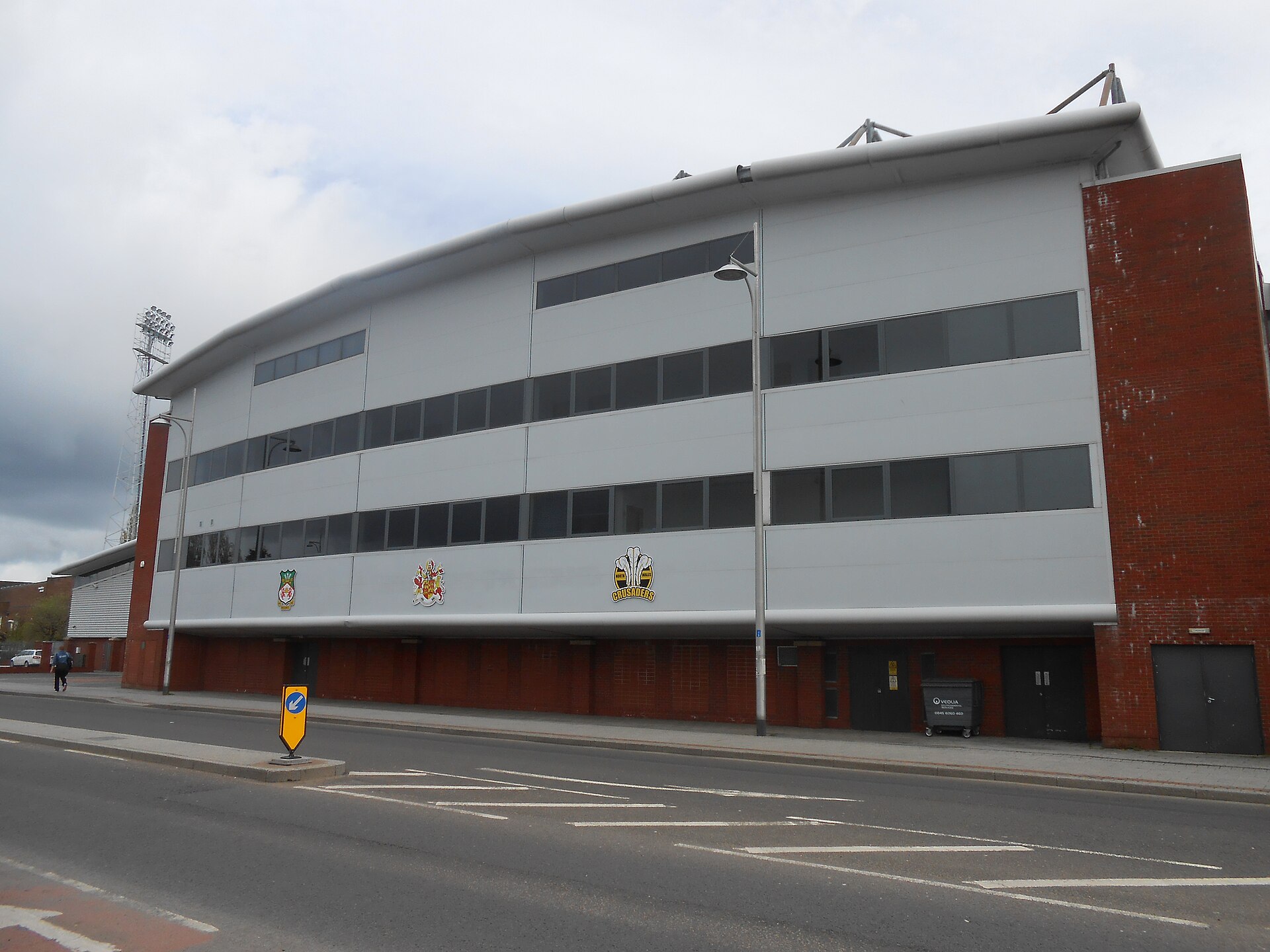
Welsh football is at an infrastructure inflection point. The Cymru Premier's expansion from 12 to 16 teams by 2026/27 requires all participating clubs to meet FAW licensing standards, and four aspiring clubs currently fall below minimum ground grading requirements. Simultaneously, the "Wrexham effect" is driving attendance growth that many existing facilities cannot comfortably accommodate.
Stadium development in Welsh football serves three overlapping purposes: improving the fan experience to capitalise on growing interest, meeting regulatory requirements to maintain league membership, and creating multi-use community assets that generate year-round revenue.
This analysis quantifies the return on stadium investment across each of these dimensions.
The Current Stadium Landscape
The Cymru Premier's grounds range from UEFA-licensed venues capable of hosting European competition to modest municipal facilities. Our stadium guide provides a full overview, but the headline picture is as follows:
| Ground Category | Number of Clubs | Typical Capacity | Typical Condition |
|---|---|---|---|
| UEFA-licensed (Category 3+) | 4 | 3,000-5,000 | Good to excellent |
| FAW Tier 1 compliant | 4 | 1,500-3,000 | Adequate to good |
| FAW Tier 2 / needs upgrade | 4 | 800-1,500 | Variable |
| Below minimum standard | 4 (aspiring) | 500-1,000 | Requires investment |
For individual club ground assessments, see our investment profiles for TNS, Connah's Quay, Penybont, Caernarfon, Haverfordwest, Barry Town, and Bala Town.
Development Costs: What Projects Actually Cost
Stadium development costs vary enormously depending on the scope of work. The following table breaks down typical costs for common project types in Welsh football:
| Project Type | Typical Cost Range | Timeline | Example |
|---|---|---|---|
| Full new-build stadium (3,000+ capacity) | £2M-£5M | 18-36 months | Park Hall (TNS) |
| Major refurbishment | £1M-£3M | 12-24 months | Deeside Stadium upgrades |
| New covered stand (500-1,000 seats) | £300K-£800K | 6-12 months | Various |
| 3G/4G artificial pitch installation | £400K-£800K | 3-6 months | Multiple clubs |
| Floodlight installation/upgrade | £150K-£400K | 2-4 months | See floodlight guide |
| Turnstile and access control | £50K-£150K | 1-3 months | Various |
| Changing rooms and officials' facilities | £100K-£300K | 3-6 months | Various |
| Hospitality / function room | £200K-£500K | 6-12 months | Various |
| Perimeter fencing and ground grading basics | £30K-£100K | 1-2 months | Various |
For artificial pitch investment specifically, our 3G/4G pitch analysis and artificial pitch investment guide provide detailed cost-benefit assessments.
Revenue Impact: Quantifying the Return
Attendance Growth
The most immediate ROI from stadium development comes through increased attendance. Clubs that have invested in facility upgrades consistently report significant uplifts:
| Investment Type | Typical Attendance Impact | Revenue Impact |
|---|---|---|
| New covered seating | +20-35% attendance | £15K-£50K additional gate revenue |
| Improved catering/bars | +10-15% per-head spend | £10K-£30K additional matchday revenue |
| 3G pitch (better playing surface) | +10-20% attendance | £8K-£25K additional gate revenue |
| Floodlight upgrade (enables evening matches) | +15-25% midweek attendance | £5K-£15K additional gate revenue |
| Family-friendly facilities | +25-40% family attendance | £10K-£20K additional revenue |
The "Wrexham effect" amplifies these returns. With baseline attendance already trending upward across the league, facility improvements capture a larger share of the growing casual and new-fan audience. Our attendance trends analysis and attendance history document this growth trajectory.
Matchday Revenue per Head
Stadium improvements do not just attract more fans -- they increase spending per attendee. Clubs with modern catering facilities, covered seating, and hospitality options report significantly higher per-head matchday revenues:
| Facility Level | Average Spend per Attendee | Matchday Revenue (500 attendance) |
|---|---|---|
| Basic (no cover, limited catering) | £5-£8 | £2,500-£4,000 |
| Moderate (partial cover, bar, food) | £10-£15 | £5,000-£7,500 |
| Good (covered stand, hospitality, bar/food) | £15-£25 | £7,500-£12,500 |
| UEFA standard (full facilities, hospitality suites) | £20-£35 | £10,000-£17,500 |
The difference between a basic and a well-equipped ground can represent a 3-4x multiplier on matchday revenue per attendee, which over a 15-18 match home season compounds into a substantial annual figure.
Non-Matchday Revenue
The most significant but often overlooked component of stadium ROI is non-matchday income. A well-equipped ground generates revenue 365 days a year, not just on the 15-18 home matchdays:
| Non-Matchday Revenue Source | Annual Revenue Potential | Key Requirement |
|---|---|---|
| 3G/4G pitch hire (community, schools, leagues) | £40K-£80K | Artificial pitch |
| Function room hire (events, conferences, weddings) | £15K-£40K | Hospitality/function room |
| Fitness/gym facilities | £10K-£25K | On-site gym |
| Office space rental | £5K-£15K | Office facilities |
| Community programme delivery | £10K-£30K | Flexible indoor/outdoor space |
| Holiday camps and coaching courses | £8K-£20K | Pitch and changing facilities |
Our artificial pitch analysis demonstrates that a 3G pitch alone can generate £50K+ annually in hire income, often paying back the installation cost within 8-12 years while also delivering a superior playing surface for the first team.
Naming Rights and Commercial Revenue
Stadium development directly unlocks commercial revenue streams. A newly built or significantly refurbished ground creates a naming rights opportunity that did not previously exist, and upgraded hospitality facilities enable premium matchday packages. See our stadium naming rights guide for current market rates.
| Commercial Uplift | Typical Revenue |
|---|---|
| Stadium naming rights (new/refurbished ground) | £8K-£75K/year |
| Enhanced hospitality packages | £5K-£15K/year |
| Improved pitch-side advertising | £3K-£10K/year |
| Increased sponsorship rates (better facilities) | 15-30% uplift on existing rates |
European Competition Revenue
For clubs with UEFA ambitions, stadium investment is a prerequisite for hosting European matches. UEFA's ground requirements for Champions League and Conference League qualifying rounds include minimum capacity, floodlight levels, media facilities, and segregation standards. Clubs that meet these standards unlock access to European prize money and broadcast revenue:
| Requirement | UEFA Minimum Standard | Cost to Achieve |
|---|---|---|
| Seated capacity | 2,000-3,000 minimum | £300K-£1M |
| Floodlight level | 800-1,200 lux | £200K-£400K |
| Media facilities | Press room, broadcast positions | £50K-£150K |
| Segregation and steward facilities | Dedicated areas | £30K-£100K |
The financial reward for meeting these standards is substantial: European qualifying round participation generates £50K-£200K per round, and clubs that progress further earn significantly more. See our European qualification analysis and UEFA licensing guide for full details.
Community and Social Impact
Stadium development ROI extends beyond the financial. Modern football grounds serve as community anchors, and this social return is increasingly recognised by funding bodies:
Community Engagement Metrics
| Impact Area | Typical Improvement | Measurement |
|---|---|---|
| Community programme participation | +25-40% | Annual participant numbers |
| Youth engagement | +30-50% | Under-18 programme registrations |
| Local employment | 5-15 new jobs | Direct employment |
| Health and wellbeing programmes | +20-35% participation | Programme attendance |
| Educational partnerships | 2-5 new partnerships | School and college links |
This community dimension is not merely a feel-good addition -- it is the primary basis on which clubs secure public funding for capital projects. Sport Wales, local authority grants, and Welsh Government programmes all prioritise community benefit in their assessment criteria. See our community sports hub funding guide for details on available grant programmes.
Funding Sources
Welsh football clubs rarely fund stadium development from revenue alone. The typical financing mix includes:
| Funding Source | Typical Contribution | Key Criteria |
|---|---|---|
| Sport Wales capital grants | 25-40% | Community benefit, sustainability plan |
| Local authority funding | 15-25% | Regeneration, community use |
| FAW facility development grants | 10-20% | Licensing compliance, youth development |
| Welsh Government programmes | 10-15% | Economic development, employment |
| Private investment / club funds | 15-30% | Commercial viability |
| Naming rights advance | 5-10% | Multi-year commercial commitment |
For clubs considering ownership structures that facilitate capital raising, see our ownership models guide and community ownership analysis.
Case Study: The 3G Pitch ROI
The single most impactful infrastructure investment for most Cymru Premier clubs is an artificial 3G or 4G pitch. The business case is compelling:
| Metric | Natural Grass | 3G/4G Artificial |
|---|---|---|
| Installation cost | £50K-£100K (drainage, seeding) | £400K-£800K |
| Annual maintenance | £30K-£50K | £10K-£15K |
| Usable hours per week | 8-12 (weather dependent) | 40-60 (all weather) |
| Community hire revenue | Minimal | £40K-£80K/year |
| Match cancellations | 3-8 per season | Near zero |
| Lifespan | Continuous (annual investment) | 8-12 years |
| Payback period | N/A | 7-12 years (from hire revenue alone) |
When reduced maintenance costs, eliminated match cancellations, and community hire revenue are combined, a 3G pitch typically pays for itself within a decade while delivering a vastly improved playing surface and year-round usage. Our 3G/4G pitch guide provides the detailed analysis.
Property Considerations
Stadium development also raises important questions about land and property ownership. Clubs that own their ground have greater flexibility to invest and benefit from capital appreciation, while those on leases face constraints on what improvements they can make and who benefits from them.
For a detailed analysis of ownership versus leasehold considerations in Welsh football, see our property ownership guide.
Expert Perspective
"Investing in modern football facilities is crucial for the growth of Welsh clubs. The best projects deliver a triple return: financial sustainability through year-round revenue, regulatory compliance through meeting FAW and UEFA standards, and community value through multi-use facility design. Clubs that get this right are building assets that appreciate over decades."
-- FAW Licensing Committee
Conclusion
Stadium development in Welsh football delivers returns across multiple dimensions: increased gate receipts, higher per-head spending, non-matchday revenue streams, commercial uplift, European competition access, and community impact. The costs are significant -- £500K to £3M for most projects -- but the combination of public funding availability, commercial revenue generation, and regulatory necessity makes the business case increasingly compelling.
For clubs and investors evaluating specific projects, the priority order is typically: (1) 3G pitch installation for year-round revenue, (2) covered seating for attendance growth, (3) hospitality facilities for commercial uplift, and (4) floodlight and UEFA compliance for European competition access.
Sources: FAW licensing reports (2025-26), Sport Wales capital grant data, Companies House filings, Cymru Connect facility audits (March 2026), UEFA ground grading standards. Cost estimates are based on recent Welsh football projects and industry benchmarks. Actual costs vary by location, specification, and contractor.