TL;DR: In February 2021, Ryan Reynolds and Rob McElhenney completed the purchase of Wrexham AFC for £2 million. Five years later, the club has achieved back-to-back promotions from the National League to League One, the Racecourse Ground is being renovated toward 15,000 capacity, Wrexham's shirt sponsorship is worth an estimated ten times its pre-acquisition value, and Welsh football — as a category — has attracted more international investor attention than at any point in its 160-year history. The "Wrexham effect" describes what happened next: a rising tide that lifted every club in the Welsh pyramid, generated measurable economic benefits for a post-industrial town, and opened a genuine investment window across the Cymru Premier that has not yet closed. This is the complete story.
October 2020. Wrexham, North Wales. A market town of 136,000 people that had watched its coal mines close, its steel works fall silent, and its football club — the oldest affiliated association football club in the world, founded in 1864 — slide out of the Football League after 87 continuous years of membership, into the non-league wilderness where it had remained for fifteen years. The club was owned by its supporters, who had voted to take it into community ownership in 2011 after a succession of failed private owners left it bankrupt. They had kept it alive, through fundraising and voluntarism and sheer attachment, without being able to give it the resources to climb back.
Then an actor called Rob McElhenney, creator of It's Always Sunny in Philadelphia, watched a film about the supporters' trust and thought: what if? He called Ryan Reynolds. Reynolds, then best known for Deadpool and Aviation Gin, had never watched a game of non-league football in his life. Neither had McElhenney. They had no background in sports ownership, no existing relationship with Welsh football, and no obvious reason to buy a club competing in the fifth tier of the English football pyramid in a town most Americans had never heard of.
They bought it anyway. And in doing so, they changed Welsh football — and the economics of small-club ownership everywhere — more profoundly than any single act in the game's history since Sky Television's first broadcast deal.
The Town Before the Storm
To understand what happened, you have to understand what Wrexham was before Hollywood arrived.
The town sits in the far northeast corner of Wales, close enough to the English border that it has always existed between identities — Welsh by geography and allegiance, but economically tied to the industrial economy of northwest England. The coal seams that once ran beneath Wrexham and the surrounding villages powered much of the Industrial Revolution. The lead smelting industry was established here in the seventeenth century. By the nineteenth century, Wrexham was a proper industrial town, brick-built and purposeful, with the Minera limestone quarries, the Brymbo steelworks, and the collieries that employed thousands of men.
The Wrexham Lager Brewery, established in 1882, was the first lager brewery in the United Kingdom. The town had a genuine claim to industrial and commercial significance.
And then the deindustrialisation came. The Brymbo steelworks closed in 1990. The collieries had been winding down since the 1970s. The town's population stopped growing. The high street, like high streets across post-industrial Britain, struggled against out-of-town retail and e-commerce. Wrexham became a place people talked about in the past tense: what it had been, what it used to do, what it once was.
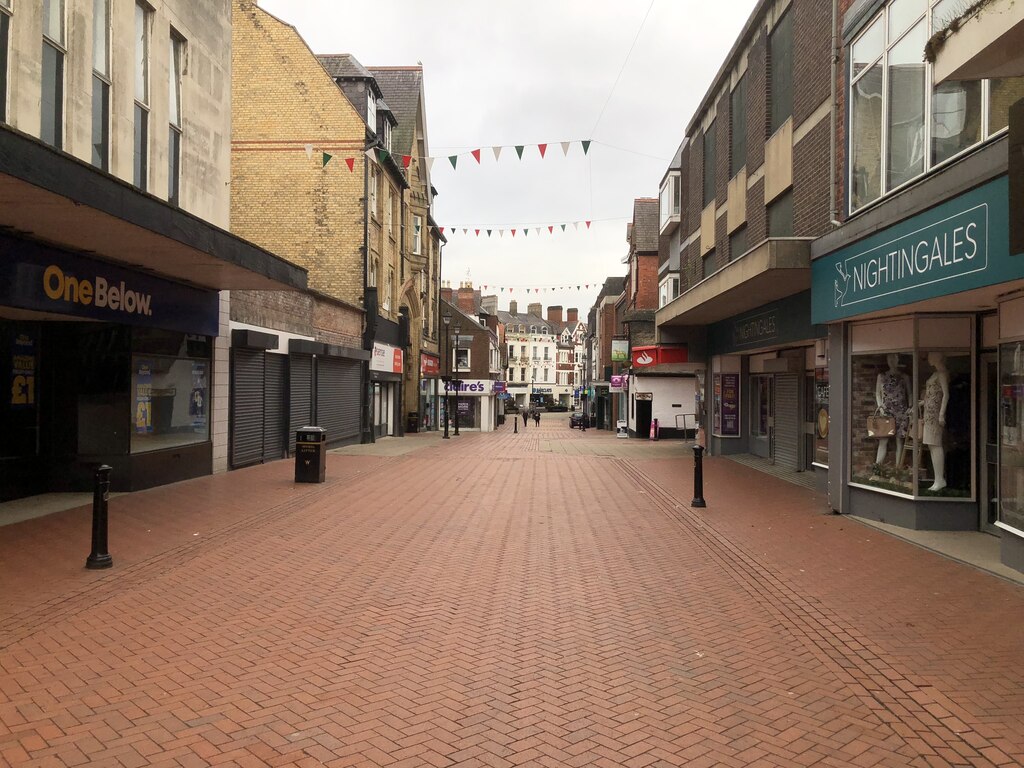
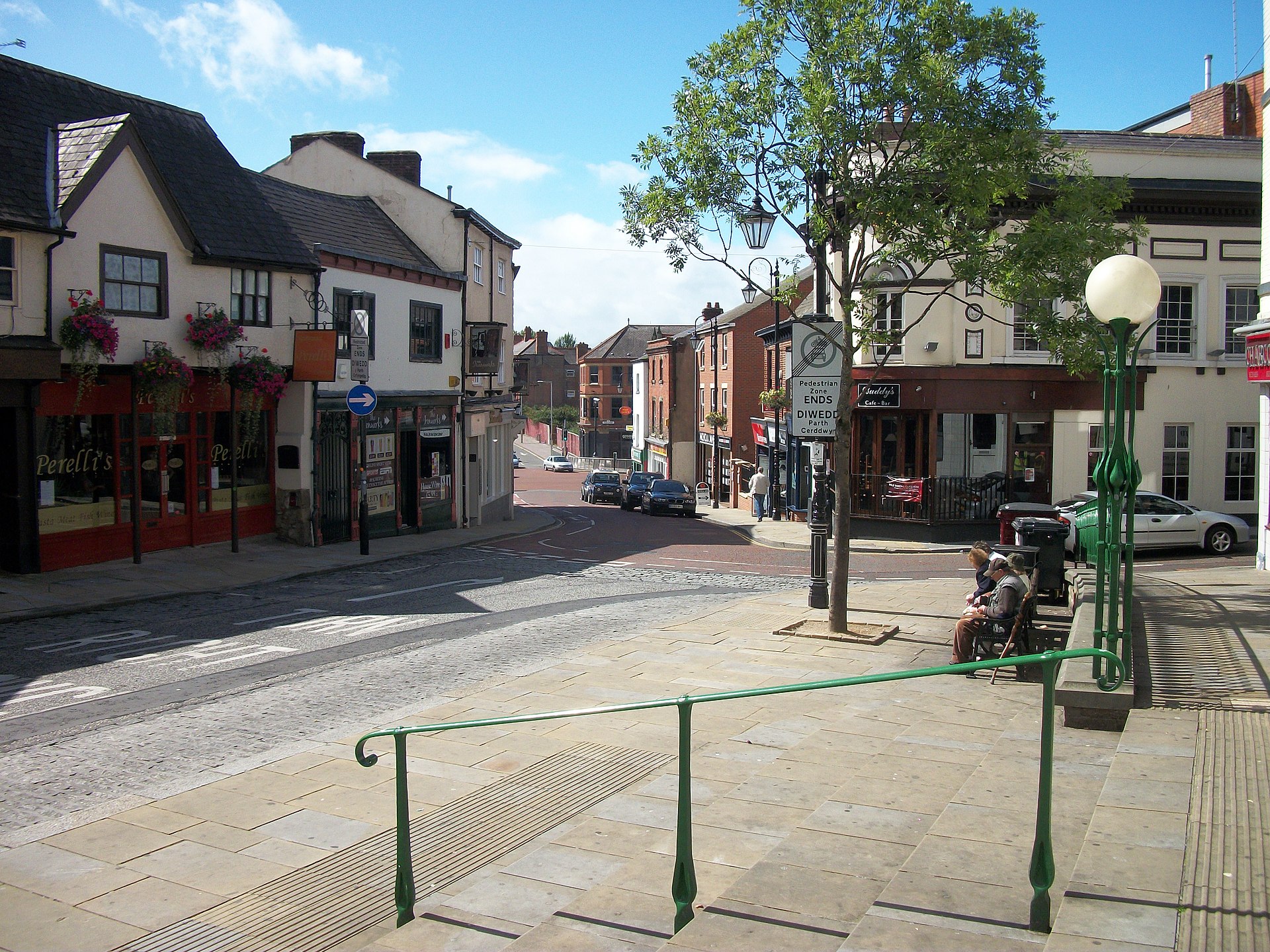
Wrexham town centre. For decades, a post-industrial market town that felt peripheral to the story of modern Wales.
The football club was an anchor — the one institution that gave the town a claim to national and occasionally international relevance. Wrexham AFC was founded in 1864, making it the oldest affiliated association football club in the world still in existence. It was a founding member of the Football Association of Wales. It had produced remarkable players: Mark Hughes, Mickey Thomas, Joey Jones. It had beaten Anderlecht in the European Cup Winners' Cup in 1976 in one of the great upsets in Welsh football history. At its peak in the 1970s, Wrexham was competing in the Second Division of the Football League — the equivalent of today's Championship — and drawing crowds that reflected the town's attachment to the game.
The decline that followed was long, painful, and entirely familiar to the hundreds of football clubs across Britain that once represented industrial towns now hollowed out by economic change. League One in the 1990s. Division Three in the 2000s. Then, in 2008, the unthinkable: relegation out of the Football League after 87 consecutive seasons as a member. Into the Conference National — the non-league wilderness. Administration. Winding-up orders. Multiple owner changes. The kind of crisis that kills football clubs.
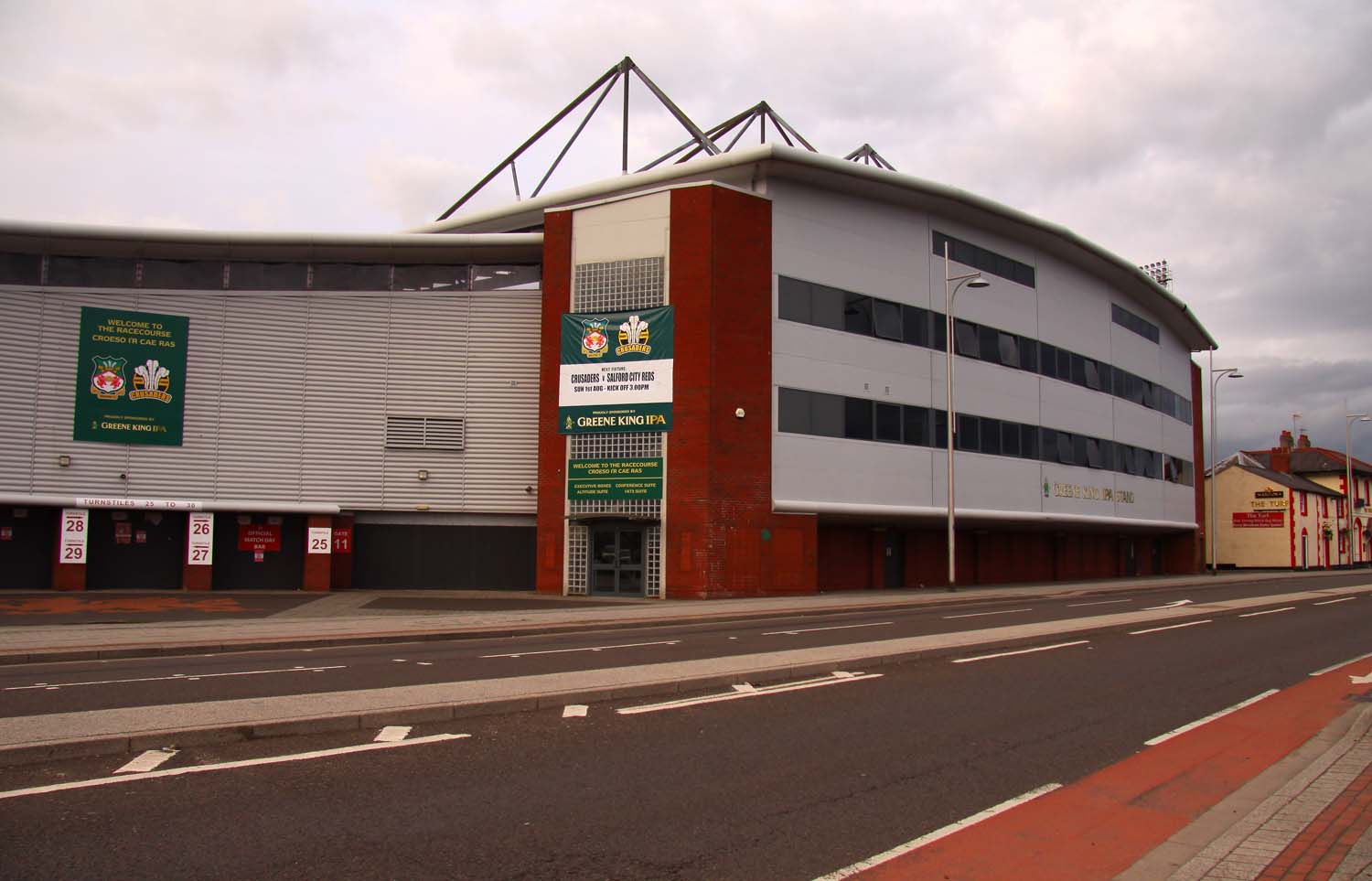
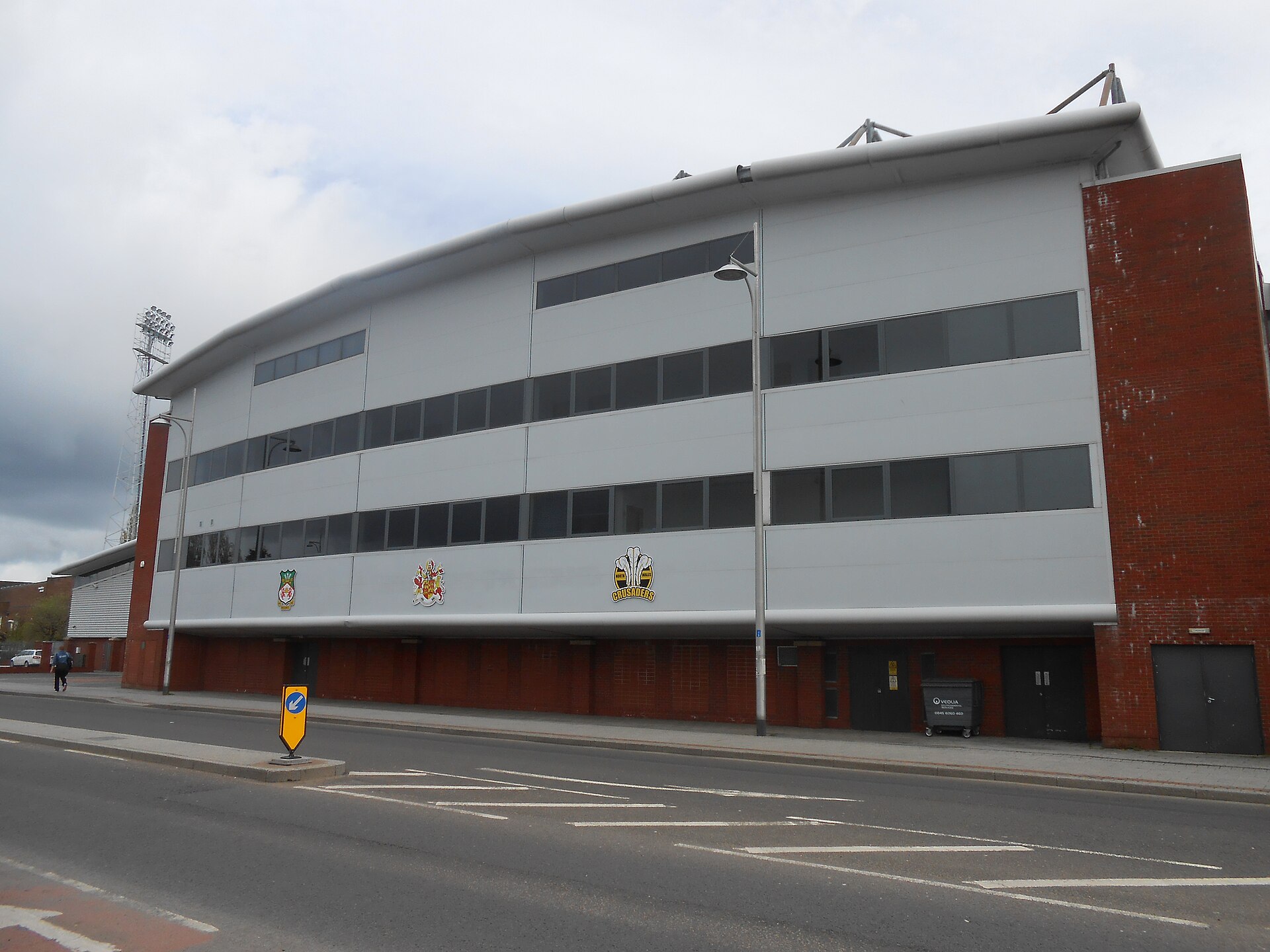
The Racecourse Ground before the renovation began. The world's oldest international football stadium, in need of investment that community ownership alone could not provide.
It was the supporters who saved it. In 2011, the Wrexham Supporters Trust took over the club, voting to assume ownership and responsibility for a club that no private investor would touch. For nine years, they ran it on a shoestring — paying players on semi-professional contracts, maintaining the Racecourse Ground with volunteer labour, and trying, year after year, to find the resources to get back to where the club believed it belonged. By 2020, despite everything, they had stabilised the club. They had not been able to win promotion. But they had kept it alive.
That was the situation when Rob McElhenney made his call to Ryan Reynolds.
The £2 Million Gamble (February 2021)
The origin story of the acquisition has been told in the documentary and in hundreds of newspaper articles since, but the key details bear repeating because they illuminate what made this different from every other celebrity football purchase before it.
McElhenney was not approached by Wrexham. He sought the club out after watching a BBC documentary about Welsh football and the Wrexham supporters' trust. His initial contact was through Humphrey Ker, a British comedian and writer who had worked with McElhenney on Mythic Quest, who grew up in England with a knowledge of non-league football. Ker suggested Wrexham. McElhenney was interested. He called Reynolds.
The due diligence process was unconventional. Neither man had experience in football acquisitions. They engaged advisors, but they also relied on instinct and on what the story told them: a proud historic club, a passionate community, a ground that was genuinely the oldest international football stadium in the world, and a price — approximately £2 million for a controlling stake — that was, by any metric, a tiny sum for what was on offer.
The Wrexham Supporters Trust put the proposed takeover to a membership vote. The result — 98.6% in favour — was less a vote than a statement of desperate hope. The community that had held this club together through its darkest years was saying, unanimously, that it trusted these two strangers with the thing it had protected.
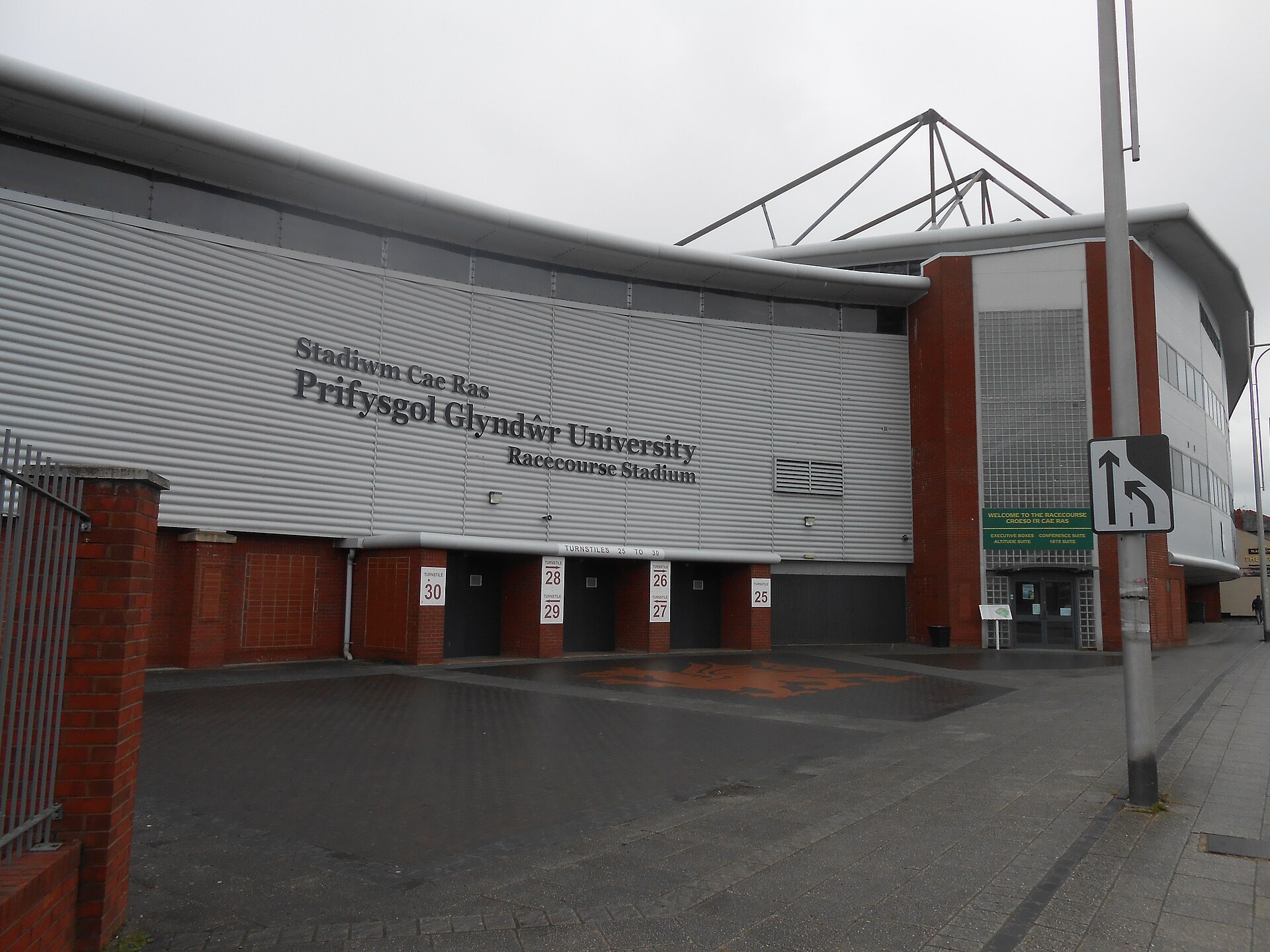
The Racecourse Ground. The trust vote result — 98.6% in favour — reflected fifteen years of a community keeping a club alive through sheer will.
Reynolds and McElhenney completed the acquisition in February 2021. Their first public commitments were clear: they would not move the club, would not change the name, would not ignore the community. They would invest, they would try to get the club promoted, and they would do it while making a documentary that showed the world what they were doing.
"We will try to grow this club back to the Football League," they said. At the time, with Wrexham sitting in the National League — five divisions below the Premier League — those words seemed more aspirational than realistic. Nobody could have predicted what would follow.
What made this different from almost every comparable celebrity acquisition was the simultaneous commissioning of a documentary. Before a ball was kicked under the new ownership, cameras were rolling. The story was being made alongside the club. The acquisition was not just a sports investment; it was a media production. That distinction — treating the ownership itself as content — would prove to be the key that unlocked everything.
Welcome to Wrexham — The Documentary That Changed Everything
Welcome to Wrexham, produced by RCR Media Group (Reynolds and McElhenney's own production company) and distributed globally by FX and Disney+, debuted in August 2022. By any objective measure, its impact exceeded every reasonable projection.
Season 1 drew 5.7 million viewers in the United States alone — a figure that placed it among the most-watched sports documentaries in American television history. Available in over 100 countries from day one, it introduced Welsh football to an audience that could not have identified the Cymru Premier on a map. It won Emmy Awards. It generated international news coverage. It transformed the way the world thought about a fifth-tier football club in a Welsh market town.
The show's power was not football. It was community. The documentary follows Reynolds and McElhenney with genuine warmth and self-deprecating humour — two men who know nothing about football trying to learn, quickly, what their new club means to the people it has belonged to for generations. It follows the fans: the elderly woman who has been attending since the 1960s, the working men who grew up going with their fathers, the young supporters who have inherited a passion they cannot quite explain. It shows the town: the pubs, the streets, the post-industrial landscape, the quiet pride of people who know their home has been overlooked for decades.
The football is the backdrop. The human drama is the product. And that human drama — told with prestige production values, global distribution, and the marketing muscle of two major celebrities — was irresistible.
The effect on football documentary culture was immediate and lasting. Before Welcome to Wrexham, club-made documentaries were largely promotional exercises: behind-the-scenes access granted to production companies on the understanding that the result would be flattering. After Welcome to Wrexham, every football club at every level of the pyramid understood that storytelling was a business asset in its own right. Sunderland 'Til I Die, the Bradford City documentary, and a generation of lower-league club content strategies all bear the mark of what Wrexham demonstrated: that authentic stories about football and community can command global audiences.
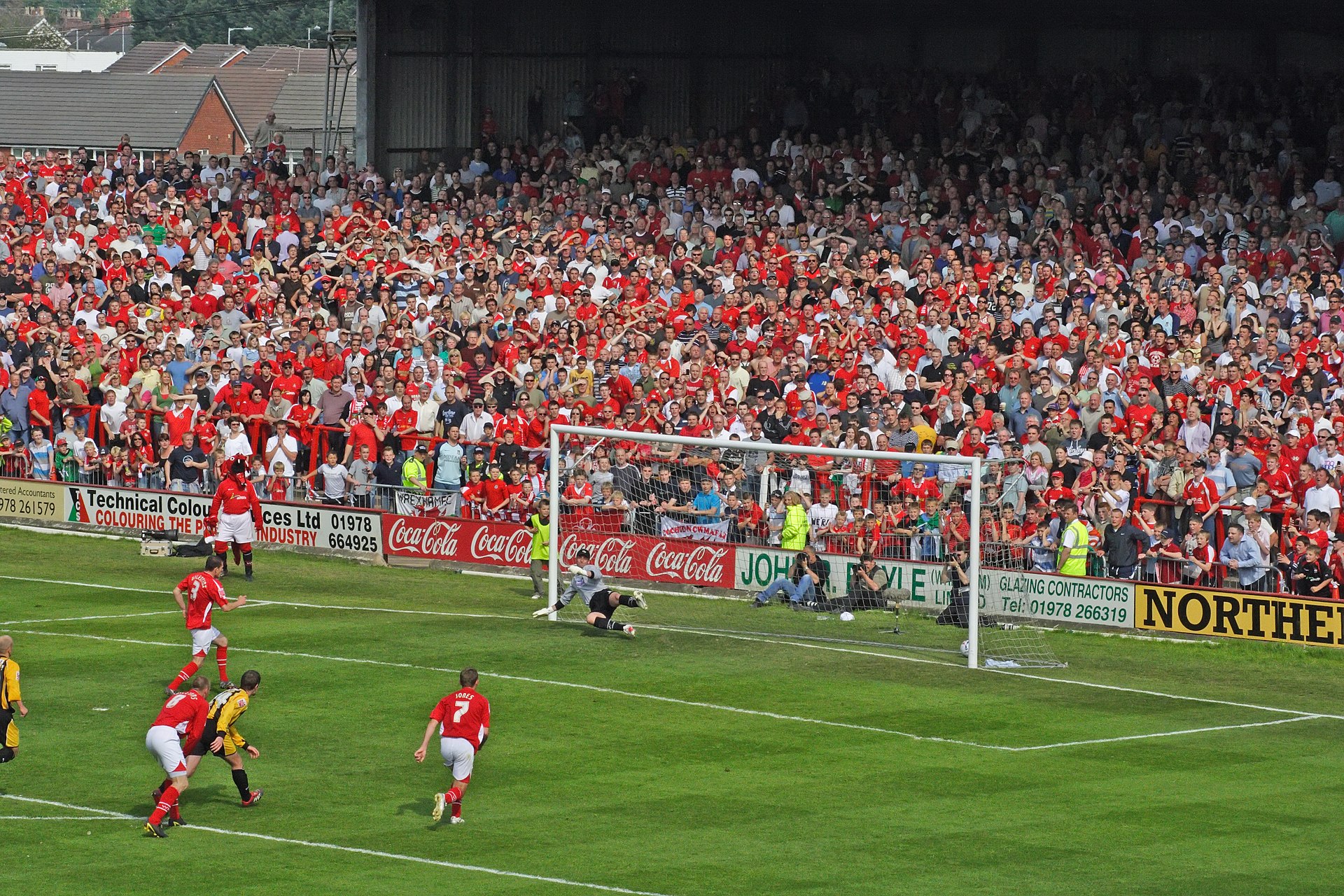
On the pitch, the story matched the documentary. The first promotion under Reynolds and McElhenney in 2023 was one of the most watched events in non-league football history.
What Happened on the Pitch
The promotional journey of Wrexham AFC under Reynolds and McElhenney is, by the standards of non-league football, extraordinary.
The 2021-22 season ended in heartbreak: Wrexham finished second in the National League but lost in the play-off final to Grimsby Town. The club was devastated but the investment was already showing. The playing budget had been raised significantly above National League norms. Paul Mullin had been signed from Cambridge United — a prolific forward who would become the face of the promotional push. The squad was built for promotion, not survival.
In 2022-23, they got it. Wrexham won the National League title with 111 points, a record. Mullin scored 37 goals in all competitions. The club returned to the Football League for the first time in 15 years. The scenes at the Racecourse Ground — broadcast live around the world, watched by fans in the US, Australia, and across Europe — were genuinely moving. Not because of the football, but because of what it meant to a town that had waited so long.
In 2023-24, they did it again. Back-to-back promotions. Wrexham won League Two and were promoted to League One. The investment in the squad — now fully professional, with players earning wages that would have been unthinkable in the National League era — was bearing fruit at a pace that even the most optimistic supporter had not anticipated. The club that had spent 15 years in football's basement had risen two divisions in two seasons.
The financial engine behind this was not magic. It was a combination of Reynolds and McElhenney's personal investment, strategic commercial deals, and the compounding effect of the documentary's success.
Key signings under the new ownership included Mullin, Ollie Palmer, Elliot Lee, and a roster of players drawn by the club's extraordinary profile. The playing budget rose from the National League norm of approximately £1-2 million per year to figures that put Wrexham among the top spenders in their respective divisions. They were not buying their way to success crudely — manager Phil Parkinson, a Championship-level appointment, built teams that won through organisation and spirit as much as financial power. But the money made the talent available, and the talent won the promotions.
The Numbers — What They Actually Invested
The precise figures for Reynolds and McElhenney's investment in Wrexham AFC are not all publicly reported, but the publicly available information paints a clear picture of the scale of the commitment.
The acquisition cost was approximately £2 million (completed February 2021). In the first three years of ownership, publicly reported investment — in playing budgets, stadium renovation, and commercial infrastructure — exceeded £10 million. By 2025, with League One status secured and a trajectory toward the Championship, estimates of total investment had reached £15-20 million, with ongoing commitment as the club scales its ambitions.
The Racecourse Ground renovation has been a significant component of this. The historic stadium — the world's oldest international football venue still in use — required substantial investment to meet Football League standards and to create the commercial infrastructure needed to generate matchday revenue at scale. New stand construction, hospitality upgrades, accessible facilities, and broadcast infrastructure have been installed across successive phases.
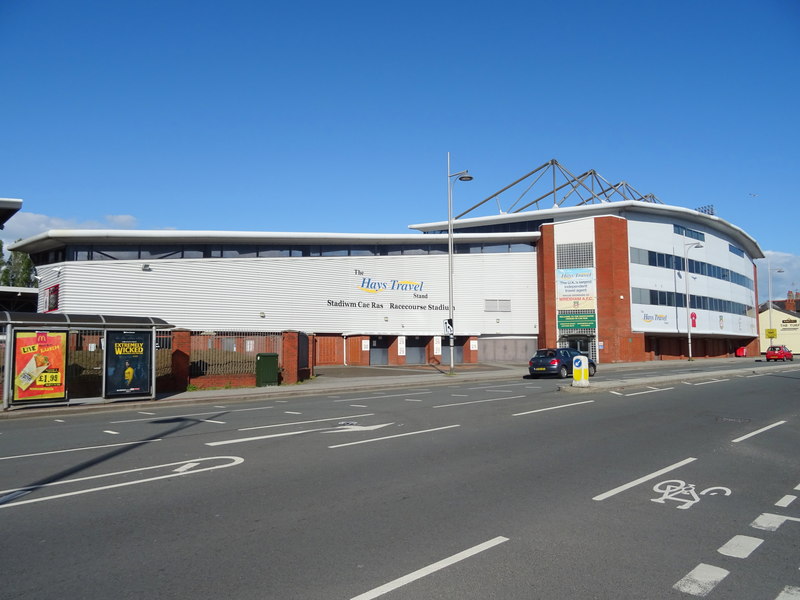
The Racecourse Ground under renovation. Investment in stadium infrastructure is both a regulatory requirement for Football League clubs and a commercial necessity for generating sustainable revenue.
The revenue trajectory illustrates the return on this investment:
| Metric | 2020-21 | 2025-26 (est.) | Change |
|---|---|---|---|
| Annual revenue | ~£2.5M | £8-12M | +220-380% |
| Matchday attendance | ~3,500 | 12,000+ | +243% |
| Shirt sponsorship value | Baseline | ~10x baseline | +900% |
| Global brand partnerships | None | TikTok, Expedia, Aviation Gin | New category |
| Estimated club valuation | £2M | £50M+ | +2,400% |
The commercial deals tell a particularly important story. Wrexham's partnerships now include TikTok as shirt sponsor, Expedia as travel partner, and Wrexham Lager — a brand Reynolds co-owns, demonstrating the circular commercial logic of his investment. These are global brands that had never associated themselves with a club at Wrexham's level. They came not because of football, but because of audience: the documentary's millions of viewers represented a marketing platform that no amount of traditional football sponsorship could replicate.
The funding model has been creative throughout. Reynolds's Maximum Effort production company has generated commercial opportunities directly linked to the club. The documentary deal itself generates revenue. Hollywood contacts have opened doors to partnerships that Welsh football had never previously been able to access. It is venture-backed football, run with the commercial instincts of two experienced entertainment entrepreneurs rather than the traditional sports ownership model.
The Town Transformed
The economic impact of the Wrexham acquisition on the town of Wrexham extends far beyond the club's balance sheet.
Tourism is the most visible and quantifiable change. Wrexham received city status in 2022 — a distinction in itself, however it is weighted. More significantly, the town has become a pilgrimage destination for international football fans. Americans, Canadians, Australians, and European visitors who discovered Wrexham through the documentary now make the journey to see a game, tour the Racecourse Ground, and experience the town that the show made famous. Visit Wales has reported significant increases in Wrexham as a stated destination for international visitors since 2022.
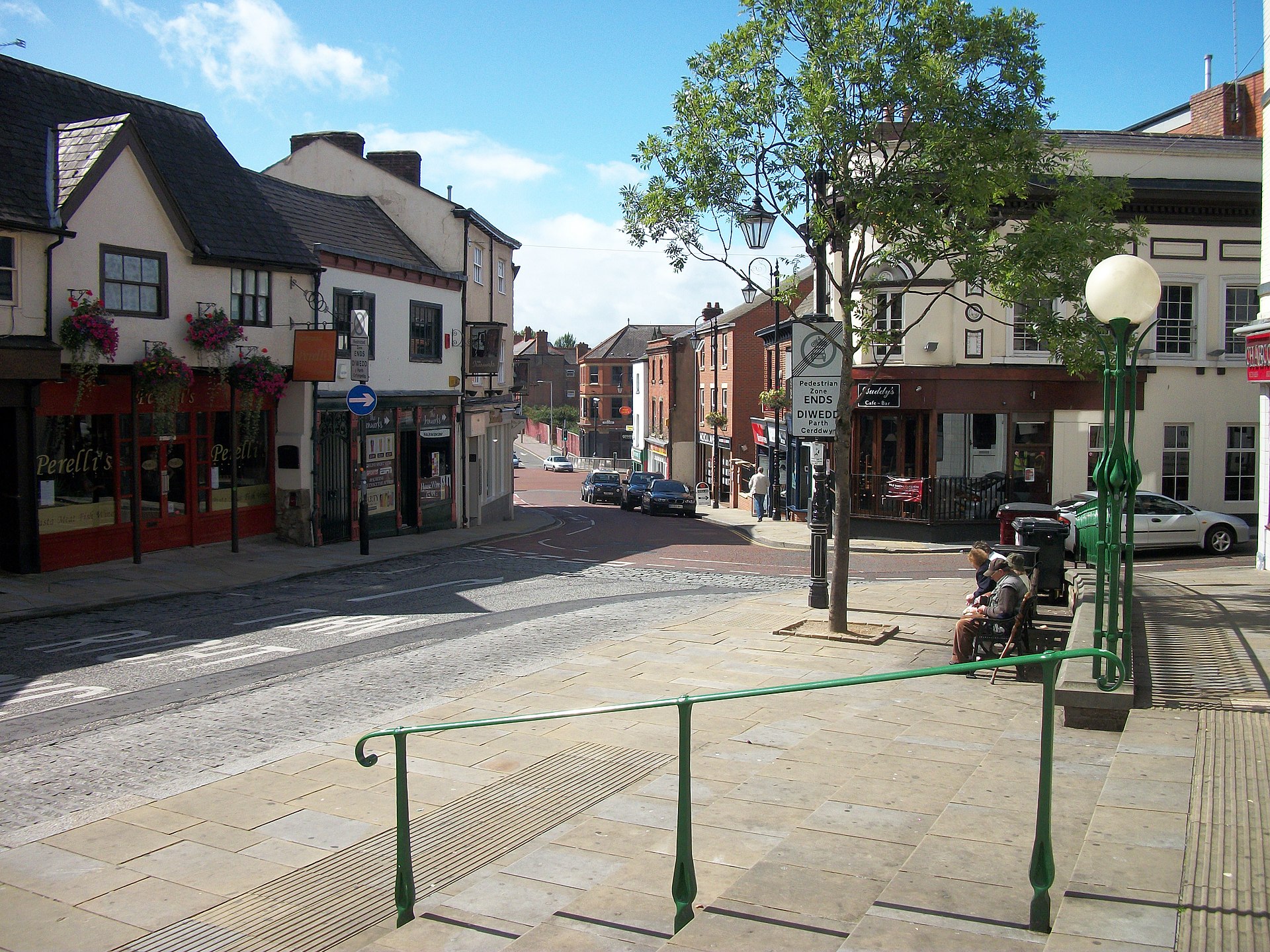
Matchday in Wrexham. The town's pubs and hospitality businesses now experience Friday-to-Saturday occupancy patterns they had not seen in decades.
Hospitality businesses have been direct beneficiaries. Hotels in the area report substantially higher occupancy on match weekends, with many fixtures now sold out for accommodation weeks in advance. The town's pubs — once struggling for trade — now queue outside on matchdays. New hospitality businesses have opened citing the club's changed profile as the reason. Wrexham Lager, Reynolds's brand, has become available across the UK and internationally, creating a commercial echo that extends the town's profile into supermarkets and bars far beyond North Wales.
Property markets in northeast Wales have followed broader Welsh trends but with additional momentum from Wrexham's changed profile. Developer interest in the town centre has increased, with several regeneration projects progressing that observers link, at least partially, to the city's raised international profile. The narrative shift — from declining post-industrial market town to global football destination — has material consequences for property investment.
The economic multiplier effect of football, studied extensively in contexts from Premier League clubs to smaller-town English football, typically exceeds the direct revenue generated by the club itself. For Wrexham, the multiplier has been amplified by the global audience of the documentary, creating tourism flows that a National League club, however beloved, could never have generated organically.
The Ripple — What Changed for Every Club in Wales
The Wrexham effect did not stay in Wrexham. It spread across Welsh football in ways that are now measurable and documented.
Cymru Premier attendance data shows a league-wide increase of 30-50% across all clubs since the acquisition, with the most dramatic gains among clubs in North Wales — geographically and commercially closest to the Wrexham story. Average attendance in the Cymru Premier has risen from approximately 250-350 per match pre-2020 to 400-600, with individual clubs and fixtures regularly exceeding 1,000.
| Club | Primary Wrexham Effect Benefit | Estimated Revenue Impact |
|---|---|---|
| TNS | International visibility for European campaigns | +£500K-£800K (commercial + European) |
| Connah's Quay Nomads | North Wales rivalry narrative | +£100K-£200K (sponsorship + attendance) |
| Bala Town | Tourist/visitor matchday interest | +£30K-£60K (matchday + merchandise) |
| Haverfordwest County | Increased digital engagement | +£20K-£50K (digital + sponsorship) |
| Newtown AFC | Historical rivalry angle | +£15K-£40K (attendance + matchday) |
| Penybont FC | New club visibility | +£20K-£50K (brand building) |
For the detailed commercial analysis of how this translates across the Cymru Premier, see our existing analysis of the Wrexham effect's commercial impact.
Sponsorship enquiries have increased across the pyramid. Clubs that previously struggled to attract commercial partners are fielding approaches from brands — local and international — who see Welsh football as an undervalued marketing platform. The sponsorship landscape that existed pre-Wrexham, in which most Cymru Premier clubs had at best a modest local shirt sponsor and minimal other commercial relationships, has visibly shifted.
The Football Association of Wales responded to the changed landscape with an accelerated professionalisation agenda. FAW Vision 2036, the long-term development plan for Welsh football, was already in development before the Wrexham acquisition but has been given urgency by the changed commercial environment. The FAW understands — and has stated publicly — that the Wrexham story provides an unprecedented opportunity to develop Welsh football as a commercial proposition, and they are actively working with clubs to raise standards to meet the expectation that new attention creates.
Women's football has benefited from the halo. Adran Premier attendances have grown year-on-year since 2021, and the commercial interest in women's football investment — already growing globally — has been amplified in Wales by the raised profile of the game as a whole. Welsh women's clubs are fielding sponsorship approaches that were inconceivable five years ago.
International media coverage of Welsh football has increased by a factor of more than ten. Where the Cymru Premier received perhaps 200 significant media mentions per year in the 2019-20 season, it now generates approximately 2,500 per year — driven partly by Wrexham stories, but increasingly by coverage of the league itself.
Why This Is the Investment Window
The gap between Wrexham's global profile and the valuation of the rest of Welsh football represents one of the most significant mispricings in European football investment.
Wrexham AFC was acquired for £2 million in 2021 and is now estimated to be worth in excess of £50 million. It was a 25-fold return in five years, driven not by stadium development or squad construction alone, but by the commercial and media value created by treating the club as a brand. The Wrexham story is not just a sports story; it is a content business, a hospitality business, a tourism business, and a community institution.
Meanwhile, clubs in the Cymru Premier — operating in the same league system, benefiting from the same raised profile, with the same access to the same FAW infrastructure and the same international attention — remain acquirable for £150,000 to £2 million. The market has not yet adjusted to the new reality.
The reason is simple: the Wrexham effect has changed awareness and sentiment without yet changing prices. Investors who were unaware of Welsh football before 2020 are now aware of it, but they have not yet arrived in sufficient numbers to drive valuations to market-clearing levels. There is a window — its duration is not knowable, but it exists — between the raised profile of Welsh football and the repricing of Welsh football clubs.
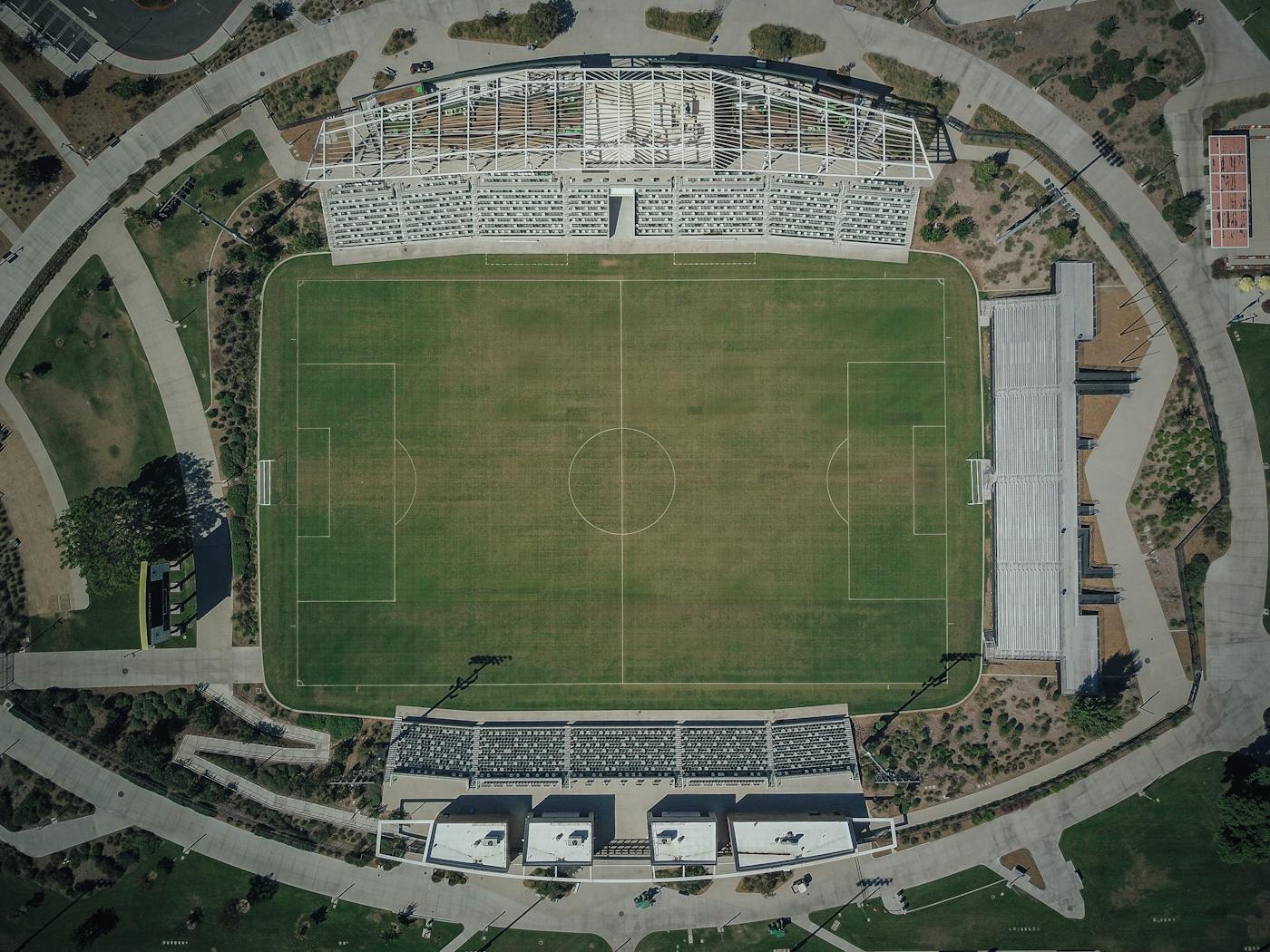
The Cymru Premier covers all of Wales. The profile of the league has risen dramatically; the acquisition costs have not yet adjusted.
The investment thesis for Welsh football in 2026 rests on five pillars:
1. Timing advantage. The window is open but will not remain open indefinitely. FAW's professionalisation agenda, increasing media coverage, and growing investor awareness will eventually push prices to their market level.
2. FAW alignment. The Football Association of Wales wants professional, well-resourced clubs. Investors who commit to Welsh football are not working against a regulator; they are working alongside one that is actively supporting club development.
3. Cymru Premier expansion. The league expands from 12 to 16 clubs for the 2026-27 season. More fixtures, higher aggregate broadcast revenue, additional European qualification places, and a larger addressable market for sponsors.
4. European revenue. Cymru Premier clubs qualify for UEFA Champions League and Europa League qualifying rounds. For clubs that progress, this generates income that transforms the financial model. TNS's best European runs have generated over £1 million in UEFA prize money in a single campaign.
5. The Wrexham narrative. The story that makes Welsh football investable to an international audience already exists. Investors do not need to create the context; they inherit it. Every club acquisition in Welsh football now benefits from the Wrexham halo — the media framework that makes the story legible and compelling to a global audience.
What the Next Chapter Looks Like
Wrexham's stated ambition is to reach the Premier League within ten years of the Reynolds/McElhenney acquisition — a timeline that would require at least three more promotions and sustained investment at a level that will grow as the club rises through the divisions. Whether they achieve it, and on what timeline, is genuinely uncertain. Football does not deliver on ambition reliably.
What is more certain is the direction of travel. Wrexham in League One generates substantially more revenue than Wrexham in the National League. Wrexham in the Championship would generate substantially more again — and at that point, the club's media profile and commercial relationships would place it among the most commercially interesting clubs outside the Premier League anywhere in English football. The Reynolds/McElhenney investment is not speculative. It is compounding.
For investors in Welsh football, the Wrexham trajectory poses a specific question: do you back Wrexham — now valued at £50 million-plus and rising — or do you find the next one?
The case for finding the next one is compelling. Wrexham's story is essentially complete as an underdog narrative. The next wave of Welsh football investment will be written by clubs that are, today, where Wrexham was in 2019: under-resourced, under-profiled, and under-valued, but with genuine community roots, historic identities, and real potential for transformation.
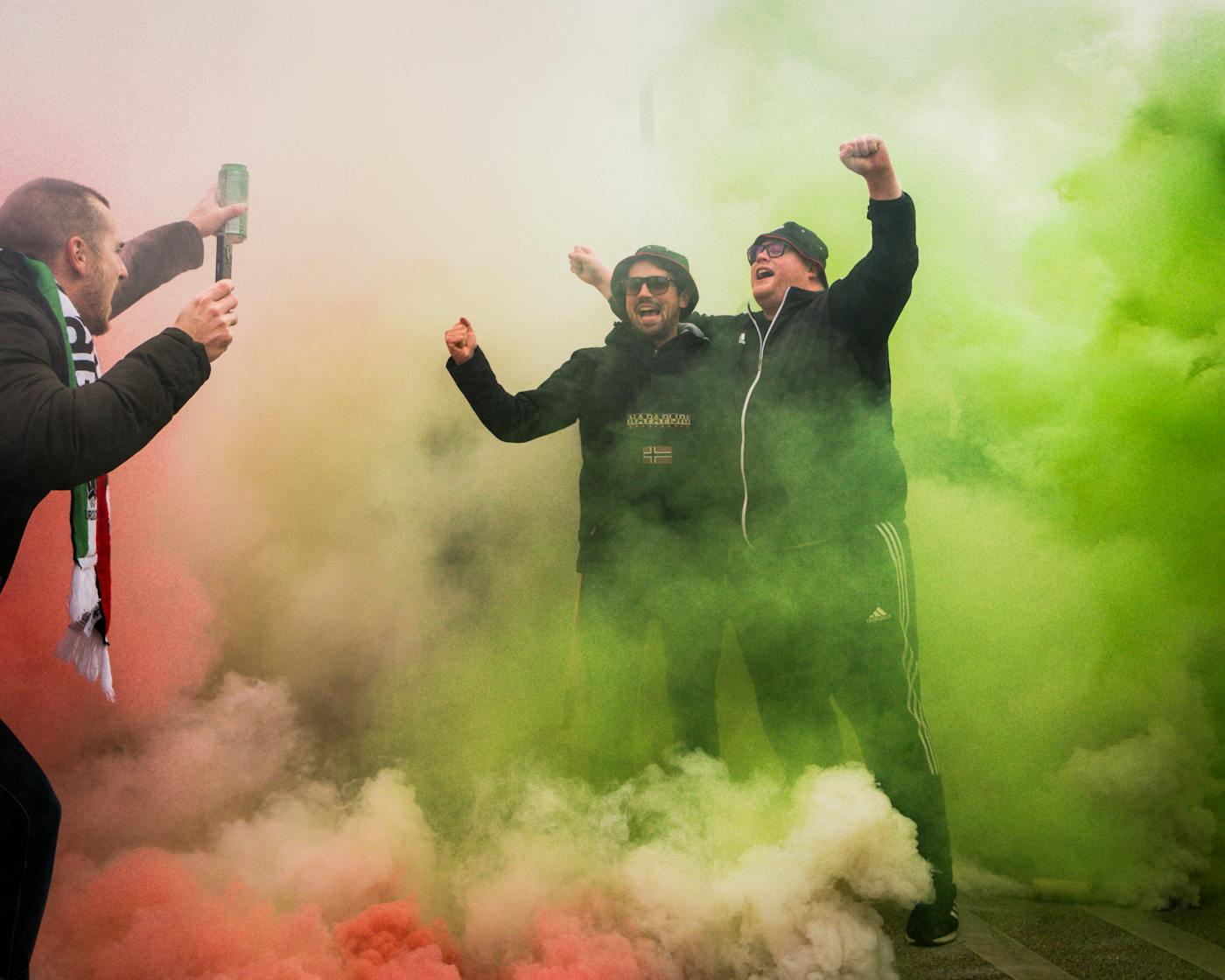
The next chapter of Welsh football investment will be written by clubs that choose to embrace the opportunity the Wrexham effect has created.
The clubs best positioned for this next chapter — analysed in detail in our guide to the next Wrexham candidates — are those that combine a compelling community story with geographic catchments that can support commercial growth, grounds capable of development, and the conditions for media and narrative investment to generate the same compounding returns that Wrexham demonstrated.
The investor who moves in 2026 is in the position of the investors who looked at Wrexham in 2019 and decided the moment had passed — and watched Reynolds and McElhenney buy it a year later and turn £2 million into £50 million.
The Opportunity — Right Now
The Wrexham effect is not a story about Hollywood. It is a story about what happens when undervalued assets — a football club, a community, a history — are given the resources, the storytelling, and the strategic intent they have always deserved.
Every club in the Cymru Premier has a version of this story. Every club has a community that cares, a history that matters, a ground that means something. The Wrexham acquisition demonstrated that these intangible assets can be converted into commercial value — but only by investors who understand what they are buying and are willing to invest in the story as much as in the infrastructure.
The window is open. The profile is established. The FAW is supportive. The market is still, by comparison with any equivalent in English football, dramatically underpriced.
Explore the men's club profiles: Cymru Premier clubs
Explore the women's club profiles: Adran Premier clubs
Go deeper on the Wrexham story:
- How the town of Wrexham was economically transformed
- Welcome to Wrexham: the documentary that changed football investment
- Celebrity football club ownership: the Wrexham blueprint
- The next Wrexham? 5 Welsh clubs ready for the spotlight
- How to invest in a Welsh football club in 2026
- Racecourse Ground: the world's oldest international stadium
"The Wrexham effect has revitalised the perception of Welsh football, turning it into a viable investment opportunity for sponsors and businesses alike. What Reynolds and McElhenney did for one club, the market is now doing for an entire league."
— FAW Report on the Commercial State of Welsh Football, 2025
Analysis based on publicly reported figures, FAW attendance data (2019-2026), Companies House filings, Transfermarkt valuations, media monitoring estimates, and Pitch Wales research. Revenue impact estimates are approximate and based on publicly available financial data supplemented by industry benchmarks. March 2026.