
TL;DR: Barry Town United generates an estimated £1.1M in revenue with a squad valued at £800K. Seven league titles, European pedigree including Champions League qualifying rounds, and six academy graduates in the senior squad make this the Cymru Premier's strongest brand-to-value proposition. Founded in 1912, the club's commercial infrastructure is underdeveloped relative to its brand equity — the gap is the opportunity.
A Historic South Wales Powerhouse
Barry Town United is not just another Cymru Premier club. With seven league titles, the club is the most decorated side in South Wales and one of the most successful in the history of Welsh domestic football. More importantly for investors, Barry Town's brand carries recognition that extends well beyond the Welsh football ecosystem — largely thanks to European campaigns that included Champions League and UEFA Cup qualifying rounds against continental opposition.
Founded in 1912, Barry Town's history includes periods of dominance in the 1990s and early 2000s when the club was the premier force in Welsh football, regularly representing Wales in European competition. A period of financial difficulty and reformation in the mid-2000s means the current entity operates on a far more sustainable footing, but the brand equity from that era persists. For a broader look at how Barry fits within the league's heritage landscape, see the History of Welsh Football's Oldest Clubs.
For investors evaluating the Cymru Premier, Barry Town represents something specific: a club where brand value significantly exceeds current commercial monetisation. That delta between reputation and revenue is the core investment thesis. For how Barry compares with peers, see the Best Clubs to Invest In ranking.
Financial Profile
Barry Town's estimated £1.1M revenue places it in the upper tier of Cymru Premier clubs, though well below the league leader TNS (£3.2M). The revenue is diversified across broadcast, matchday, commercial, and academy-related income streams.
| Metric | Value | Source |
|---|---|---|
| Estimated Annual Revenue | £1.1M | Companies House filings, 2025/26 |
| Squad Value | £800K | Transfermarkt, March 2026 |
| League Titles | 7 | Welsh football historical records |
| Average Attendance | ~500 | Cymru Premier statistics, 2025 |
| Academy Players in Senior Squad | 6 | FAW academy reports, 2026 |
| European Participations | 8+ | Historical performance data |
| Ground Capacity | ~3,000 | Jenner Park specifications |
| Broadcast Revenue | £80-120K | FAW distribution estimates |
Revenue Breakdown
| Revenue Stream | Estimated Annual Value | % of Total | Growth Potential |
|---|---|---|---|
| Commercial/Sponsorship | £350-450K | 35-40% | High |
| Broadcast (FAW/S4C) | £80-120K | 8-11% | Moderate |
| Matchday | £60-80K | 6-8% | Moderate |
| Academy/Player Sales | £100-200K | 10-18% | High |
| Other (grants, events) | £200-300K | 20-28% | Moderate |
The commercial line is the most significant. Barry's seven titles and European history give it leverage in sponsorship negotiations that clubs with comparable attendance figures simply cannot replicate. A shirt sponsor pays for exposure and association — and "seven-time champions with European pedigree" is a materially stronger proposition than "mid-table Cymru Premier side," even if the matchday audience is similar.
However, this commercial revenue remains underdeveloped. Barry does not currently employ a dedicated commercial manager, and sponsorship activation is largely handled alongside other administrative duties. The FAW's own data suggests that clubs hiring dedicated commercial staff see 15-20% revenue increases — at Barry's revenue level, that would translate to £165-220K in additional annual income.
The Brand Equity Thesis
European Pedigree
Barry Town's European record is the single most differentiating asset in its investment profile. The club has competed in:
- UEFA Champions League qualifying rounds (multiple seasons in the late 1990s/early 2000s)
- UEFA Cup (now Europa League) qualifiers
- UEFA Intertoto Cup
These campaigns generated fixtures against clubs from Portugal, Azerbaijan, Moldova, and beyond — creating an international footprint that no other South Wales club in the Cymru Premier can claim. While the current squad is unlikely to replicate those runs immediately, the European pathway remains open through Cymru Premier qualification spots, and even a first-round Conference League tie would generate significant attention and revenue. For the financial mechanics of European qualification, see the European Qualification Analysis.
Seven League Titles
Barry's title count (seven) places it behind only TNS (15+) in the Cymru Premier era. This matters commercially because:
- Sponsors pay premiums for association with winning brands
- Media coverage gravitates toward clubs with narrative depth
- Supporter engagement remains higher at clubs with a winning tradition, even during lean periods
- Player recruitment benefits from the club's reputation — semi-professional players choose Barry over comparable clubs because of the name
The Wrexham Parallel
The Wrexham effect has demonstrated that Welsh football clubs with strong brand narratives can attract disproportionate investment and commercial attention. Barry Town's story — seven titles, European nights, financial collapse, community-led reformation, and return to the top flight — is precisely the type of narrative that resonates with modern football investors and content-driven audiences. The 30-50% growth in Welsh football visibility driven by Wrexham creates a rising tide that benefits clubs with stories to tell.
Squad and Player Development
Current Squad Profile
Barry's £800K squad value sits above the Cymru Premier median, reflecting a blend of experienced players and academy graduates. The squad's composition is notable for its development pathway:
| Squad Metric | Value | League Context |
|---|---|---|
| Squad value | £800K | Above median (£500-600K) |
| Academy players in first team | 6 | Joint-second highest in league |
| Average player age | ~25 | League average: ~26 |
| Welsh-qualified players | ~70% | Above league average |
Academy Output
Six academy players in the senior squad is a significant number for a Cymru Premier club. This academy integration delivers three benefits:
- Cost control: Academy graduates earn lower wages than external signings, keeping the wage-to-revenue ratio sustainable
- Transfer value: Players developed through the academy who attract interest from English Championship or League One clubs generate transfer fees that are pure profit
- Community connection: Local players strengthen the bond between club and community, supporting matchday attendance and sponsorship retention
For a comparison of academy output across the league, see the Best Academy Clubs analysis. Barry's academy model differs from Cardiff Met's university-based approach but achieves similar cost efficiencies through a more traditional pathway.
Facility Assessment: Jenner Park
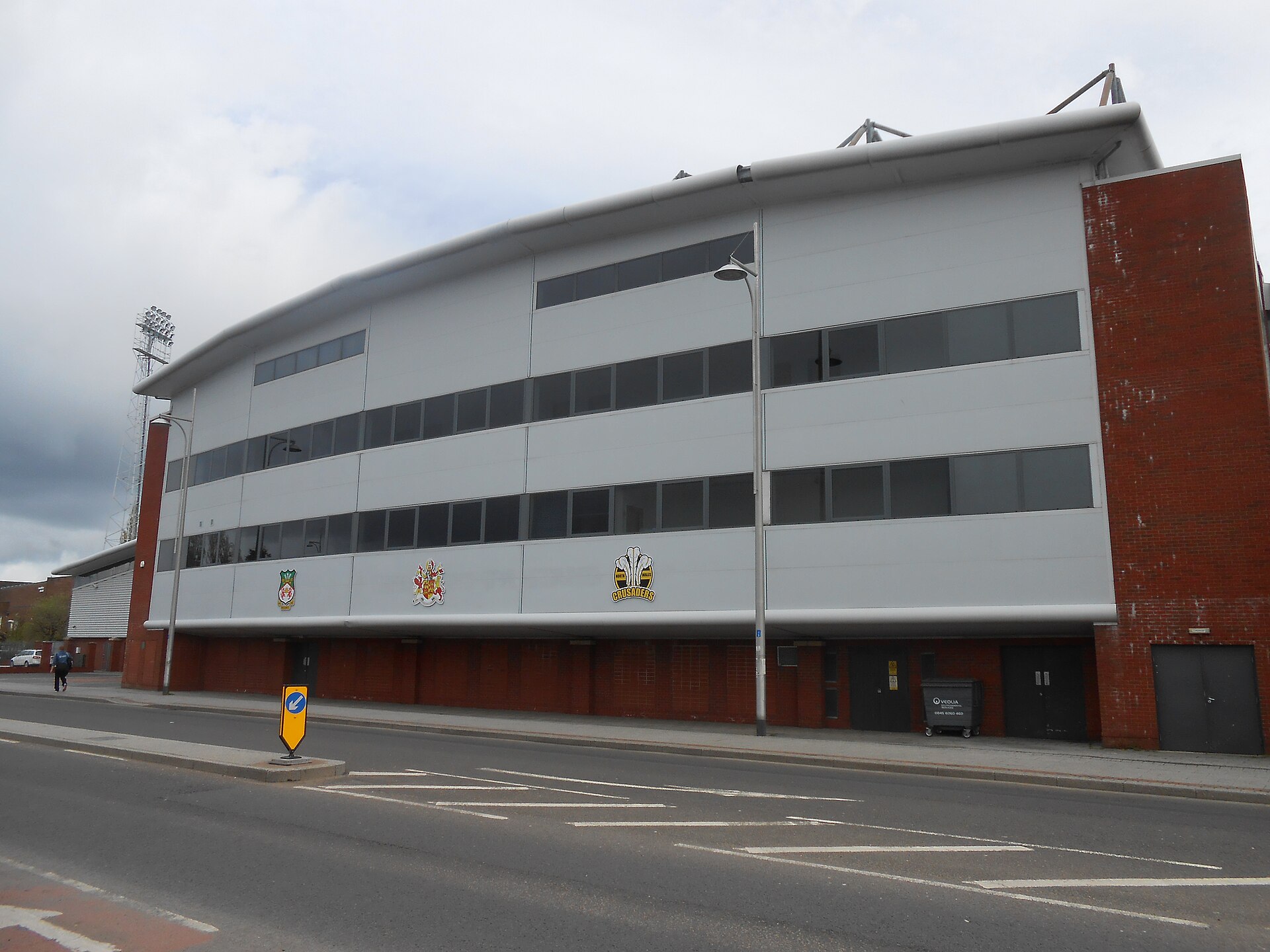
Jenner Park, located in the heart of Barry in the Vale of Glamorgan, provides the club's home ground. The facility currently offers:
| Facility Feature | Current Status | Investment Need |
|---|---|---|
| Pitch quality | Natural grass, adequate | 4G upgrade potential |
| Seating capacity | ~3,000 (partial seating) | Sufficient for current demand |
| Floodlights | Compliant | Minor upgrade by 2028 |
| Clubhouse/hospitality | Basic | Significant upgrade opportunity |
| UEFA licensing | Conditional | Additional investment required |
| Training facilities | Limited on-site | Partnership or development needed |
The most impactful facility investment would be a 4G artificial pitch. Haverfordwest County's £500K 4G installation (completed 2024) generated additional community revenue through pitch hire and training programmes. A similar investment at Jenner Park could add £30-50K in annual non-matchday income while improving training conditions. See the Artificial Pitch Investment analysis for cost-benefit detail and the Infrastructure Guide for broader facility benchmarks.
Competitive Position
League Standing
Barry Town currently competes in the upper half of the Cymru Premier, with realistic ambitions for European qualification in strong seasons. The club's position within the league hierarchy:
| Tier | Clubs | Barry's Position |
|---|---|---|
| Tier 1 (£2M+ revenue) | TNS | Below |
| Tier 2 (£1-2M revenue) | Connah's Quay, Barry Town, Newtown | Within |
| Tier 3 (£500K-1M) | Caernarfon, Penybont, Haverfordwest | Above |
| Tier 4 (below £500K) | Bala, Cefn Druids | Above |
Barry's £1.1M revenue and £800K squad value place it comfortably in the second tier — competitive enough to challenge for European spots but not yet at TNS's dominant level. The expansion to 16 clubs introduces new competitors but also additional fixtures and revenue. See the Expansion Guide for the structural implications.
South Wales Market Position
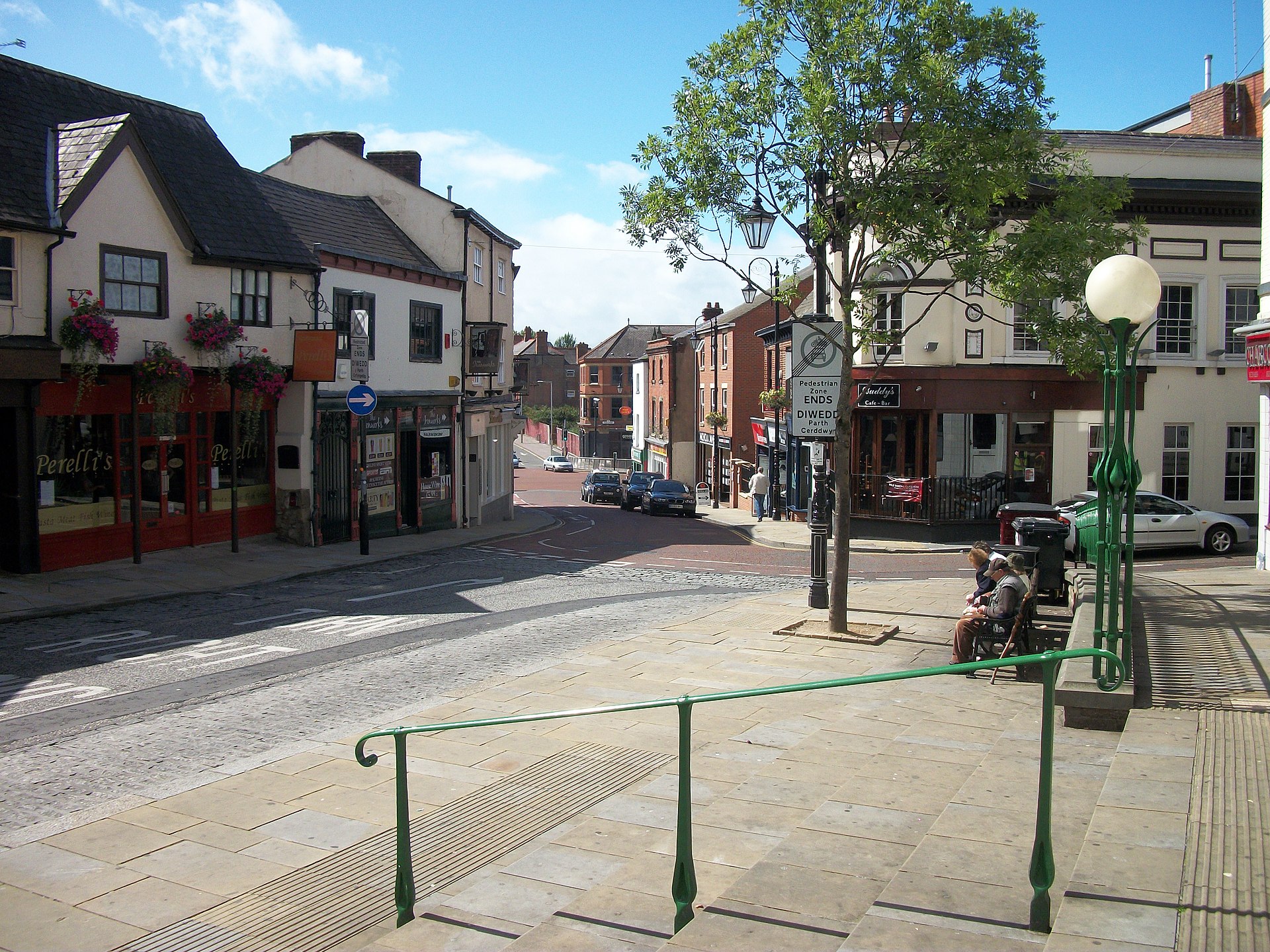
Barry operates in the most commercially valuable catchment in the Cymru Premier — the South Wales corridor that includes Cardiff, Newport, and the Vale of Glamorgan. While Cardiff City and Swansea City dominate the professional football landscape, the Cymru Premier occupies a distinct niche: affordable, community-oriented football with European pathway potential. Barry's proximity to Cardiff (a 25-minute drive) gives it access to a metropolitan population of 350,000+ while maintaining its own identity as a Vale of Glamorgan institution. For catchment analysis, see the Population and Catchment report.
Due Diligence Considerations
Investors considering Barry Town should focus on several key areas:
Companies House Review
Barry Town United operates as a limited company. Companies House filings reveal the club's financial history, director appointments, and any outstanding charges or debts. The reformation-era accounts are particularly important — they establish the clean financial foundation on which the current entity operates.
FAW Licensing
Barry's FAW licensing status should be verified annually. Licensing compliance is a prerequisite for European qualification, and non-compliance represents a direct revenue risk. The club's ground and financial standing must meet FAW licensing requirements, with specific attention to any conditions or time-limited exemptions.
Ground Lease Terms
The terms of Barry's occupancy at Jenner Park — whether freehold, leasehold, or council-managed — directly affect the viability of facility investments. An investor planning a 4G pitch or hospitality upgrade needs security of tenure. See the Property Ownership vs Lease analysis for the implications.
Community Stakeholder Mapping
Barry's reformation was community-driven, and many current volunteers and supporters were instrumental in saving the club. Any investor must navigate these relationships carefully. The Community Ownership model is not currently in place at Barry, but the community's emotional investment in the club means that perceived threats to its identity could trigger significant resistance.
Investment Scenarios
Scenario 1: Commercial Activation (£50-100K investment)
Hire a full-time commercial manager, professionalise sponsorship sales, launch a structured membership programme, and activate digital revenue channels. Expected revenue uplift: £150-250K annually within 18 months. This is the lowest-risk, highest-ROI intervention available.
Scenario 2: Facility Upgrade (£300-500K investment)
Install a 4G pitch, upgrade the clubhouse for hospitality and events, and improve training facilities. This unlocks non-matchday revenue (pitch hire, events, coaching programmes) and improves the playing environment. Expected revenue uplift: £50-80K annually, plus enhanced player recruitment.
Scenario 3: Competitive Push (£200-400K annual commitment)
Increase the playing budget to target European qualification. A top-three finish in the Cymru Premier would unlock Conference League qualifying revenue (£50-200K+), enhanced broadcast exposure, and a significant spike in commercial interest. This is higher-risk but offers transformational upside.
For return projections across all scenarios, see the Investment Returns Analysis.
Conclusion
Barry Town United offers investors a rare combination: a historically significant football brand with proven European pedigree, operating in a commercially attractive South Wales catchment, at a valuation that reflects semi-professional economics rather than brand equity. The gap between what Barry Town is worth as a brand and what it currently generates commercially is the investment opportunity. With targeted spending on commercial infrastructure, facility upgrades, and squad development, Barry Town has the foundation to become one of the Cymru Premier's most compelling growth stories.
For league-wide comparisons, see the Club Valuations, the full Club Investment Profiles, and our guide to Buying a Welsh Football Club.
Source & Methodology
This profile draws on Companies House filings for Barry Town United FC Ltd, Transfermarkt squad valuations (March 2026), FAW licensing committee reports, S4C/Sgorio broadcast distribution data, and Cymru Connect's proprietary revenue and attendance modelling. European competition records are sourced from UEFA's official competition archive. Revenue estimates reflect publicly available data cross-referenced with industry benchmarks for semi-professional UK football clubs. All figures should be treated as informed estimates unless otherwise stated.