
TL;DR: TNS tops the Cymru Premier at an estimated enterprise value of £3-5M, while lower-table clubs can be acquired for under £200K. The league's average club revenue of approximately £1.0M supports valuations using 1-2x revenue multiples — significantly below the 3-5x multiples seen in English football. With the expansion to 16 clubs and growing broadcast revenues, current valuations may represent the most affordable entry point into European-qualifying football ownership.
Why Valuations Matter Now
The Cymru Premier is experiencing a repricing. Three forces are converging: the league's expansion from 12 to 16 clubs for 2026/27 (creating new fixture inventory and broadcast revenue), the Wrexham effect driving 30-50% attendance growth across Welsh football, and improving financial transparency through Companies House filings that make club finances more visible to potential buyers.
For investors, this creates a window. Current valuations are based on historical revenue multiples that do not yet fully reflect the structural improvements ahead. A club valued at 1.5x today's revenue could trade at 2x a larger revenue base within two to three seasons — a compounding return that makes timing relevant.
This analysis provides estimated valuations for all 12 Cymru Premier clubs, explains the methodology, and identifies where the market may be mispricing clubs relative to their underlying potential.
Valuation Framework
We estimate club valuations using a blended approach that combines three methods.
Methodology
| Method | Weight | Description |
|---|---|---|
| Revenue Multiple | 40% | Enterprise value as a multiple of annual revenue |
| Asset-Based | 30% | Value of squad, infrastructure, and brand |
| Comparable Transactions | 30% | Prices paid in recent Welsh and small-nation football transactions |
Revenue multiples in the Cymru Premier typically range from 1.0x to 2.0x annual revenue. This is significantly below the 3-5x multiples common in English Championship clubs or the 5-10x seen in the Premier League. The lower multiples reflect the semi-professional nature of most clubs, limited broadcast rights value, and concentration risk (many clubs are dependent on one or two key revenue sources).
Asset-based valuations account for squad value (Transfermarkt estimates), ground ownership status, infrastructure quality, and brand equity. Clubs that own their grounds carry higher asset values than those on leases. UEFA licensing status adds a premium because it unlocks European competition access — a revenue source worth £100-600K per season.
Comparable transactions draw on recent Welsh football acquisitions and transactions in comparable leagues (League of Ireland, Icelandic Urvalsdeild, Scottish lower leagues) to calibrate multiples.
Estimated Valuations by Club
| Club | Revenue | Squad Value | Key Assets | Estimated Valuation |
|---|---|---|---|---|
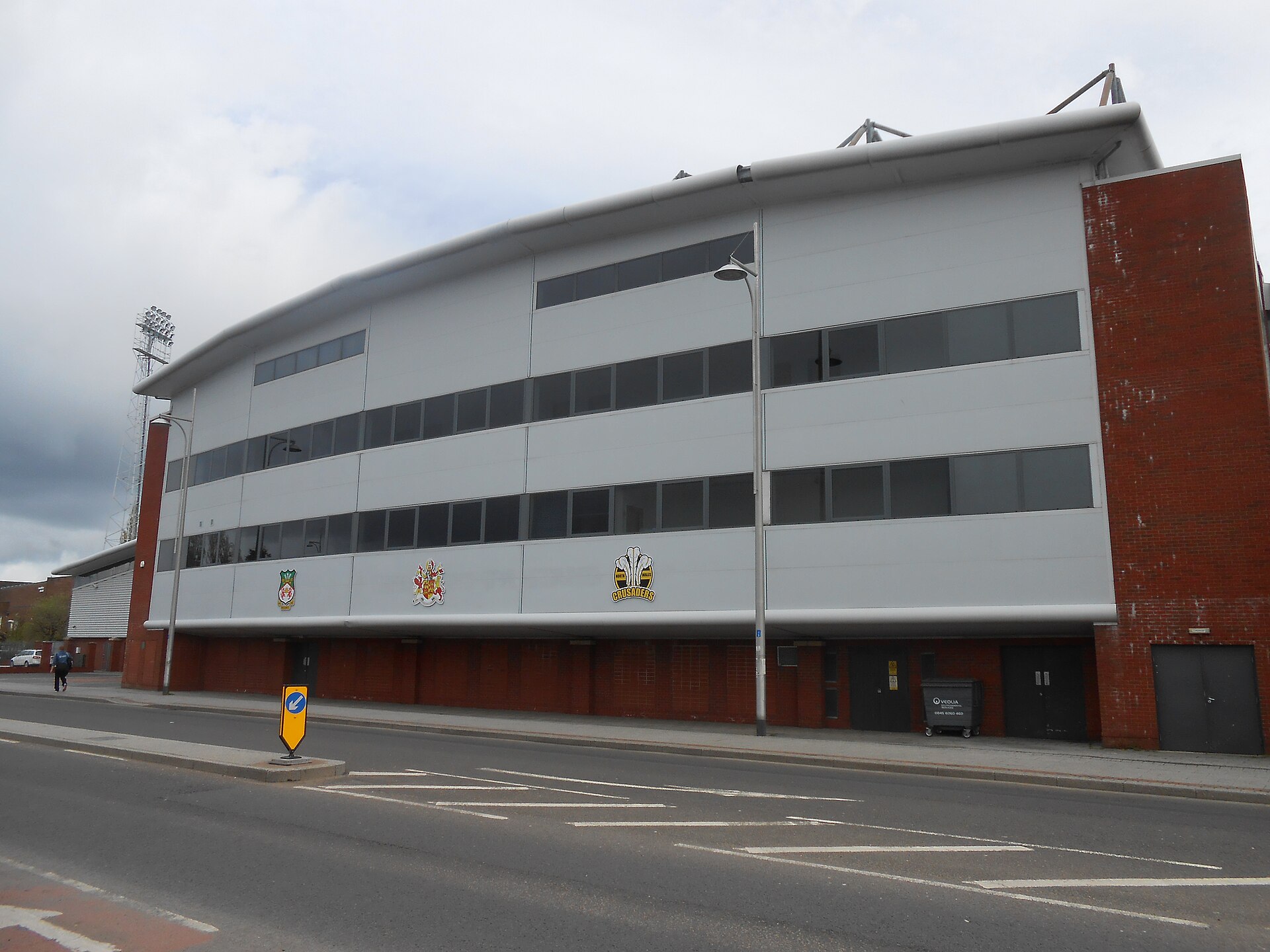
| The New Saints | £3.2M | £2.5M | Park Hall, 3G, UEFA, 15+ titles | £3.0-5.0M |
| Connah's Quay Nomads | £1.8M | £1.5M | Deeside Stadium, 3G, UEFA, European pedigree | £1.5-2.5M |
| Penybont | £1.4M | — | SDM Glass Stadium, 3G, UEFA | £1.0-1.8M |
| Haverfordwest County | £1.4M | — | Ogi Bridge Meadow, 4G (£500K installed 2024), UEFA | £1.0-1.8M |
| Cardiff Met | £1.1M | £450K | Cyncoed Campus, 3G, UEFA, university partnership | £800K-1.3M |
| Caernarfon Town | £800K | — | The Oval, natural, UEFA, highest attendance (820) | £500-900K |
| Barry Town United | £750K | — | Jenner Park, natural, UEFA, heritage brand | £400-800K |
| Bala Town | £700K | — | Maes Tegid, 3G, UEFA | £400-750K |
| Colwyn Bay | £500K | — | Llanelian Road, 3G | £200-400K |
| Flint Town United | £400K | — | Cae y Castell, natural | £150-300K |
| Briton Ferry Llansawel | £350K | — | Old Road, natural | £100-250K |
| Llanelli Town | £300K | — | Stebonheath Park (3,700 cap), natural | £100-250K |
Total estimated league value: £8.2-15.1M. The wide ranges reflect uncertainty in revenue sustainability (particularly European income), ground ownership status, and the subjective element of brand valuation.
What Drives Valuations Higher
UEFA Licensing Premium
Eight clubs hold UEFA licences: TNS, Connah's Quay, Penybont, Haverfordwest, Bala, Cardiff Met, Barry Town, and Caernarfon. This licensing status is a binary differentiator. A club with a UEFA licence can access European qualifying rounds where a single campaign can generate £100-600K in prize money. A club without a licence cannot, regardless of league position.
The valuation premium for UEFA licensing is estimated at £150-300K — roughly the cost of achieving licensing compliance plus a risk premium for the income it unlocks. For clubs without UEFA licences (Colwyn Bay, Flint, Briton Ferry, Llanelli), the investment required to achieve licensing represents one of the highest-return capital projects available. See the UEFA licensing requirements and FAW licensing guide.
European Revenue Track Record
TNS and Connah's Quay carry the highest valuations in part because they have demonstrated the ability to generate European income consistently. TNS's European campaigns add £500K-1M in annual revenue; Connah's Quay's add £300-600K. This revenue is volatile year-to-year but has been sustained over multiple seasons, justifying a higher multiple than clubs whose European income is theoretical.
For the full European revenue analysis, see the European qualification guide.
Infrastructure Quality
Clubs with modern artificial pitches (3G or 4G) command higher valuations than those on natural grass. The reasons are both operational (lower maintenance costs, zero postponements, community hire income) and strategic (artificial pitches meet UEFA standards more easily and generate year-round revenue).
| Pitch Type | Annual Maintenance | Hire Income | Postponement Risk | Valuation Impact |
|---|---|---|---|---|
| 3G Artificial | £15-25K | £20-50K | Near zero | +£100-200K |
| 4G Artificial | £20-30K | £25-60K | Near zero | +£150-250K |
| Natural Grass | £30-50K | Minimal | Significant | Baseline |
Haverfordwest's £500K 4G pitch installation in 2024 is the benchmark infrastructure investment. It upgraded the club's surface from natural to the league's most advanced while creating a revenue-generating community asset. See the artificial pitch guide and the stadium development ROI analysis.
Attendance and Community Base
Caernarfon Town's valuation (£500-900K) exceeds what its £800K revenue alone would suggest because the club's 820 average attendance — the highest in the league — represents a proven community asset. High attendance correlates with sponsor value, matchday revenue growth potential, and resilience to financial shocks (a large supporter base provides a floor for income). See the attendance trends analysis for league-wide data.
What Suppresses Valuations
Revenue Concentration
Clubs dependent on a single revenue source — whether European prize money, a single major sponsor, or an individual benefactor — face concentration risk that depresses valuations. An investor discounts future cash flows more heavily when those cash flows are uncertain. Diversified revenue models (balanced across broadcast, matchday, commercial, and European income) support higher multiples.
Ground Tenure Uncertainty
Clubs that do not own their grounds face existential risk. A lease expiration, rent increase, or landlord dispute can threaten a club's very existence. Ground ownership or long-term security of tenure is a material valuation factor. See the property ownership analysis for details on which clubs own versus lease their grounds.
Limited Financial Transparency
Despite improving disclosure through Companies House, some clubs file only abbreviated accounts that make accurate valuation difficult. Investors face information asymmetry — the seller knows more about the club's true financial position than the buyer. Robust due diligence is essential to bridge this gap.
Competitive Concentration
TNS's dominance (15+ titles, £3.2M revenue) creates a valuation ceiling for other clubs. If investors perceive that only TNS can consistently win the league and qualify for Europe's most lucrative competitions, they will discount the European revenue potential of other clubs. However, Connah's Quay's two titles demonstrate that the league is not a one-club monopoly.
Potentially Undervalued Clubs
Several clubs appear to trade below their underlying potential based on specific factors that the standard valuation methodology may underweight.
Caernarfon Town
With the league's highest attendance (820) and deepest community roots, Caernarfon's commercial revenue is underdeveloped relative to its supporter engagement. An investor who can convert community loyalty into commercial revenue — through improved sponsorship sales, matchday hospitality, and merchandising — could unlock value not reflected in the current £500-900K estimate.
Llanelli Town
Stebonheath Park's 3,700 capacity is the league's largest, yet Llanelli generates the lowest revenue (£300K). The mismatch between infrastructure capacity and commercial utilisation represents a significant growth opportunity. Llanelli's population and sporting heritage (rugby-dominant but with football tradition) could support a much larger operation than currently exists.
Haverfordwest County
The £500K 4G pitch investment in 2024 is not yet fully reflected in revenue. As the pitch generates increasing community hire income and the club leverages the infrastructure advantage for UEFA competition, revenue should grow — potentially pushing the valuation above the current £1.0-1.8M range.
For a broader analysis of undervalued clubs, see the undervalued clubs guide.
International Valuation Benchmarks
| League | Average Club Value | Revenue Multiple | European Access |
|---|---|---|---|
| Cymru Premier | £700K-1.3M | 1.0-2.0x | Yes |
| League of Ireland | £1-3M | 1.5-2.5x | Yes |
| Icelandic Urvalsdeild | €500K-1.5M | 1.0-2.0x | Yes |
| Scottish Championship | £2-8M | 2.0-3.0x | No |
| English National League | £1-5M | 1.5-3.0x | No |
| English League Two | £5-20M | 2.0-4.0x | No |
The Cymru Premier offers the lowest average valuations among leagues with direct European competition access. This is the core investment thesis: the cost of entry is comparable to English non-league, but the upside includes UEFA qualifying rounds that non-league clubs cannot access.
For detailed league comparisons, see the cheapest leagues to invest in and the Cymru Premier vs League of Ireland.
The Expansion Effect on Valuations
The expansion from 12 to 16 clubs will affect valuations in several ways.
For current clubs: More fixtures increase aggregate matchday and broadcast revenue, supporting higher valuations. Additional European qualification spots (likely expanding from 3-4 to 4-5) increase the probability that a given club qualifies for Europe, raising the expected value of European income.
For promoted clubs: Entering the Cymru Premier immediately adds £80-120K in broadcast revenue, access to higher-profile fixtures, and potential European qualification. Clubs promoted from the Cymru North or Cymru South will likely see their valuations increase 50-100% upon gaining top-flight status.
For investors: Acquiring a promotion contender before expansion and benefiting from the valuation uplift of top-flight entry is a viable strategy. See the expansion guide for candidates.
How to Use This Valuation Data
These estimates are starting points for negotiation, not definitive prices. Every club's actual transaction value depends on the specific circumstances of the sale — the seller's motivation, the buyer's ambitions, the club's undisclosed liabilities, and the competitive dynamics of the moment.
For investors moving from valuation to acquisition, the next steps are:
- Verify financials through Companies House filings and independent accounting review
- Assess infrastructure against FAW and UEFA licensing requirements
- Model total cost of ownership including debt, upgrades, and working capital (cost guide)
- Evaluate growth levers through attendance analysis, digital presence, and revenue breakdown
Sources and Methodology
Valuations are estimated using a blended methodology combining revenue multiples (1.0-2.0x, weighted 40%), asset-based valuations (squad, infrastructure, brand — weighted 30%), and comparable transaction analysis (weighted 30%). Revenue data is from Companies House filings and FAW financial statements. Squad valuations are from Transfermarkt (March 2026). Infrastructure data is from FAW licensing reports. Comparable transactions include recent Welsh football acquisitions and transactions in the League of Ireland, Icelandic Urvalsdeild, and Scottish lower leagues. All valuations are estimates for analytical purposes and should not be treated as formal appraisals. Independent professional valuation is recommended before any acquisition. Data is current as of March 2026.