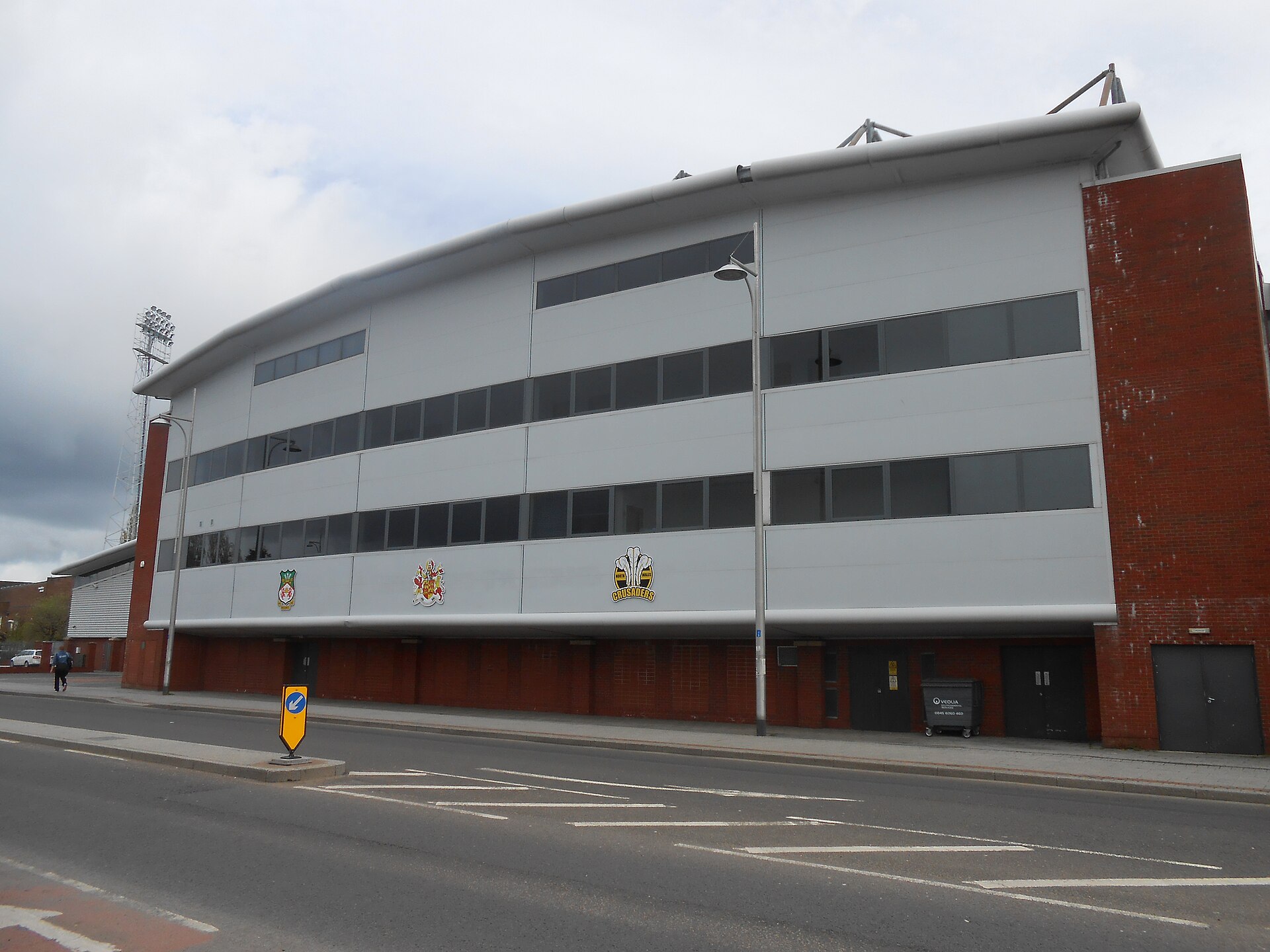

TL;DR: Companies House filings are the single most reliable public source for assessing a Welsh football club's financial health. TNS (Company No. 04402953) report revenues of approximately £3.2M, Connah's Quay operate via a foundation structure, and Penybont (08409732) show revenues around £1.4M. Most Cymru Premier clubs file micro-entity or small company accounts, which limits disclosure — but balance sheets, director loans, and corporate structures still reveal critical information for prospective investors.
Why Companies House Filings Matter
For anyone considering buying a Welsh football club, Companies House is where due diligence begins. These public filings — available free at companieshouse.gov.uk — disclose corporate structure, director appointments, financial accounts, and confirmation statements that collectively paint a picture of a club's fiscal health, governance quality, and ownership history.
Welsh football clubs operate under various legal structures. Some are private limited companies, others are community benefit societies, and a few operate through foundation or trust vehicles. The structure chosen affects everything from tax treatment to liability exposure to the ease with which an investor can acquire a controlling interest. Understanding these distinctions is essential before engaging in any acquisition conversation.
Unlike English Premier League clubs, where financial reporting is extensive and widely covered by media, Cymru Premier clubs file accounts that range from full statutory accounts to abbreviated micro-entity filings. This means the quality and depth of available financial data varies enormously from club to club.
Club-by-Club Filing Summary
Companies House Registration Data
| Club | Company Number | Company Type | Latest Filing Year | Est. Revenue |
|---|---|---|---|---|
| The New Saints FC | 04402953 | Private limited company | 2025-26 | £3.2M |
| Penybont FC | 08409732 | Private limited company | 2025-26 | £1.4M |
| Barry Town United | 06796885 | Private limited by guarantee (NSC) | 2025-26 | £500-700K |
| Bala Town FC | 07130083 | Private limited company | 2025-26 | £400-600K |
| Connah's Quay Nomads | Via Foundation | Community/Foundation structure | 2025-26 | £1.8M |
| Caernarfon Town FC | Various | Private limited company | 2025-26 | £400-600K |
| Haverfordwest County | Various | Private limited company | 2025-26 | £350-500K |
| Aberystwyth Town | Various | Private limited company | 2025-26 | £250-400K |
The table above summarises the corporate registrations we have verified. Investors should note that some clubs operate through multiple entities — a holding company, a trading company, and sometimes a separate community trust — which can make consolidated financial analysis more complex.
The New Saints (TNS) — Company No. 04402953
TNS are the Cymru Premier's financial benchmark. Their accounts reveal several features that set them apart:
Revenue composition. TNS's £3.2M in estimated revenue is built on four pillars: European competition prize money and broadcasting (which in good years contributes over £1M), the S4C/Sgorio domestic broadcast share (£80-120K), commercial partnerships including stadium naming rights (estimated £400-500K), and matchday income. The club's full-time playing model — unusual in the Cymru Premier — drives higher wage costs but also better European results, creating a virtuous cycle. For the full revenue breakdown, see our revenue analysis.
Balance sheet. TNS typically report positive net assets, reflecting sustained profitability and prudent financial management. Director loans, which at many smaller clubs represent the primary source of working capital, are less prominent in TNS's accounts.
Squad investment. Transfermarkt estimates TNS's squad value at approximately £2.5M — the highest in the league — reflecting investment in experienced professionals and international players. See our TNS investment profile for the complete picture.
Connah's Quay Nomads — Foundation Structure
Connah's Quay represent an unusual case study. The club operates through a foundation structure rather than a straightforward private limited company. This has implications for potential investors:
Governance. The foundation model provides community accountability but can complicate acquisition. An investor cannot simply buy shares; they need to engage with the foundation's governance framework, which may include community representation requirements.
Financial performance. Despite the structural complexity, Connah's Quay are the second-highest revenue generators in the league at an estimated £1.8M. Consistent European qualification — including memorable Conference League campaigns — has been the primary driver. Their investment profile explores the opportunity in detail.
Transparency. Foundation structures can actually provide greater transparency than some private limited company filings, as community accountability mechanisms require more regular and detailed reporting to stakeholders.
Penybont FC — Company No. 08409732
Penybont are the Cymru Premier's growth story. From promotion in 2020 to an estimated £1.4M revenue by 2025-26, the club's trajectory illustrates what ambitious ownership and professional management can achieve in Welsh football.
Revenue growth. Penybont's filings show consistent year-on-year revenue growth, driven by expanding commercial partnerships and improved matchday operations. The club's Bridgend location — within the M4 corridor catchment — provides access to a larger commercial sponsor base than many northern Welsh clubs. Our Penybont investment profile covers the details.
Infrastructure investment. The accounts reflect significant capital expenditure on facility improvements, which have both improved the matchday experience and brought the club closer to UEFA licensing standards.
Barry Town United — Company No. 06796885
Barry Town's corporate structure — private limited by guarantee with no share capital (NSC) — is worth particular attention. This structure means the club has no shareholders in the traditional sense; instead, it has members who guarantee the company's debts up to a specified amount (typically £1).
Implications for investors. Acquiring a guarantee company requires a different approach than buying shares. An investor would typically need to become a member, secure board positions, and potentially restructure the company — a process that requires legal expertise in not-for-profit corporate law. Our due diligence guide covers the legal considerations.
Financial position. Barry Town's accounts reflect a club with a proud history (multiple league titles in the early 2000s) that has rebuilt after administration. The current financial position is stable if modest, with revenue estimated at £500-700K. The Barry Town investment profile assesses the opportunity.
Bala Town FC — Company No. 07130083
Bala Town are a well-run, privately held club with a strong European track record relative to their size. Their filings show:
Conservative financial management. Bala's accounts typically show careful cost control, with wage-to-revenue ratios below the league average. This fiscal discipline has enabled the club to maintain Cymru Premier status without relying on unsustainable director subsidies.
European revenue impact. In seasons where Bala qualify for European competition, the revenue uplift is proportionally significant — European income can represent 15-25% of total turnover. See our Bala Town investment profile for the full analysis.
What to Look for in the Filings
Balance Sheet Red Flags
| Indicator | What It Signals | Risk Level |
|---|---|---|
| Negative net assets | Liabilities exceed assets; club may be technically insolvent | High |
| Large director loans | Club dependent on owner subsidy; sustainability risk if owner exits | Medium-High |
| Overdue creditors | Cash flow problems; potential for winding-up petitions | High |
| Minimal fixed assets | Club may not own its ground; lease risk | Medium |
| Year-on-year revenue decline | Structural problems with commercial model | Medium |
Balance Sheet Positive Signals
| Indicator | What It Signals | Confidence Level |
|---|---|---|
| Positive net assets growing year-on-year | Financial stability and growth trajectory | High |
| Low or no director loans | Self-sustaining operations | High |
| Fixed asset growth | Investment in infrastructure, likely ground ownership or improvements | Medium-High |
| Revenue diversification | Not dependent on a single income stream | High |
| Healthy current ratio (>1.0) | Ability to meet short-term obligations | High |
Key Line Items to Examine
Revenue (turnover). The headline figure, but context matters. A club reporting £1M in turnover in a year with a deep European run may drop to £500K the following season. Investors should look at revenue trends over three to five years, not a single filing. Our revenue breakdown disaggregates these figures by stream.
Staff costs. In football, wages are the largest expense category. Staff costs as a percentage of revenue is the critical ratio — anything above 70% signals a club that is spending beyond its means. In the Cymru Premier, most clubs sit in the 40-65% range, with full-time clubs like TNS at the higher end.
Director loans and related-party transactions. Many Welsh football clubs are sustained by director loans — personal funds injected by owner-directors to cover operating shortfalls. These loans appear on the balance sheet as creditors or are disclosed in notes to the accounts. A club with £200K in director loans on a £400K turnover is effectively 50% subsidised by its owner. For a potential buyer, these loans represent a negotiating point: will the seller write them off as part of the transaction, or will the buyer inherit the liability?
Fixed assets and ground ownership. Whether a club owns or leases its ground is one of the most important factors in any valuation. Owned grounds appear as fixed assets on the balance sheet; leased grounds do not. Our property ownership guide explores the implications.
Going concern notes. Auditors are required to flag if they have concerns about a company's ability to continue operating. A going concern qualification in a football club's accounts is a serious warning sign.
Filing Types and Disclosure Levels
| Filing Type | Revenue Disclosed | P&L Disclosed | Balance Sheet | Notes |
|---|---|---|---|---|
| Full statutory accounts | Yes | Yes | Yes | Most informative; rare for small clubs |
| Abbreviated accounts | No | No | Yes (abbreviated) | Common for small companies |
| Micro-entity accounts | No | No | Yes (minimal) | Least informative; increasingly common |
| Community interest company report | Varies | Varies | Yes | Additional community impact reporting |
Most Cymru Premier clubs qualify as small companies or micro-entities under Companies Act thresholds, which means they can file abbreviated or micro-entity accounts. These filings include a balance sheet but typically omit a profit and loss account and detailed revenue disclosure. This is why the revenue figures cited throughout our analysis are estimates based on multiple data sources, not figures pulled directly from statutory filings.
Investors conducting due diligence should request management accounts directly from the club. These internal financial statements provide the granular detail — monthly revenue, detailed cost breakdowns, cash flow forecasts — that public filings do not.
Corporate Structure Considerations
The legal structure of a Welsh football club directly affects how an acquisition is executed:
Private limited company (Ltd). The most common structure. An investor buys shares from existing shareholders. Clean, well-understood, and straightforward for legal advisors. TNS, Penybont, and Bala Town all operate under this model.
Private limited by guarantee (NSC). Barry Town's structure. No shares exist, so acquisition requires becoming a member and restructuring. More complex but not prohibitive.
Foundation/Trust. Connah's Quay's model. Community governance provisions may limit investor control. Requires careful negotiation to balance investment ambitions with community accountability.
Community benefit society. Some clubs, particularly at lower levels of the Welsh pyramid, operate as community benefit societies. These structures prioritise community ownership and may have statutory restrictions on profit distribution.
For a broader comparison of ownership models, see our football ownership models guide.
How to Access the Filings
Companies House filings are freely available at companieshouse.gov.uk. To find a club's filings:
- Search for the club name or company number in the Companies House search tool
- Navigate to the "Filing history" tab to see all submitted documents
- Review the most recent confirmation statement for current directors and registered address
- Download the latest accounts filing for financial data
- Check "People" for current and historical director appointments
For clubs where the company name differs from the trading name (common in football), searching by company number is more reliable. The company numbers listed in the table above provide direct access.
What This Means for Investors
Companies House filings are necessary but not sufficient for investment decisions. They provide the structural and financial foundation for due diligence, but the revenue estimates, competitive outlook, and growth potential require additional analysis. Our club valuations combine Companies House data with squad valuations, infrastructure assessments, and commercial potential to produce comprehensive investment-grade profiles.
For investors ready to move beyond desktop research, the due diligence guide outlines the full process from initial approach through to completion.
Methodology: Company numbers and filing data verified via Companies House (companieshouse.gov.uk) as of March 2026. Revenue estimates combine Companies House disclosed data (where available) with FAW financial statements, S4C/Sgorio broadcast data, Transfermarkt squad valuations, and Cymru Connect's proprietary analysis. Filing categories and disclosure levels reflect Companies Act 2006 requirements for small companies and micro-entities. All figures should be verified through direct due diligence with individual clubs.