TL;DR: Welsh football's oldest clubs predate the Cymru Premier by over a century. Wrexham (founded 1864, 23+ Welsh Cup wins), Bangor City (1876), and Barry Town (1892) built the foundations that the modern league inherited in 1992. Their histories are not merely sentimental — heritage drives brand value, fan loyalty, and commercial appeal in ways that newer clubs cannot replicate. Understanding this heritage is essential for investors evaluating the cultural capital embedded in Welsh football.
Heritage as an Investment Asset
In lower-league football, heritage is one of the few genuinely irreplaceable assets. A club's history cannot be manufactured, bought, or fast-tracked. Wrexham's 160-year story, Barry Town's European adventures, and Bangor City's north Wales cultural significance all create brand equity that transcends current league position or financial performance.
For investors, this matters in three practical ways: heritage clubs command higher sponsorship premiums (brands want association with established institutions), they retain fans through poor results (loyalty built over generations is more durable), and they attract media interest that newer clubs must work harder to earn.
This analysis traces the history of Welsh football's most significant clubs and maps how that heritage creates present-day commercial and strategic value.
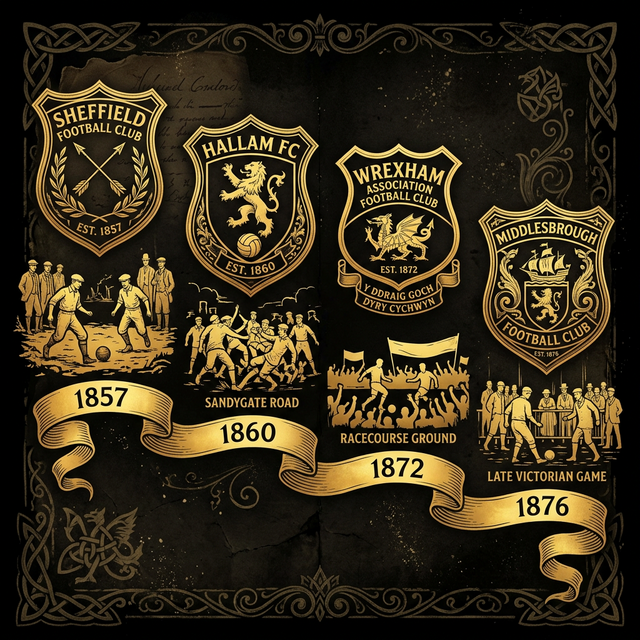
Timeline: Key Dates in Welsh Football History
| Year | Event | Significance |
|---|---|---|
| 1864 | Wrexham AFC founded | Oldest club in Wales, third oldest in the world |
| 1876 | Bangor City founded | Oldest club in north Wales |
| 1877 | First Welsh Cup competition | Oldest national cup competition after the FA Cup |
| 1892 | Barry Town United founded | Would later dominate the early Cymru Premier era |
| 1904 | Cardiff City founded | Wales's largest city club, 22+ Welsh Cup wins |
| 1907 | Swansea City founded | South Wales rivals to Cardiff City |
| 1910 | Newport County founded | Completed the "Big Four" of south Wales football |
| 1959 | The New Saints' predecessor formed | Would become the modern Cymru Premier's dominant force |
| 1992 | League of Wales founded | Unified national league replacing regional competitions |
| 2002 | Rebranded as Welsh Premier League | Modernisation of identity and branding |
| 2019 | Rebranded as Cymru Premier | Current identity, aligned with FAW strategy |
| 2026 | Expansion to 16 clubs announced | Most significant structural change since 1992 |
The Founding Clubs: Pre-1900
Wrexham AFC (1864)
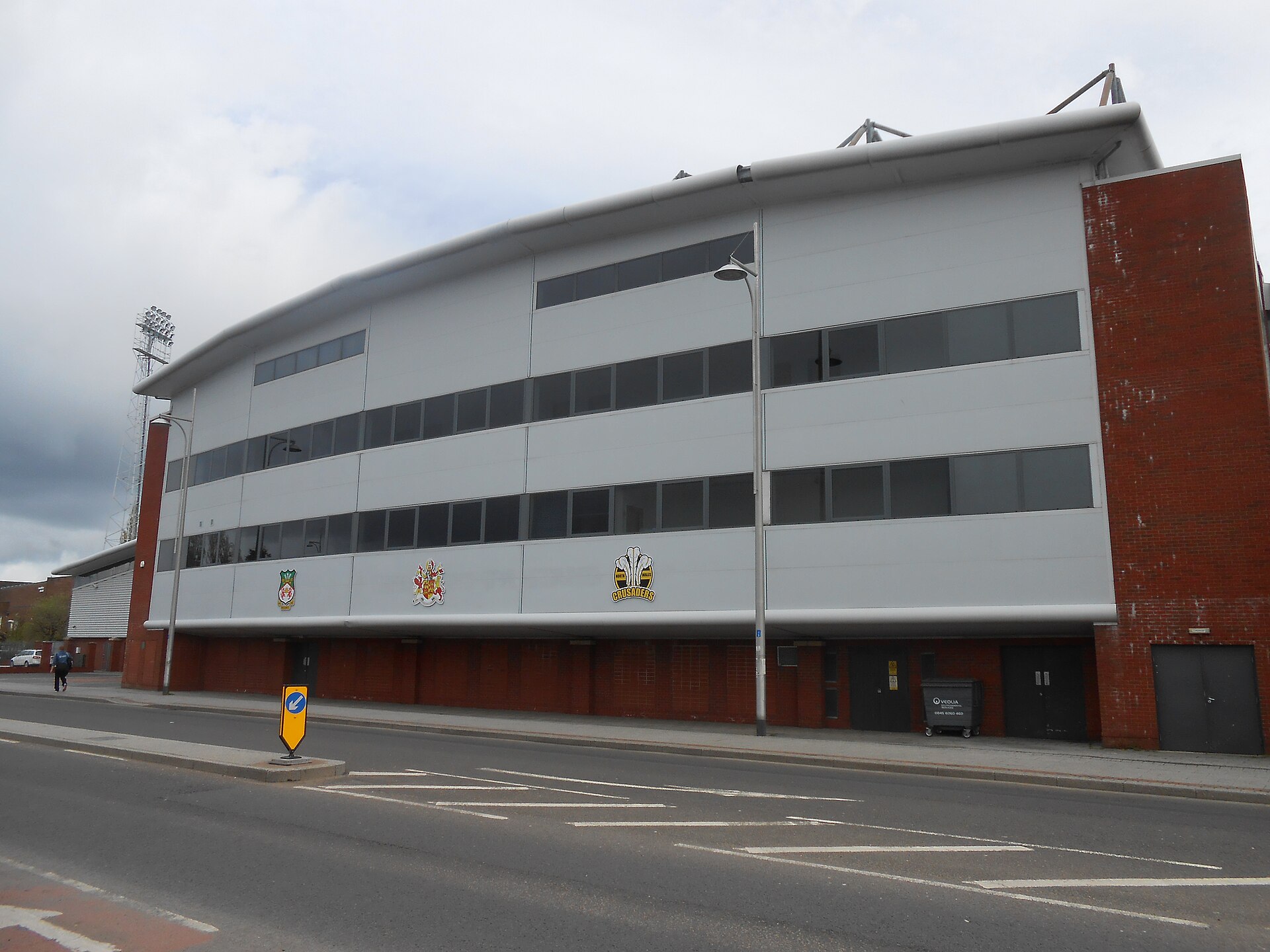
Wrexham is not merely Wales's oldest football club — it is one of the oldest in the world, predating the Football Association's founding rules by only a year. The club's 160-year history includes:
- 23+ Welsh Cup wins — the all-time record
- Continuous existence since 1864, surviving two world wars, multiple financial crises, and relegation to non-league football
- FA Cup giant-killing tradition — including victories over Premier League and top-flight opponents
- The Racecourse Ground — one of the oldest international football venues in the world, hosting Wales international matches since 1877
The modern chapter is dominated by the "Wrexham effect" — the club's acquisition by Ryan Reynolds and Rob McElhenney in 2020, which triggered a global media phenomenon, drove attendance up by over 100%, and created a case study in how celebrity ownership can transform lower-league football economics. The Wrexham effect has had spillover benefits across Welsh football, with attendance trends showing 30-50% growth at clubs that have capitalised on the increased visibility.
Bangor City FC (1876)
Founded twelve years after Wrexham, Bangor City holds a unique position in north Wales football. The club's significance extends beyond its sporting record:
- Cultural anchor in a Welsh-speaking heartland — Bangor City's identity is intertwined with the Welsh language and north Wales cultural identity
- Founding member of the League of Wales in 1992
- European competition — Bangor City have represented Wales in European club competition multiple times
- Community ownership — the club has navigated financial difficulties through community support and fan involvement, providing a model for community ownership in Welsh football
Bangor's history illustrates a pattern common in Welsh football: clubs in smaller communities carry a cultural weight disproportionate to their financial resources. This makes them attractive to investors who understand that community value and brand loyalty can be monetised through engagement rather than pure matchday revenue.
Other Pre-1900 Clubs
Several other clubs with pre-1900 origins have contributed to Welsh football's heritage, including Chirk AAA (1876), Druids FC (1869), and Newtown AFC (1875). While some have fallen through the pyramid, their longevity demonstrates the deep roots of organised football in Wales.
The Early Cymru Premier Era: Barry Town's Dominance (1992-2003)
When the League of Wales launched in 1992, its credibility was uncertain. Wales's largest clubs — Cardiff City, Swansea City, Newport County, and Wrexham — remained in the English football system, leaving the new Welsh league without its most recognisable names.
Barry Town United filled the vacuum. Between 1996 and 2003, Barry Town won seven league titles, transforming the new league's competitive credibility and generating European competition for Welsh clubs.
| Season | Barry Town League Position | European Campaign |
|---|---|---|
| 1996-97 | Champions | UEFA Cup qualifying |
| 1997-98 | Champions | Champions League qualifying |
| 1998-99 | Champions | Champions League qualifying |
| 1999-00 | Champions | Champions League qualifying |
| 2000-01 | Champions | Champions League qualifying |
| 2001-02 | Champions | Champions League qualifying |
| 2002-03 | Champions | Champions League qualifying |
Barry's European campaigns, while ending in early qualifying rounds against superior opposition, established the principle that Welsh league clubs could compete on the continental stage. This pathway remains central to the Cymru Premier's investment appeal.
Barry Town's subsequent financial collapse and drop through the pyramid also serves as a cautionary tale: unsustainable spending to maintain dominance created debts that nearly destroyed the club. Modern investors should study Barry's history for both its successes and its warnings. For the current investment profile, see the Barry Town United Investment Profile.
The TNS Era: Professional Standards (2004-Present)
The New Saints' rise to dominance parallels the Cymru Premier's modernisation. With 15+ league titles, TNS has established standards that have pulled the entire league upward.
| TNS Metric | Value | League Significance |
|---|---|---|
| League titles | 15+ | More than any other club in Cymru Premier history |
| Revenue | £3.2M | Highest in the league by significant margin |
| Squad value | £2.5M | Sets the benchmark for squad investment |
| European campaigns | 20+ seasons | Most consistent Welsh representative in Europe |
| Park Hall capacity | 3,000 | Purpose-built modern facility |
TNS's significance extends beyond their dominance. Their professional approach to commercial operations, youth development, and European preparation has set benchmarks that other clubs now aspire to. The TNS Investment Profile provides detailed financial analysis.
How Heritage Creates Commercial Value
Brand Recognition and Media Interest
Heritage clubs command disproportionate media attention. Wrexham's global profile demonstrates the extreme case, but even within Wales, clubs with long histories receive more coverage, more social media engagement, and more search traffic than their sporting results alone would warrant.
| Club | Founded | Estimated Social Media Following | Media Mentions (monthly avg.) |
|---|---|---|---|
| Wrexham | 1864 | 500K+ (global, all platforms) | 1,000+ |
| Barry Town | 1892 | 5K-10K | 50-100 |
| Bangor City | 1876 | 8K-15K | 40-80 |
| TNS | 1959 | 15K-25K | 100-200 |
| Newer Cymru Premier clubs | 2000s | 2K-8K | 20-40 |
Fan Loyalty and Intergenerational Support
Clubs with century-plus histories benefit from multigenerational fan relationships. Grandparents who watched the club in the 1970s bring grandchildren to matches in the 2020s — creating a self-reinforcing attendance base that newer clubs cannot replicate. This loyalty translates directly to commercial value: season ticket renewals, merchandise purchases, and donation income are all more resilient at heritage clubs.
Sponsorship Premium
Sponsors value heritage because it provides brand association with permanence and community roots. A local business sponsoring a 150-year-old football club benefits from the implied stability and community trust that the club's longevity represents.
For detailed analysis of sponsorship economics, see the Sponsorship ROI Guide and the Sponsorship Categories Overview.
The Welsh Cup: Football's Second-Oldest National Cup
The Welsh Cup, first contested in 1877, is the second-oldest national cup competition in the world (after the FA Cup, first played in 1871-72). Its history provides a record of Welsh football's evolution:
| Era | Dominant Clubs | Significance |
|---|---|---|
| 1877-1920 | Wrexham, Druids, Chirk | Early establishment of organised competition |
| 1920-1960 | Wrexham, Cardiff City, Swansea | Cross-border clubs dominate |
| 1960-1990 | Cardiff City, Wrexham, Newport | Big Four era |
| 1990-2005 | Barry Town, TNS, Wrexham | Cymru Premier clubs reclaim the Cup |
| 2005-present | TNS, Wrexham, various | Broader distribution of winners |
The Welsh Cup remains the gateway to European competition for non-league champions, making its history directly relevant to the European qualification pathway. For a complete Cup history, see the Welsh Cup History guide.
Heritage and the 2026/27 Expansion
The Cymru Premier's expansion to 16 clubs may bring additional heritage clubs into the top flight. Clubs with long histories in Cymru North and Cymru South — including some with pre-1900 origins — could add further historical depth to the league.
For investors evaluating promoted clubs, heritage should be weighed as a factor in the due diligence process. A club with 100+ years of community presence comes with embedded brand value, established fan relationships, and cultural significance that a recently formed club lacks. This heritage does not guarantee financial success, but it provides a foundation for commercial development that would take decades to build from scratch.
What Heritage Means for Investors
The practical investment implications of Welsh football heritage are:
- Higher baseline fan engagement — heritage clubs retain fans through poor results, providing more stable attendance and revenue
- Sponsorship premium — brands pay more to associate with established institutions
- Media and content value — historical narratives generate content opportunities (documentaries, books, social media series)
- Community goodwill — heritage clubs are embedded in local identity, creating political and social capital that supports planning applications, grant funding, and community partnerships
- Risk mitigation — clubs that have survived for 100+ years have demonstrated institutional resilience
For a complete list of current investment opportunities, see the Best Cymru Premier Clubs to Invest In and the Club Valuations analysis. For broader historical context, see Welsh Football History and Heritage Value.
Sources: FAW historical records, Welsh Football Data Archive, club official histories, Companies House filings (where applicable). Trophy counts represent all-time records through the 2025-26 season. Social media and media mention estimates are indicative and based on Cymru Connect monitoring (January-March 2026). Data compiled by Cymru Connect Research, March 2026.