TL;DR: 8 of 12 Cymru Premier clubs hold full FAW licences, with 3 pending and 1 at risk. Licensing compliance is the gateway to European competition and directly affects club valuations. As the league expands to 16 teams in 2026/27, the licensing framework is tightening — creating both risk for non-compliant clubs and opportunity for investors who can fund the upgrades required.
Why Licensing Matters
FAW licensing determines which clubs can compete domestically at the top level and, critically, which can qualify for European competition. The UEFA club licensing system operates through national associations, and in Wales, the FAW administers a framework that covers infrastructure, financial transparency, youth development, and governance.
For investors, licensing status is one of the most important due diligence factors. A club without a full licence cannot enter the UEFA Champions League or Europa Conference League qualifying rounds — cutting off the broadcast exposure, prize money, and commercial opportunities that European campaigns generate. The due diligence guide covers the full pre-acquisition checklist.
Current Licensing Status Across the Cymru Premier
| Status | Number of Clubs | Implication |
|---|---|---|
| Full FAW licence | 8 | Eligible for European competition |
| Pending licence | 3 | Meeting most criteria, specific shortfalls identified |
| At-risk licence | 1 | Significant compliance gaps |
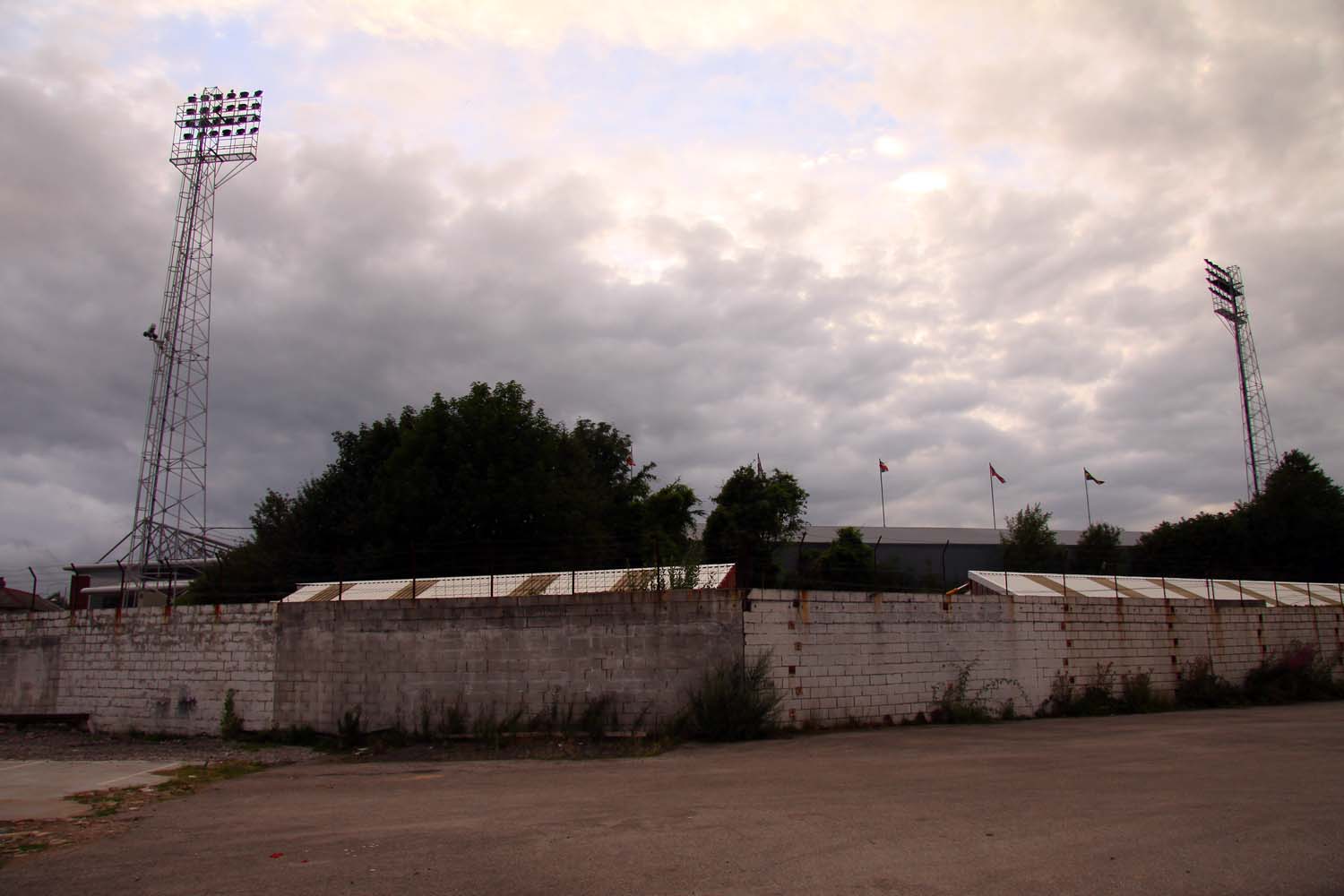
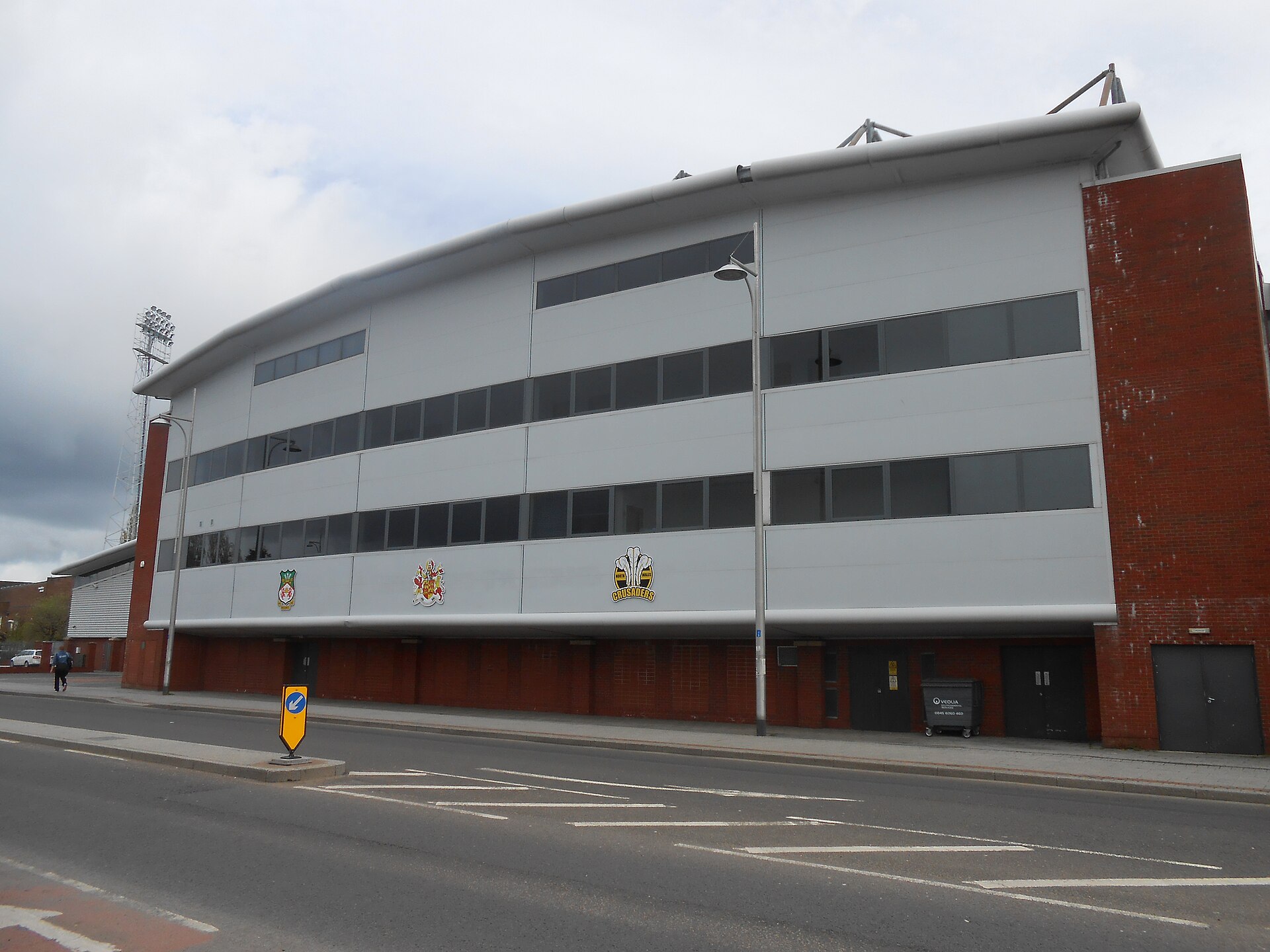
| UEFA-compliant stadiums | 8 | Meet minimum requirements for European home matches |
| 3G/4G pitches in use | 8 clubs (67%) | Artificial surfaces accepted under FAW rules |
The three clubs with pending licences represent a specific investment opportunity: an incoming owner who can address the identified shortfalls — typically infrastructure-related — can unlock European eligibility and the associated revenue uplift. See our club investment profiles for club-by-club analysis.
The Four Pillars of FAW Licensing
Pillar 1: Infrastructure
Infrastructure requirements cover the physical facilities a club must maintain. These standards are tiered — domestic competition requires a baseline, while European qualification demands additional specifications.
| Requirement | Domestic Standard | European Standard | Typical Cost to Achieve |
|---|---|---|---|
| Seated capacity | 500 minimum | 1,000 minimum | £50K-£200K (temporary seating) |
| Floodlighting | 500 lux | 800+ lux | £20K-£100K |
| Safety certification | Local authority approval | UEFA safety officer inspection | £5K-£15K |
| Media facilities | Basic press area | Designated media room, camera positions | £10K-£30K |
| Changing rooms | Home and away | Home, away, and officials | £15K-£40K |
| Medical facilities | First aid room | Equipped medical room with ambulance access | £5K-£20K |
The floodlight installation guide breaks down lighting costs in detail. For broader stadium analysis, see the stadium development ROI report and the stadium guide.
67% of Cymru Premier clubs now play on artificial pitches, which brings specific advantages: all-weather playability, reduced maintenance costs, and community hire revenue. The artificial pitch investment analysis covers the business case. Haverfordwest County's £500K 4G pitch project, completed in 2024, is a model for how clubs can upgrade facilities while generating non-matchday revenue.
Pillar 2: Financial Stability
Financial licensing requirements ensure clubs operate sustainably. The FAW requires:
- Audited financial statements submitted annually
- No overdue payables to players, staff, tax authorities, or other clubs
- Companies House filings up to date (see our Companies House analysis)
- Proof of going concern — evidence the club can meet its obligations for at least 12 months
- Budget projections for the coming season demonstrating financial viability
| Financial Metric | League Range | Best-in-Class | Source |
|---|---|---|---|
| Annual revenue | £0.7M-£3.2M | £3.2M (TNS) | Companies House, Cymru Connect analysis |
| Wage-to-turnover ratio | 36%-75% | 36% (Cardiff Met) | Cymru Connect analysis |
| Matchday revenue per season | £50K-£100K | £100K+ (Caernarfon) | Cymru Connect analysis |
| Broadcast revenue (S4C/Sgorio) | £80K-£120K per club | — | S4C published data |
Financial health correlates directly with club valuation and investment attractiveness. The investment returns analysis quantifies how financial stability affects long-term value creation, while the revenue breakdown shows where Cymru Premier clubs generate income.
Pillar 3: Youth Development
Active youth academies contributing first-team minutes are a licensing requirement. The FAW has progressively raised the bar on youth development standards, reflecting UEFA's emphasis on homegrown talent.
Key requirements include:
- Structured youth programme from U12 to U19 age groups
- Qualified coaching staff with UEFA B licence minimum at academy level
- First-team pathway demonstrating that academy graduates receive meaningful minutes
- Educational welfare provisions for players under 18
- Partnership arrangements with schools or educational institutions
Cardiff Met's 45% academy minute share (FAW youth development reports) sets the benchmark for the league. Their university model — where student-athletes play competitively while pursuing degrees — represents an innovative approach to talent development that keeps costs low. The Cardiff Met model analysis examines this in detail.
| Club | Academy Minute Share | Youth Programme Size | Coaching Qualification Level |
|---|---|---|---|
| Cardiff Met | 45% | 60+ players | UEFA A (head), UEFA B (assistants) |
| TNS | 25% | 80+ players | UEFA Pro (head), UEFA A (assistants) |
| Connah's Quay | 20% | 50+ players | UEFA A (head), UEFA B (assistants) |
| League average | 20-25% | 40-60 players | UEFA B minimum |
For a broader view of talent development across the league, see the best academy clubs ranking and the talent pipeline scouting guide.
Pillar 4: Governance
Board structures and operational governance must align with FAW and UEFA criteria. Requirements cover:
- Board composition: minimum number of directors, independence requirements
- Safeguarding policies: DBS checks, designated safeguarding officers
- Anti-discrimination policies: aligned with FIFA/UEFA standards
- Conflict of interest declarations: particularly relevant for multi-club ownership
- Transparent ownership structure: beneficial owners must be declared to the FAW
Governance requirements are increasingly relevant as international investors enter Welsh football. The ownership models comparison examines how different governance structures affect club operations, and the American investors guide addresses specific regulatory considerations for overseas buyers.
The 2026/27 Expansion: Licensing Implications
The Cymru Premier's expansion from 12 to 16 teams in 2026/27 creates specific licensing dynamics:
- Four promoted clubs must meet Cymru Premier licensing standards — a significant step up from Cymru North/South requirements
- Existing clubs face re-licensing under potentially updated criteria
- The FAW is expected to offer transitional provisions for newly promoted clubs, with a compliance timeline of 1-2 seasons
- Infrastructure investment at promoted clubs will be essential — most will need stadium upgrades to meet minimum standards
The expansion guide analyses which clubs are likely to gain promotion and their readiness for top-tier licensing. The ground grading requirements detail the specific standards at each level of the Welsh football pyramid.
Licensing as an Investment Framework
For investors evaluating Cymru Premier clubs, licensing status provides a structured framework for assessing risk and opportunity:
| Licence Status | Risk Level | Opportunity | Investor Action |
|---|---|---|---|
| Full licence | Low | European revenue access | Maintain compliance, optimise commercial |
| Pending licence | Medium | Infrastructure investment unlocks European access | Fund specific upgrades, target 1-2 season compliance |
| At-risk licence | High | Deep value if compliance achievable | Detailed cost analysis, FAW engagement before acquisition |
| No licence (promoted clubs) | Variable | Ground-floor opportunity with expansion | Assess total compliance cost vs. European revenue potential |
The clubs pending licensing represent both risk and opportunity. Investors who can fund infrastructure improvements — typically £100K-£300K for the most common shortfalls — unlock European eligibility and the commercial uplift that follows. The club benchmarking data provides the comparative framework for evaluating each club's position.
European Competition Revenue Impact
Licensing compliance is not merely regulatory box-ticking — it directly determines access to revenue streams:
| Revenue Source | Annual Value (Est.) | Requires Full Licence |
|---|---|---|
| UEFA solidarity payments | £20K-£50K | Yes |
| European match gate receipts | £10K-£30K per round | Yes |
| Broadcast exposure (European) | Difficult to quantify, significant brand impact | Yes |
| Sponsor premium (European club) | 20-40% uplift on domestic rates | Yes |
| S4C/Sgorio domestic broadcast | £80K-£120K | No (domestic licence) |
For the detailed commercial analysis of European qualification, see European qualification and investment.
Analysis based on FAW licensing committee reports, UEFA club licensing regulations, Companies House filings, and Cymru Connect internal research. Data current as of March 2026. Specific club licensing statuses are subject to annual FAW review cycles.