TL;DR: Cymru Premier clubs offer four main sponsorship tiers -- shirt deals (£10K-£100K+), stadium naming rights (£15K-£75K/year), matchday packages (£2K-£15K), and digital partnerships (£3K-£25K). Sponsorship accounts for roughly 23% of total club revenue, with total commercial packages ranging from £30K for smaller clubs to £500K+ for TNS. The league's expansion to 16 teams in 2026/27 is creating new inventory across all categories.
The Commercial Landscape in Welsh Football
Welsh football's commercial ecosystem is undergoing a structural shift. As the Cymru Premier expands from 12 to 16 teams and broadcast reach grows through S4C/Sgorio partnerships, clubs are diversifying their sponsorship offerings beyond the traditional shirt deal. Sponsorship now accounts for approximately 23% of total club revenue, with individual club totals ranging from £30K at the smaller end to over £500K for The New Saints.
For brands and investors evaluating the Welsh football market, understanding the available sponsorship categories -- and their relative value -- is essential. This guide breaks down the four primary tiers, their pricing structures, and the strategic considerations for each.
Sponsorship Revenue in Context
Before examining individual categories, it is worth understanding where sponsorship sits within the broader revenue picture. Our club revenue breakdown provides the full picture, but the summary position is as follows:
| Revenue Stream | Share of Total Revenue | Typical Range per Club |
|---|---|---|
| Matchday income | 25-35% | £20K-£150K |
| Sponsorship & commercial | 20-30% | £30K-£500K+ |
| Broadcasting (S4C/Sgorio) | 15-25% | £80K-£120K |
| European competition | 5-15% (qualifying clubs) | £50K-£200K |
| Grants & FAW distributions | 10-20% | £30K-£80K |
| Other (merchandise, facility hire) | 5-10% | £10K-£50K |
The critical insight for sponsors is that Welsh football remains commercially underleveraged. Most clubs have significant unsold inventory across all categories, meaning first-movers can negotiate category exclusivity and favourable multi-year terms.
Category 1: Shirt Sponsorship
Shirt sponsorship remains the most visible and sought-after category in Welsh football. The sponsor's logo appears on every matchday kit, in all broadcast footage on S4C/Sgorio, across club social media, and in press photography. For a deep dive into current deals, see our shirt sponsorship analysis.
Pricing Structure
| Club Tier | Front-of-Shirt Deal | Sleeve/Back Sponsor | Training Kit Sponsor |
|---|---|---|---|
| Top tier (TNS, Connah's Quay) | £50K-£100K+/year | £15K-£30K/year | £10K-£20K/year |
| Mid tier (Penybont, Caernarfon) | £15K-£40K/year | £5K-£12K/year | £3K-£8K/year |
| Lower tier (newly promoted) | £10K-£20K/year | £3K-£7K/year | £2K-£5K/year |
What Drives Shirt Sponsorship Value
Several factors determine a club's shirt sponsorship pricing:
- Broadcast exposure: Clubs that feature regularly in S4C/Sgorio's match selections command higher rates. Title contenders and clubs in European competition receive disproportionate airtime.
- European competition: UEFA Champions League and Conference League qualifiers offer continental broadcast exposure, significantly multiplying the value of a shirt deal. See our European qualification guide for which clubs currently hold these positions.
- Social media reach: Clubs with strong digital presences can demonstrate reach beyond matchday attendees. Our digital presence rankings show significant variation between clubs.
- Attendance figures: Higher attendance means more eyeballs on matchday. Attendance trends show the "Wrexham effect" lifting figures across the league.
Strategic Considerations
Shirt sponsorship offers the highest visibility but also the highest cost. For brands seeking maximum exposure on a limited budget, sleeve or training kit deals offer a lower entry point with meaningful visibility. Multi-year contracts (typically 2-3 years) offer discounts of 10-20% compared to single-season deals.
Category 2: Stadium Naming Rights
Stadium naming rights represent the longest-term brand association available in Welsh football. Deals typically span 3-5 years and embed the sponsor's name into every reference to the ground -- in commentary, press coverage, club communications, and wayfinding signage.
Pricing Structure
| Ground Category | Annual Naming Rights Fee | Typical Contract Length |
|---|---|---|
| UEFA-licensed grounds (3,000+ capacity) | £30K-£75K/year | 3-5 years |
| Mid-tier grounds (1,500-3,000 capacity) | £15K-£40K/year | 3-5 years |
| Smaller grounds (under 1,500 capacity) | £8K-£20K/year | 2-3 years |
For a full overview of grounds and their capacity profiles, see our stadium guide and the stadium development ROI analysis.
What Naming Rights Include
A typical naming rights package in the Cymru Premier includes:
- Ground name: All official references to the stadium use the sponsor's name.
- Signage: External and internal branded signage, including entrance gates, concourse areas, and pitch-facing boards.
- Broadcast integration: S4C/Sgorio commentators use the sponsored name during broadcasts.
- Digital presence: The ground name appears on the club website, social media, Google Maps listings, and ticketing platforms.
- Hospitality access: Most naming rights deals include a VIP hospitality allocation for home matches.
The Emerging Opportunity
Only a handful of Cymru Premier clubs have active naming rights deals, leaving a significant opportunity for brands. As the league expands and clubs invest in stadium upgrades to meet FAW licensing requirements, newly developed or refurbished grounds offer particularly attractive naming rights propositions. A brand that secures naming rights ahead of a major redevelopment locks in a lower rate while benefiting from increased future exposure.
Category 3: Matchday Sponsorships
Matchday sponsorships offer direct engagement with fans at the ground. These packages target businesses seeking local brand building and corporate hospitality, rather than broad broadcast exposure.
Pricing Structure
| Matchday Package | Cost per Match | Season Package (15-18 home matches) |
|---|---|---|
| Match ball sponsor | £150-£500 | £2K-£7K |
| Man of the match sponsor | £100-£300 | £1.5K-£5K |
| Pitch-side advertising board | N/A (season-long) | £3K-£15K |
| Programme advertising (full page) | £50-£150 | £750-£2.5K |
| Matchday hospitality package | £200-£500 per match | £3K-£8K |
| PA announcements & tannoy | £100-£250 per match | £1.5K-£4K |
Fan Engagement Value
Matchday sponsorship is distinct from shirt or stadium deals in that it creates direct, repeated touchpoints with supporters. Match ball sponsors are announced over the PA system, presented on the pitch at half-time, and featured in social media match reports. For local businesses, this creates a personal connection that broadcast-level sponsorship cannot replicate.
Hospitality Integration
Several clubs now offer integrated hospitality packages that combine matchday sponsorship with corporate entertaining. For clubs with upgraded facilities, these packages can include pre-match dining, pitch-side seating, and post-match player access. As clubs invest in stadium development, the quality and revenue potential of these packages is improving.
Category 4: Digital and Social Media Partnerships
The fastest-growing sponsorship category in Welsh football is digital. Clubs are increasingly monetising their social media channels, websites, and email databases. For brands targeting younger demographics or audiences beyond the local catchment area, digital partnerships offer scalable reach without geographical constraints.
Pricing Structure
| Digital Package | Annual Cost |
|---|---|
| Website banner advertising | £3K-£10K |
| Social media post sponsorship (per post) | £100-£500 |
| Social media season partnership | £5K-£25K |
| Email newsletter sponsorship | £2K-£8K |
| Video content partnership | £5K-£20K |
| E-commerce integration | Revenue share (5-15%) |
The Digital Growth Story
Welsh football clubs' digital audiences have grown significantly, driven by the broader Wrexham effect and improving club social media strategies. Our digital presence rankings and social media strategy guide document this trajectory. Key metrics include:
- Average club social media following: 5,000-50,000 across platforms (varies significantly by club).
- Engagement rates: 3-8%, substantially higher than industry averages for accounts of comparable size.
- Video content views: Match highlights and behind-the-scenes content routinely reach 10,000-100,000 views.
Why Digital Partnerships Are Undervalued
Most Cymru Premier clubs are only beginning to monetise their digital presence. Engagement rates are high, but commercial activation is low. This creates a window for digitally savvy sponsors to secure long-term partnerships at rates that will look increasingly favourable as clubs' digital audiences continue to grow.
Bundled and Bespoke Packages
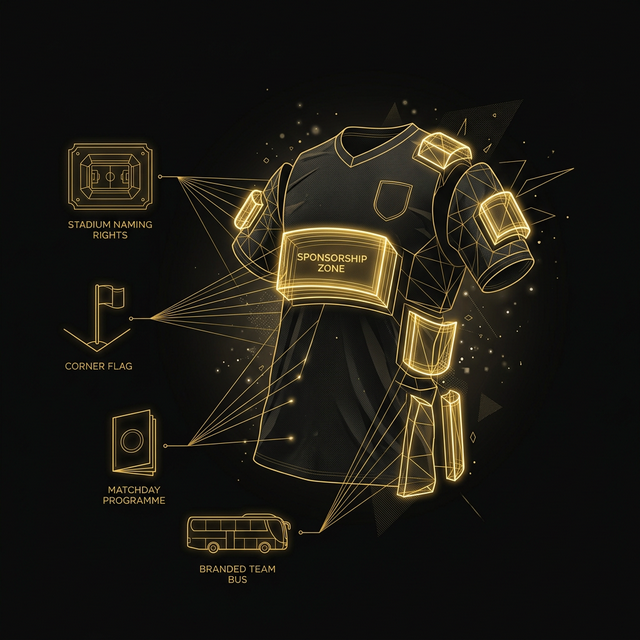
The most effective sponsorship approach in Welsh football is increasingly the bundled package. Forward-thinking clubs combine elements from multiple categories into a single commercial proposition, tailored to the sponsor's objectives.
Example Bundle Structures
| Package Tier | Components | Typical Annual Value |
|---|---|---|
| Platinum | Front-of-shirt + naming rights + matchday hospitality + digital partnership | £80K-£200K+ |
| Gold | Sleeve/back sponsor + pitch-side boards + social media partnership + hospitality | £30K-£80K |
| Silver | Training kit + programme advertising + digital banners + match ball sponsorship | £15K-£40K |
| Bronze | Pitch-side board + PA announcements + social media mentions | £5K-£15K |
For guidance on evaluating a club's commercial inventory, see our sponsorship inventory audit template. For the full pricing picture across the league, refer to our sponsorship costs breakdown.
Comparative Context: How Welsh Sponsorship Stacks Up
Welsh football sponsorship values remain significantly below comparable leagues, which represents both the current market reality and the growth opportunity:
| League | Average Sponsorship per Club | Average Attendance |
|---|---|---|
| Cymru Premier | £80K-£200K | 400-600 |
| League of Ireland Premier | £150K-£400K | 2,000-4,000 |
| Scottish Championship | £400K-£600K | 1,000-3,000 |
| Icelandic Urvalsdeild | £100K-£250K | 1,000-1,500 |
For a detailed benchmarking analysis, see our Welsh vs Scottish Championship comparison and our global benchmarking report.
The Women's and Futsal Opportunity
Sponsorship categories in the men's game are mirrored -- at significantly lower price points -- in Welsh women's football and Welsh futsal. The Adran Premier and the FAW Futsal League both offer near-virgin commercial territory, with most clubs having zero dedicated commercial partners.
For brands seeking category exclusivity, the women's and futsal markets offer the lowest entry costs and the most favourable terms. See our women's sponsorship ROI analysis and futsal sponsorship guide for detailed breakdowns.
Expert Perspective
"Clubs are increasingly packaging sponsorships creatively, bundling digital, matchday, and broadcast elements to align with brand objectives. The clubs that present a coherent commercial proposition -- rather than selling individual assets piecemeal -- are the ones securing the best deals."
-- an FAW commercial development officer
Conclusion
Welsh football's sponsorship landscape is maturing but remains commercially underleveraged relative to comparable European leagues. The expansion to 16 teams, growing broadcast reach, and the Wrexham-driven visibility surge are all driving values upward. For sponsors, the current window offers category exclusivity, favourable multi-year terms, and genuine first-mover advantages -- particularly in the women's and futsal markets.
The key strategic decision for any prospective sponsor is whether to pursue a single high-visibility asset (shirt or naming rights) or a bundled package that maximises touchpoints across matchday, digital, and broadcast channels.
Sources: FAW commercial reports (2025-26), Cymru Connect internal analysis (March 2026), club financial disclosures via Companies House, S4C/Sgorio broadcast data. Pricing estimates are based on disclosed deals, industry benchmarks, and confidential commercial conversations. Actual deal values may vary by club and negotiation.