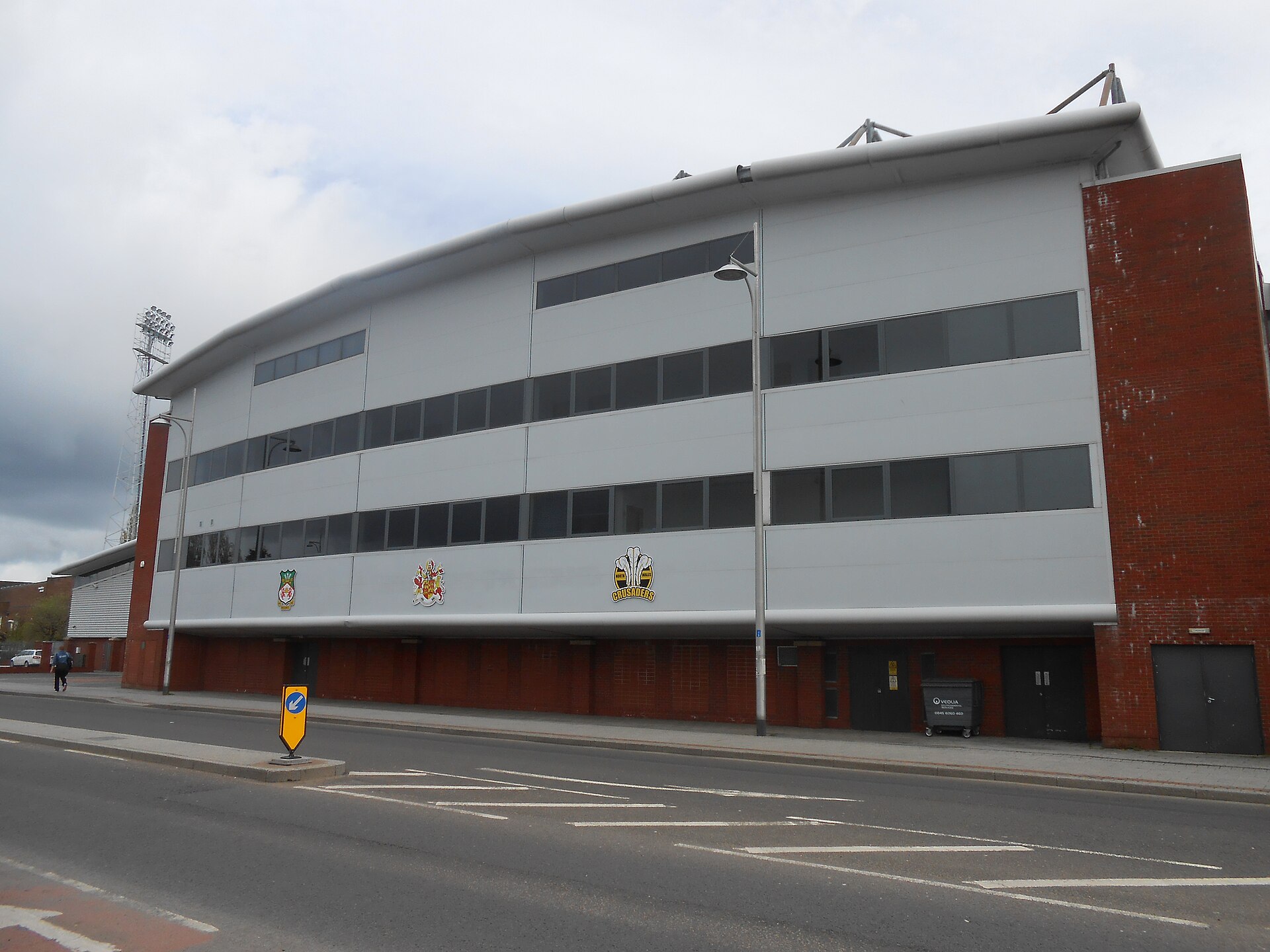
TL;DR: The Racecourse Ground in Wrexham has hosted international football since 1877 — making it the oldest international football stadium in continuous use anywhere in the world. Under Reynolds and McElhenney, it has undergone a transformation from a deteriorating but beloved relic into a modern, revenue-generating asset. The story of the Racecourse Ground is not just about Wrexham: it is a case study in how heritage assets in football are systematically undervalued at the point of acquisition and what happens when the right ownership recognises what is already there.
In 1877, Wales played Scotland at a ground in a Welsh market town. One hundred and forty-eight years later, that ground still hosts international football. The Racecourse Ground is not merely a football stadium — it is the oldest international football venue in continuous use anywhere in the world, and it now belongs to Hollywood. For anyone thinking seriously about Welsh football as an investment category, understanding what the Racecourse represents — historically, commercially, and as a physical asset — is not optional background reading. It is the foundational case study.
The Record That Stands Alone
On 5 March 1877, Wales hosted Scotland at the Racecourse Ground in Wrexham. The match ended 2-0 to Scotland. Wales lost, and nothing about that afternoon suggested that the ground where it was played would still be hosting international football nearly a century and a half later.
But it is. The Racecourse Ground holds a certification that no other venue on earth can claim: it is the oldest international football stadium still hosting international matches in the world, a record recognised by FIFA and verified by independent authorities. Wembley — the supposed home of football — was demolished and rebuilt in 2007. The original Hampden Park in Glasgow exists largely as a museum experience, its role as an active international venue diminished over decades of renovation and restructuring. Old Trafford, Anfield, and the other great English grounds were all built after the Racecourse had already hosted multiple international fixtures.
The Racecourse's record is not a technicality or a footnote. It is a genuine, unbroken thread of footballing history that stretches from the Victorian era to the present day, and it is one of the most remarkable facts in the entire sport.
Why does this matter to an investor? Because heritage in football is not sentiment — it is a structural competitive advantage. A stadium that holds a world record cannot be replicated. A club that hosts international fixtures because of its ground's historic status commands revenue that no amount of modern branding spend can manufacture. The Racecourse Ground's history is, in the strictest commercial sense, a moat.
A History in Chapters
The Racecourse Ground's story begins before the famous 1877 international. Wrexham FC — founded in 1864 and the oldest affiliated association football club in Wales — adopted the Racecourse as its home in the early years of the club's existence. The ground takes its name from the horse-racing circuit that previously occupied the site, a fact that tells you something about the scale of the land and the ambitions of the town.
The 1877 international was a consequence of the ground's already-established prominence in northern Wales. It was the obvious choice: central, sizeable by the standards of the era, and associated with the most established club in the country.
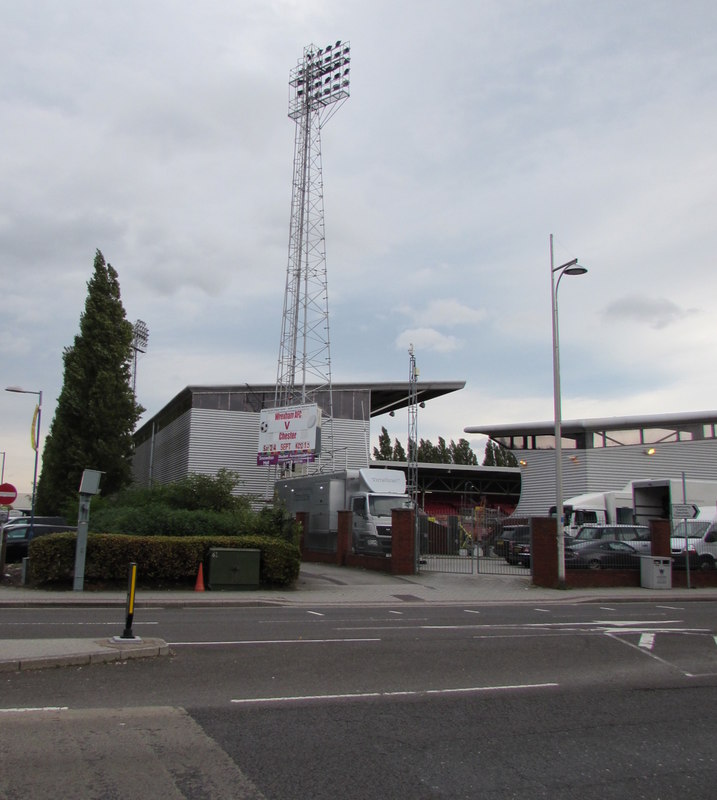
Through the late nineteenth and early twentieth centuries, the Racecourse grew into a major venue for Welsh football at all levels. It hosted FA Cup semi-finals at a time when Wrexham's geography made it a genuine neutral ground of national significance. Its capacity expanded, the terraces grew, and at its peak the ground could accommodate crowds well in excess of 28,000 — numbers that reflected a Welsh football culture far more deeply embedded in the national life than many outside the country realise.
The post-war decades brought the periods that Wrexham supporters still speak of with a particular warmth. The European Cup Winners' Cup campaigns of the 1970s and early 1980s brought continental football to Wrexham for the first time, and the Racecourse hosted matches against clubs from across Europe. The ground was adequate for these occasions, not because it was modern, but because it had a weight and atmosphere that newer stadiums took decades to acquire.
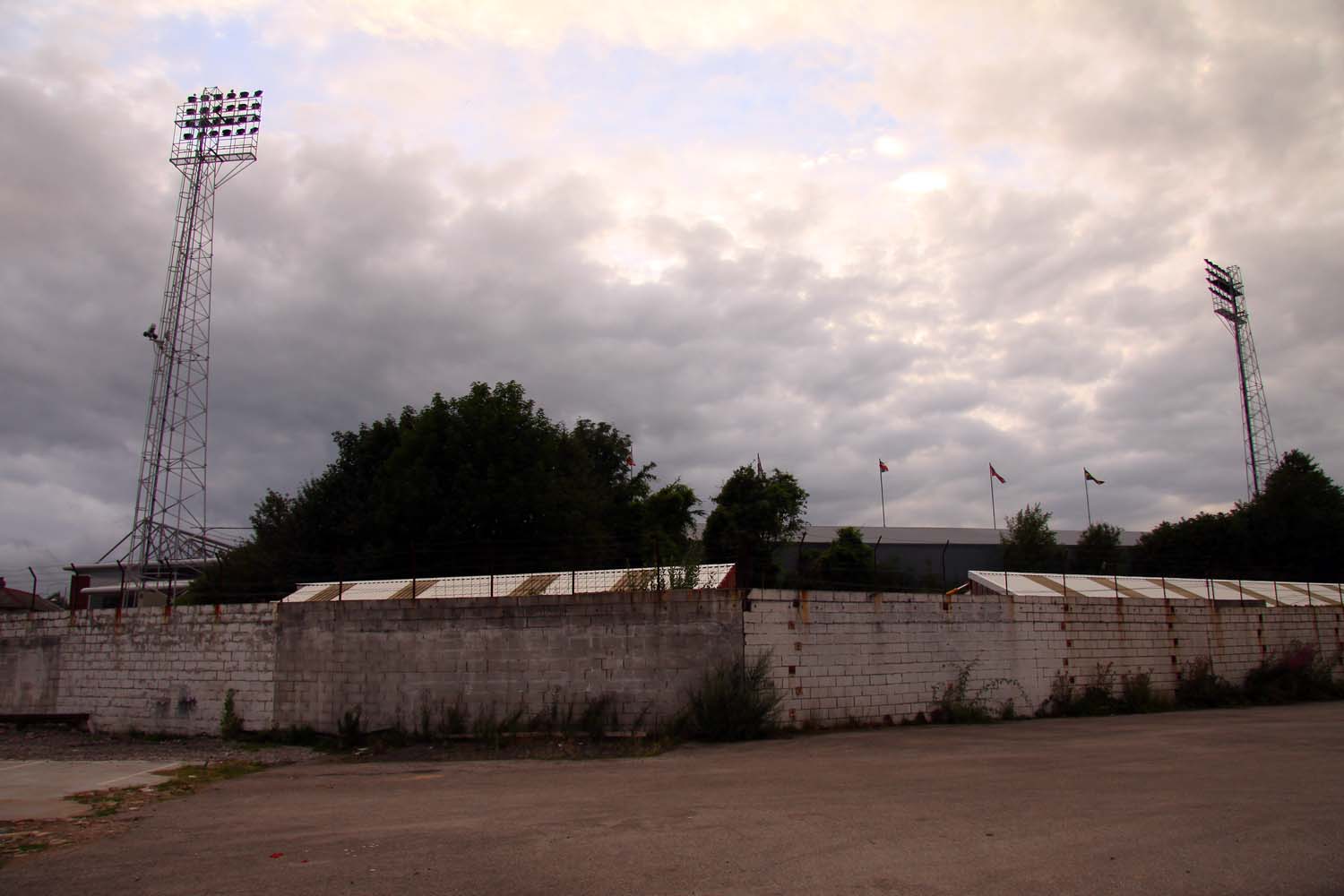
The decline, when it came, was long and painful. From the early 1990s onwards, Wrexham slipped steadily down the football pyramid — through the Football League divisions and eventually into non-league. The ground deteriorated alongside the club. Safety requirements reduced the effective capacity from its historic peaks. Stands were closed. The infrastructure aged without the revenue to maintain it. By 2011, when the Supporters Trust took ownership and essentially kept the ground alive through volunteerism and goodwill, the Racecourse was still standing — still hosting football, still occasionally hosting international matches — but it was fragile.
The Trust's decade of stewardship is often overlooked in the Reynolds and McElhenney narrative, but it matters. Without that period of community ownership, the Racecourse Ground might not have survived intact to 2021. The volunteers who maintained the pitch, repaired the stands, and kept the floodlights working preserved something genuinely irreplaceable.
What Reynolds and McElhenney Inherited
When Ryan Reynolds and Rob McElhenney completed their acquisition of Wrexham AFC in February 2021, they inherited a club with approximately 10,500 usable capacity — a fraction of what the ground had once held. The infrastructure was functional in the sense that matches could be played and watched, but it fell well short of the standards required for a Football League club, let alone the Championship aspirations that the new owners expressed from the outset.
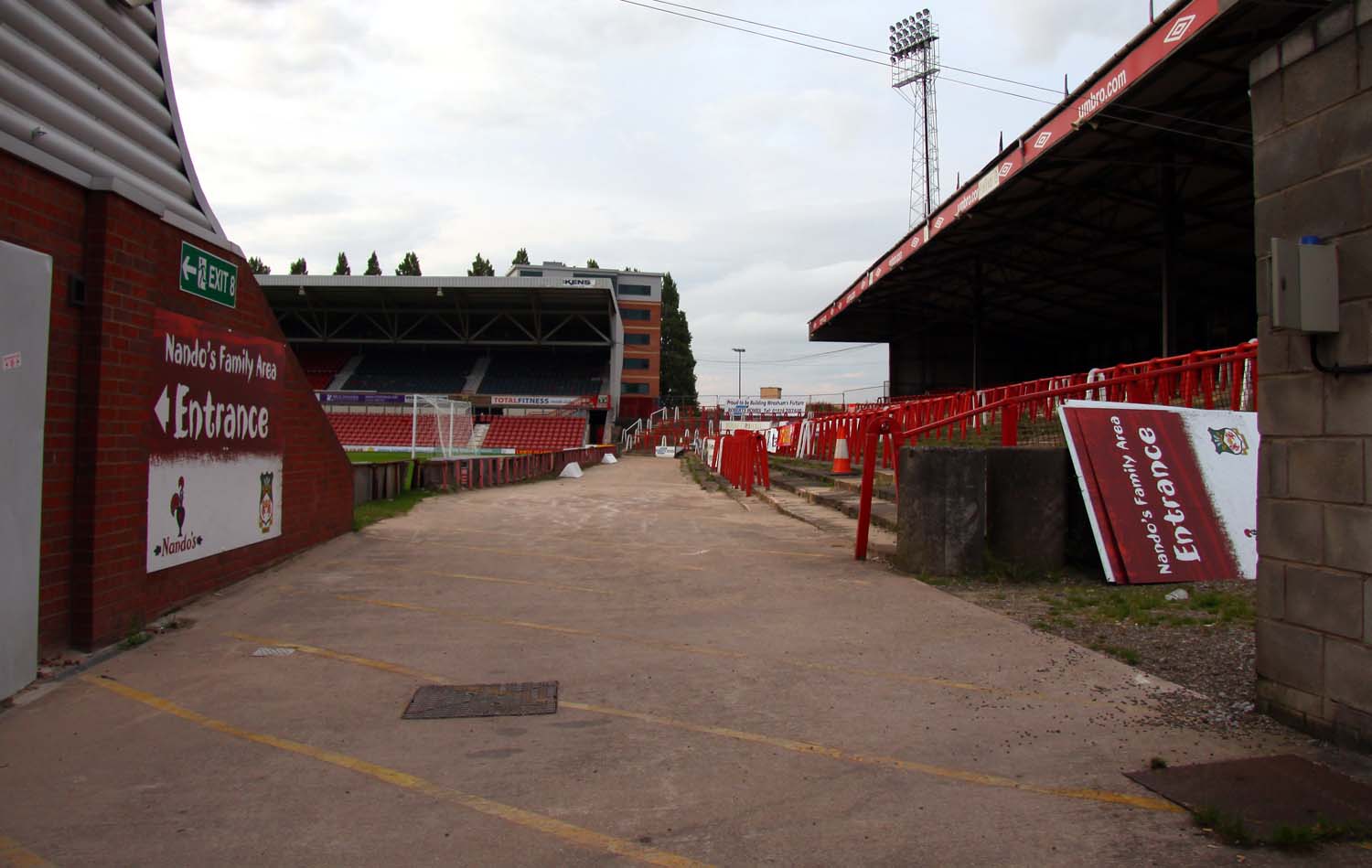
The Kop end, one of the ground's four stands, was particularly in need of investment. The broader hospitality infrastructure was limited: the corporate and premium offerings available at the Racecourse were modest compared to what modern football clubs generate from their facilities. Broadcast infrastructure, accessible facilities, and the general matchday experience all required significant work.
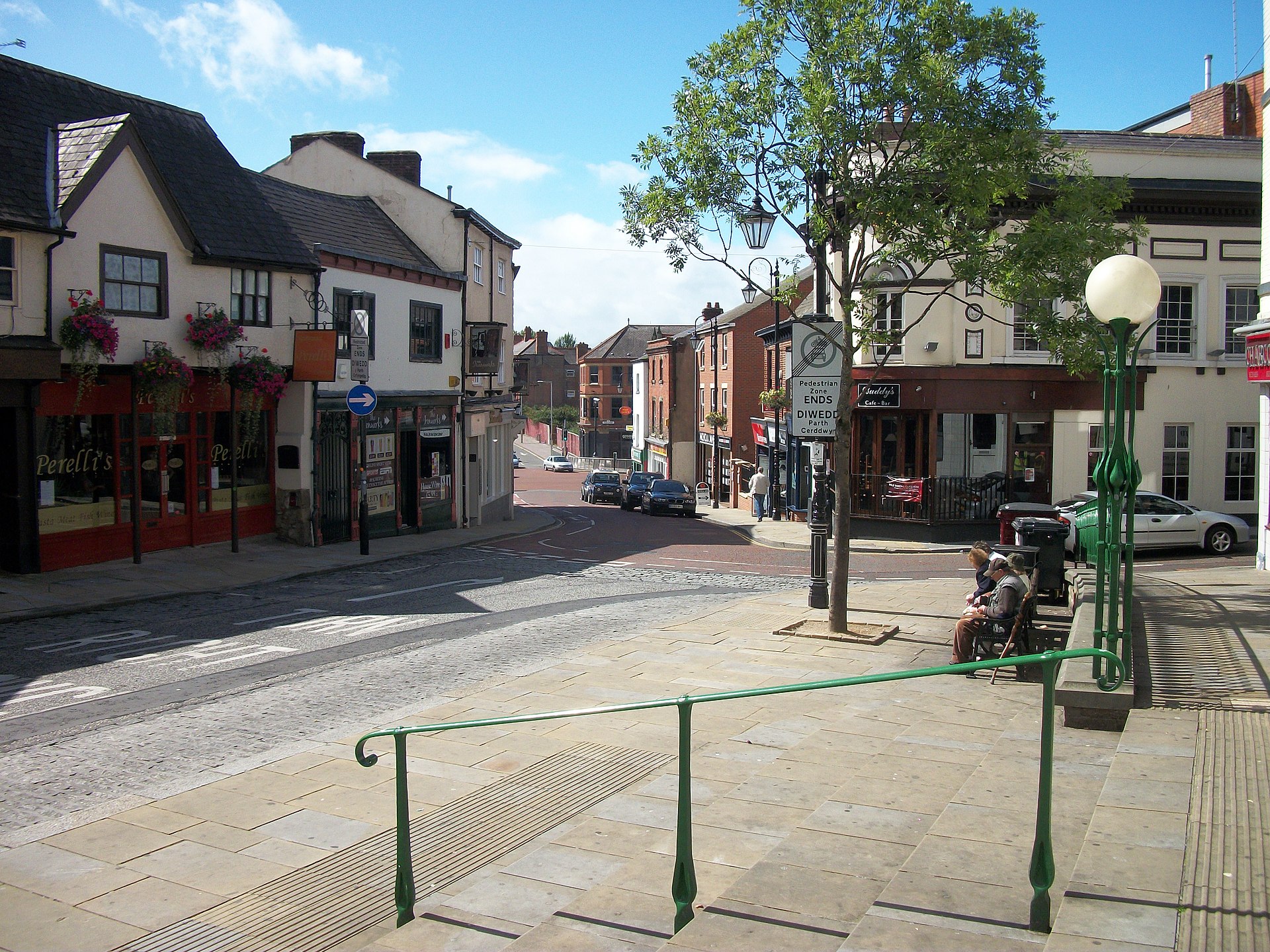
The heritage sensitivity of the ground added a layer of complexity. The Racecourse sits in the centre of Wrexham — Wrexham gained city status in 2022 as part of the Queen's Platinum Jubilee celebrations — surrounded by streets, buildings, and a planning environment that is not sympathetic to large-scale construction. Expanding a town-centre stadium is not the same as developing a greenfield site. Every structural decision carries a heritage dimension, and heritage sensitivity in construction consistently raises costs and extends timelines.
The FAW and Football League requirements were equally demanding. To meet the ground grading standards necessary for League Two and then League One football, significant investment was not optional — it was a prerequisite for continued participation. The new owners had no choice but to invest in the ground. The question was how much, and how ambitiously.
The Transformation
The headline stadium investment under Reynolds and McElhenney has been the new Kop stand, which added meaningful capacity and, crucially, brought modern facilities — accessible seating, improved concourses, better catering infrastructure — to that end of the ground. The redevelopment was not simply about adding seats; it was about creating a matchday environment that could justify premium pricing and attract the corporate investment that transforms a football club's revenue profile.
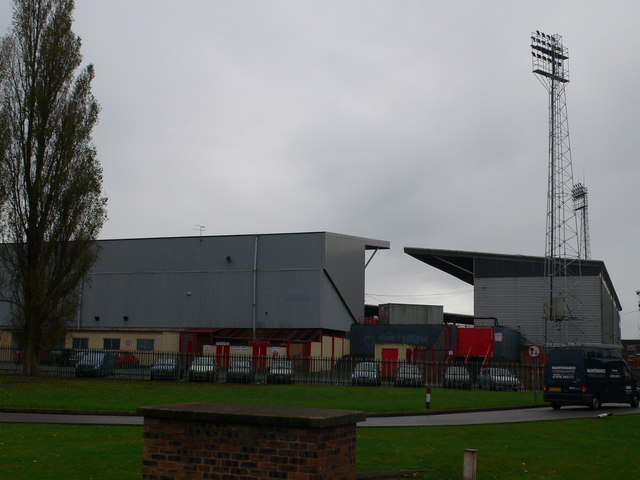
Hospitality areas across the ground have been upgraded. The Racecourse's corporate offering — which barely existed in any meaningful commercial form under previous ownership — now includes hospitality suites that sell out for high-profile fixtures. Premium pricing has been introduced and achieved: the market has confirmed that supporters and corporate clients will pay for a quality experience at a historic venue. This is not a trivial finding. It demonstrates that the demand was always there; it simply required infrastructure to unlock it.
Broadcast infrastructure has been upgraded to meet the requirements of Sky Sports and other broadcast partners, which matters because broadcast exposure creates sponsor value. A ground that cannot be broadcast easily is a ground that limits the club's commercial ceiling.
The target capacity under the current ownership plan is 15,000 seats or more, aligned with the club's projection of reaching the Championship. Achieving that figure from a 10,500 starting point requires further construction, but the trajectory is clear. The overall stadium investment committed by Reynolds and McElhenney is estimated at £8-10 million as part of a total commitment that has exceeded £10 million across the club's infrastructure, squad, and operations.
The match-day revenue transformation has been striking. When Wrexham were in the National League, the Racecourse was generating gate income in the hundreds of thousands of pounds per season. In League One, with average attendances consistently above 9,000 and premium hospitality sold out, the revenue profile is categorically different. The ground that Reynolds and McElhenney acquired for a modest sum is now generating income that reflects its actual capacity — commercial and physical — for the first time in decades.
The Stadium as an Asset Class
Here is the structural point that Welsh football investors should absorb: in English and Welsh football, stadium ownership is the single most important determinant of a club's long-term financial resilience. Clubs that own their ground freehold are building generational assets. Clubs that lease their ground from a local authority, a property company, or any other third party are permanently exposed to the risk that the terms of that lease will change.
Wrexham AFC owns the Racecourse Ground. The freehold belongs to the club. In a city with active development pressure — city status brings investment interest, and Wrexham is benefiting from regeneration funding — prime town-centre land with planning permission for sporting use is a significant balance-sheet asset. The ground's valuation has increased substantially since 2021, simply by virtue of the club's rise through the Football League and the associated improvements to the infrastructure.
The "stadium dividend" extends beyond football. The Racecourse has hosted concerts and events as the club's management has worked to generate non-matchday revenue from the asset. A stadium with 15,000 capacity in a city centre can generate meaningful income from music events, community functions, and commercial hire — income that is structurally independent of league position or form. This is exactly the kind of diversified revenue that makes a football club resilient to the inherent volatility of sporting results.
Compare this with the situation of clubs that lease their grounds from councils. Political risk is real: a change in council administration, a shift in funding priorities, or a planning decision can create existential uncertainty for a club that does not control its own home. Several Welsh football clubs are in precisely this position, and it should feature prominently in any due diligence process. Ground ownership should be a first-order question in any acquisition.
The FAW ground licensing grades amplify this dynamic. A higher-graded ground unlocks European competition eligibility, which in turn generates UEFA prize money and media rights income. Infrastructure investment is not merely about aesthetics or capacity — it is about accessing revenue streams that are unavailable to clubs that have not made the investment. The ROI calculation for stadium development should always include the licensing gate, because clearing a licensing threshold can create step-change revenue that dwarfs the construction cost. Our stadium development ROI analysis provides the detailed figures.
The Heritage Premium
The Racecourse Ground commands something that no marketing budget can buy: a price premium rooted in irreplaceable history. This premium operates across several dimensions.
International match hosting is the most tangible example. The Welsh national team's selection of venues for home internationals reflects a combination of capacity, location, and history. The Racecourse has hosted Wales national team fixtures throughout its existence, generating significant revenue for the club as host — income that flows directly from the ground's historic status and its ability to meet international staging requirements. Cardiff City Stadium handles the bulk of the nation's internationals, but the Racecourse's historic claim to international fixtures has not been extinguished.
Football tourism is a growing phenomenon, and the Racecourse is now a destination for international visitors who come specifically because of the Welcome to Wrexham documentary and the wider Wrexham story. These visitors spend money in the city, at the ground, and on merchandise — economic activity that a club in a comparable league position without the heritage premium would not generate. See our full analysis of the Wrexham town economic transformation for the broader picture.
The heritage moat is permanent. This matters because competitive moats in football are notoriously difficult to maintain. A club's league position can change. Its squad can be raided. Its sponsorship deals can expire. But a 148-year history of international football cannot be taken away, cannot be replicated, and cannot be purchased by a competitor. The Racecourse Ground is, in this sense, the most durable competitive advantage in Welsh football.
For an investor's framework, this suggests that heritage assets in Welsh football should carry a premium in acquisition pricing — but that this premium should be understood as reflecting the long-term commercial ceiling of the asset, not merely sentiment. Clubs with genuine historic significance, storied grounds, and established community roots are worth more than their current revenue would suggest, precisely because the infrastructure for monetising that heritage has often not been built yet. See also our guides on how to invest in a Welsh football club and the best Welsh stadiums and their commercial potential.
What the Racecourse Tells Every Investor
The Racecourse Ground is proof of a thesis that applies across Welsh football, not just at Wrexham. Heritage assets in this sport are systematically undervalued at the point of entry because their commercial potential has rarely been fully developed. Previous owners — whether through lack of capital, lack of vision, or simply the grinding difficulty of running a football club on limited resources — have left value unrealised.
Reynolds and McElhenney did not create the Racecourse Ground's world record. They did not create Wrexham's history, its community roots, or its status as a Welsh footballing institution. What they did was recognise what was already there, commit the capital necessary to develop it, and deploy the communications expertise — through the documentary, through social media, through deliberate storytelling — to translate latent heritage value into active commercial value.
That recognition and development gap exists at other Welsh clubs. History does not require a Hollywood acquisition to be monetised — it requires owners who understand that they are custodians of something larger than a football team, and who invest accordingly. Every Cymru Premier club has a history. Every Welsh football ground has a story. The question for investors considering the Welsh football market is whether the current ownership has given those assets the infrastructure, the investment, and the visibility they need to generate returns.
The Racecourse Ground has stood for 148 years. Its world record is intact. Its freehold is owned by a football club with serious ambitions and serious backers. And the story it tells — of heritage recognised, invested in, and returned to relevance — is the most important case study available to anyone thinking about Welsh football as a serious investment destination.
For a complete overview of the investment landscape, read our Wrexham effect guide and the broader Welsh football investment analysis.