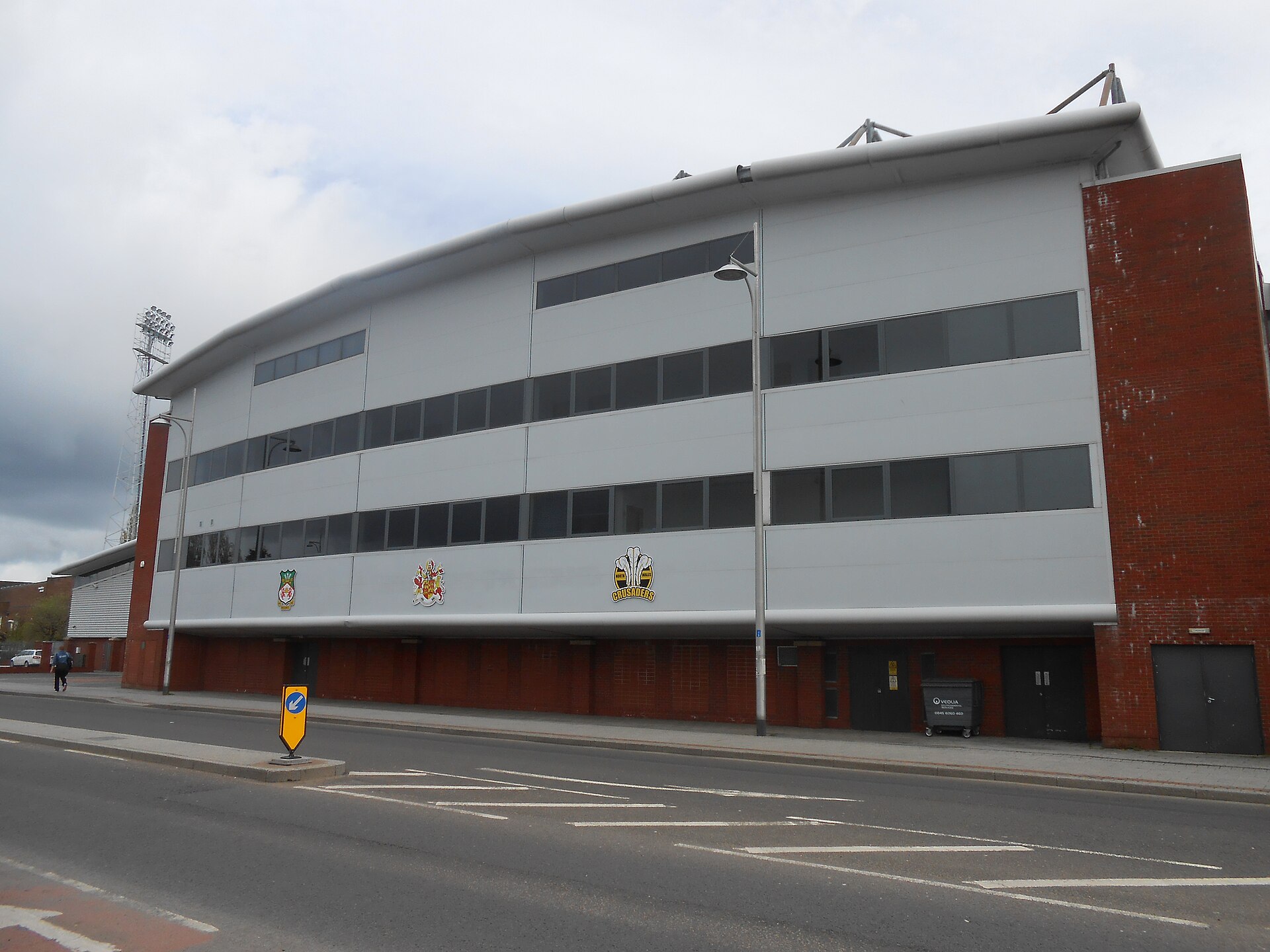

TL;DR: Futsal venue investment in Wales ranges from £15,000 for a leisure centre partnership to £300,000+ for a purpose-built facility. The leisure centre anchor-tenant model offers the strongest risk-adjusted returns (8-12% annually) with minimal capital outlay, while new-build venues require £150,000-£300,000 but offer greater long-term upside. With peak-hour venue utilisation at 85-95%, the supply gap is the most immediate investment opportunity in Welsh futsal.
Why Venue Investment Is the Key Futsal Opportunity
Futsal in Wales is growing at 25% year on year, with over 50 clubs now competing in structured leagues. But the binding constraint on growth is not participation interest — it is venue capacity. Peak-hour utilisation at futsal-suitable indoor venues sits at 85-95% across Wales, meaning clubs are turned away or forced into inconvenient time slots. For investors, this supply-demand imbalance creates a straightforward commercial thesis: build or secure the courts, and the customers are already waiting.
This analysis breaks down the three venue investment models available in Wales, their capital requirements, operating costs, revenue potential, and expected returns.
Three Venue Investment Models
Model 1: Leisure Centre Partnership (£15,000-£50,000)
Wales has over 60 local authority leisure centres, many with sports halls that sit underutilised during midweek evenings and weekday daytime hours. The partnership model secures dedicated futsal access at an existing venue through an anchor-tenant arrangement.
| Cost Component | Range | Notes |
|---|---|---|
| Flooring upgrade (portable futsal surface) | £5K-£15K | Rollout surface meeting FAW standards |
| Goal posts and equipment | £2K-£5K | FIFA-specification futsal goals, balls, bibs |
| Branding and signage | £1K-£3K | Court-side boards, club branding |
| Lease deposit and first quarter rent | £5K-£15K | Varies by authority and hours secured |
| Insurance and compliance | £2K-£5K | Public liability, venue-specific requirements |
| Total setup | £15K-£50K |
Operating costs: £10,000-£25,000 per annum (rent, utilities contribution, equipment replacement, insurance renewal).
Revenue potential: A venue securing 20 hours per week of court time can generate £30,000-£60,000 annually through league hire, casual bookings, coaching sessions, and tournament hosting.
Expected ROI: 8-12% annually after year one, with potential upside from growing demand.
This is the lowest-risk model and the one we recommend for first-time futsal investors. The capital requirement is modest, the revenue stream begins immediately (existing clubs need court time now), and the downside is limited to the lease commitment.
Model 2: Facility Conversion (£50,000-£150,000)
Converting an existing commercial or industrial property into a dedicated futsal venue. Suitable properties include warehouse units, former retail spaces, and disused community buildings with sufficient ceiling height (minimum 6 metres).
| Cost Component | Range | Notes |
|---|---|---|
| Property lease or purchase deposit | £10K-£40K | Varies significantly by location |
| Building works (floor levelling, walls, lighting) | £20K-£50K | Dependent on property condition |
| Futsal-grade flooring (permanent) | £15K-£30K | Hardwood or specialist synthetic surface |
| Goals, equipment, and furniture | £5K-£10K | Match-quality and training equipment |
| Changing rooms and facilities | £10K-£25K | Showers, toilets, accessible facilities |
| Planning permission and compliance | £3K-£8K | Building regulations, fire safety, accessibility |
| Total setup | £50K-£150K |
Operating costs: £25,000-£50,000 per annum (rent/mortgage, utilities, staffing, maintenance, insurance, business rates).
Revenue potential: A single-court dedicated venue operating 40+ hours per week can generate £60,000-£120,000 annually. Adding a second court pushes potential to £100,000-£180,000.
Expected ROI: 5-10% annually from year two onward (year one typically sub-breakeven due to build-out period and ramp-up).
Model 3: Purpose-Built Venue (£150,000-£300,000+)
New-build construction of a purpose-designed futsal facility, typically two courts with spectator seating, changing rooms, a small cafe or bar area, and meeting space.
| Cost Component | Range | Notes |
|---|---|---|
| Land lease or purchase | £20K-£60K | Brownfield or local authority sites preferred |
| Construction (steel frame, cladding, fit-out) | £80K-£150K | Two-court specification |
| FIFA-standard flooring (x2 courts) | £30K-£60K | Hardwood preferred for competition standard |
| Spectator seating (200-500 capacity) | £10K-£25K | Fixed or retractable options |
| Changing rooms, offices, cafe fit-out | £15K-£30K | Revenue-generating ancillary spaces |
| Equipment, branding, IT systems | £8K-£15K | Booking systems, CCTV, sound |
| Planning, compliance, professional fees | £10K-£20K | Architect, structural engineer, building control |
| Total setup | £150K-£300K+ |
Operating costs: £50,000-£100,000 per annum (staffing, utilities, maintenance, insurance, business rates, marketing).
Revenue potential: A well-located two-court venue with cafe and ancillary revenue can generate £150,000-£250,000 annually at mature utilisation.
Expected ROI: 5-8% annually from year three onward. Higher long-term upside through property value appreciation and growing futsal demand.
Revenue Breakdown by Activity
Futsal venues generate revenue across multiple activity streams, not just league match hire. A well-managed venue diversifies across:
| Revenue Stream | Share of Total | Annual Revenue (single court) | Notes |
|---|---|---|---|
| League match hire | 25-35% | £15K-£25K | Fixed weekly bookings, reliable income |
| Casual court hire | 20-30% | £12K-£20K | Walk-in and ad-hoc bookings |
| Coaching and academies | 15-25% | £8K-£15K | Youth development, adult coaching |
| Tournaments and events | 10-15% | £5K-£10K | Weekend tournaments, corporate events |
| Birthday parties and functions | 5-10% | £3K-£6K | Non-sporting revenue, high margin |
| Cafe/bar (if applicable) | 5-10% | £3K-£8K | Ancillary revenue, requires staffing |
The diversified model is important because it reduces dependency on any single client or activity. Venues that rely solely on league hire are vulnerable to fixture cancellations and club closures; those that build a mixed-use programme achieve more resilient cash flows.
Location Analysis: Where to Invest in Wales
Cardiff and the Vale of Glamorgan
Demand level: Very high. Three competitive futsal clubs, a university futsal programme, and the largest casual participation base in Wales. Court time is heavily oversubscribed.
Supply: Two suitable venues (Cardiff City House of Sport, Sport Wales National Centre). Both at or near capacity during peak hours.
Opportunity: Strong case for a dedicated two-court venue serving both competitive and recreational demand. Population density supports the higher-cost new-build model.
Swansea and Neath Port Talbot
Demand level: High. Swansea University's futsal programme drives competitive participation, with growing recreational demand.
Supply: University facilities dominate, with limited community access. LC Swansea leisure centre offers some capacity.
Opportunity: Partnership model with local authority venues or facility conversion in the SA1 development area.
North Wales (Wrexham, Bangor, Llandudno)
Demand level: Moderate and growing. The Wrexham effect has lifted interest in all football codes, including futsal.
Supply: Limited indoor facility stock. Deeside Leisure Centre and Bangor University sports facilities are the primary options.
Opportunity: Leisure centre partnership model, with potential for facility conversion as demand matures.
West Wales (Carmarthen, Pembrokeshire)
Demand level: Early stage. Fewer established clubs, but grassroots programmes are expanding.
Supply: Several leisure centres with underutilised sports halls.
Opportunity: Low-cost partnership model to test demand before committing to larger investment.
Flooring: The Critical Specification Decision
The single most important technical decision in futsal venue investment is flooring. FIFA and FAW standards specify particular surface characteristics for competitive futsal, and the choice between options significantly affects both cost and playing quality.
| Flooring Type | Cost (per court) | Lifespan | Suitability | Maintenance |
|---|---|---|---|---|
| Hardwood (maple/beech) | £20K-£35K | 20-25 years | FIFA preferred, best playing surface | Annual sanding and resealing |
| Synthetic sport surface | £10K-£20K | 10-15 years | FAW league approved, good quality | Regular cleaning, periodic replacement |
| Portable rollout surface | £5K-£12K | 5-8 years | FAW approved, ideal for partnerships | Storage when not in use, surface replacement |
| Existing sports hall floor | £0-£5K | Varies | Acceptable for grassroots, not competition | Depends on existing maintenance regime |
For competition-level venues, hardwood is the gold standard and the surface used in UEFA Futsal Champions League matches. For partnership and conversion models, synthetic or portable surfaces offer a practical compromise at significantly lower cost.
Funding and Grant Opportunities
Welsh futsal venue investment can draw on several public funding sources:
| Funding Body | Programme | Typical Grant | Eligibility |
|---|---|---|---|
| Sport Wales | Community Sport Facilities | £25K-£100K | Community-focused venues, match funding required |
| FAW Trust | Grassroots Facility Grants | £5K-£25K | FAW-affiliated clubs and venues |
| Welsh Government | Community Facilities Programme | £10K-£300K | Capital projects in deprived areas |
| National Lottery | Awards for All / Large Grants | £10K-£500K | Community benefit organisations |
| Local Authorities | S106/CIL funding | Varies | Linked to new housing developments |
Grant funding can reduce the equity requirement for venue investment by 30-50%, significantly improving returns. The application process typically takes 3-6 months, and projects with clear community benefit and match funding commitments are most successful.
For broader context on sports facility funding in Wales, see the Community Sports Hub Funding guide.
Financial Modelling: Five-Year Projections
The following model assumes a single-court facility conversion in a mid-sized Welsh town, with moderate demand growth assumptions:
| Year | Revenue | Operating Costs | Net Income | Cumulative Return |
|---|---|---|---|---|
| Year 1 | £45,000 | £35,000 | £10,000 | -£65,000 (post-setup) |
| Year 2 | £65,000 | £38,000 | £27,000 | -£38,000 |
| Year 3 | £80,000 | £40,000 | £40,000 | +£2,000 |
| Year 4 | £90,000 | £42,000 | £48,000 | +£50,000 |
| Year 5 | £100,000 | £45,000 | £55,000 | +£105,000 |
Setup cost assumed at £75,000 (mid-range conversion). Revenue growth assumes 15-20% annual increase in line with participation trends, tapering as the venue approaches capacity. Breakeven occurs during year three, with cumulative returns exceeding the initial investment by year five.
Risk Factors
| Risk | Probability | Mitigation |
|---|---|---|
| Participation growth slows | Low-Medium | Diversify into casual hire, events, non-futsal activities |
| Competition from new venues | Medium | Secure long-term leases, build club relationships, differentiate on quality |
| Regulatory changes (building/fire) | Low | Build to current highest standards, maintain compliance |
| Key client loss (anchor club folds) | Medium | Diversify client base across multiple clubs and activity types |
| Property market changes | Medium | Lease rather than buy for flexibility; secure long terms for stability |
Next Steps for Investors
- Assess local demand: Contact the FAW Futsal Department and local clubs to understand unmet venue demand in your target area
- Identify properties: Survey leisure centres (for partnerships) or commercial properties (for conversions) within the target geography
- Model the financials: Use the cost tables above to build a project-specific financial model
- Explore funding: Apply to Sport Wales and FAW Trust grant programmes before committing private capital
- Engage stakeholders: Local authority planning departments, FAW facility inspectors, and potential anchor-tenant clubs
For the broader futsal investment context, see the Welsh Futsal Complete Guide and the Futsal Investment Case. For sponsorship opportunities associated with futsal venues, see Futsal Sponsorship.
Sources: Cymru Connect facility cost analysis (March 2026), Sport Wales facility investment data, FAW venue inspection reports, commercial property market data (Rightmove Commercial, CoStar). Cost ranges represent 2025-26 market conditions in Wales; actual costs will vary by location, specification, and market conditions at time of investment. Financial projections are illustrative and should not be relied upon as forecasts. Data compiled by Cymru Connect Research, March 2026.