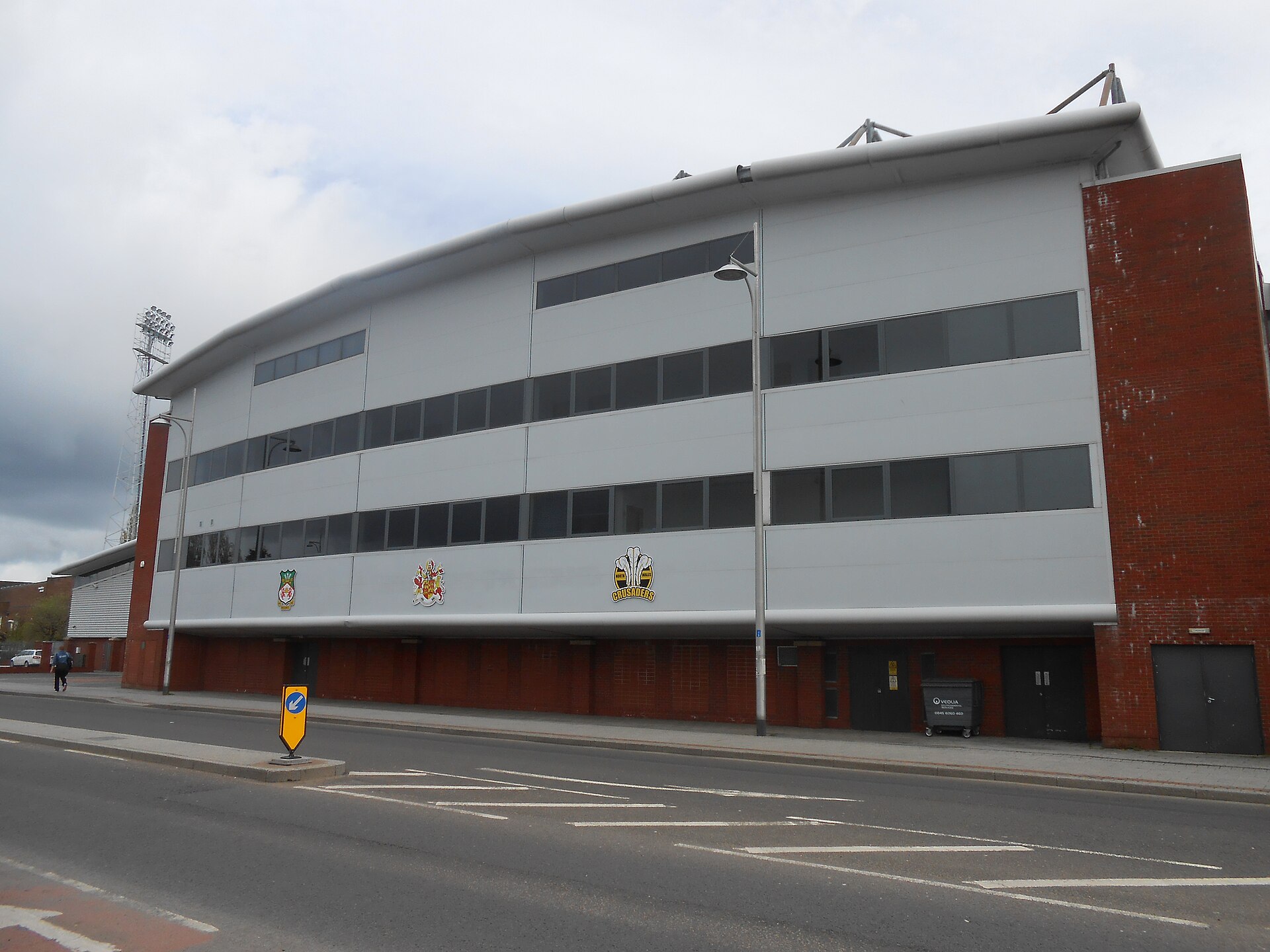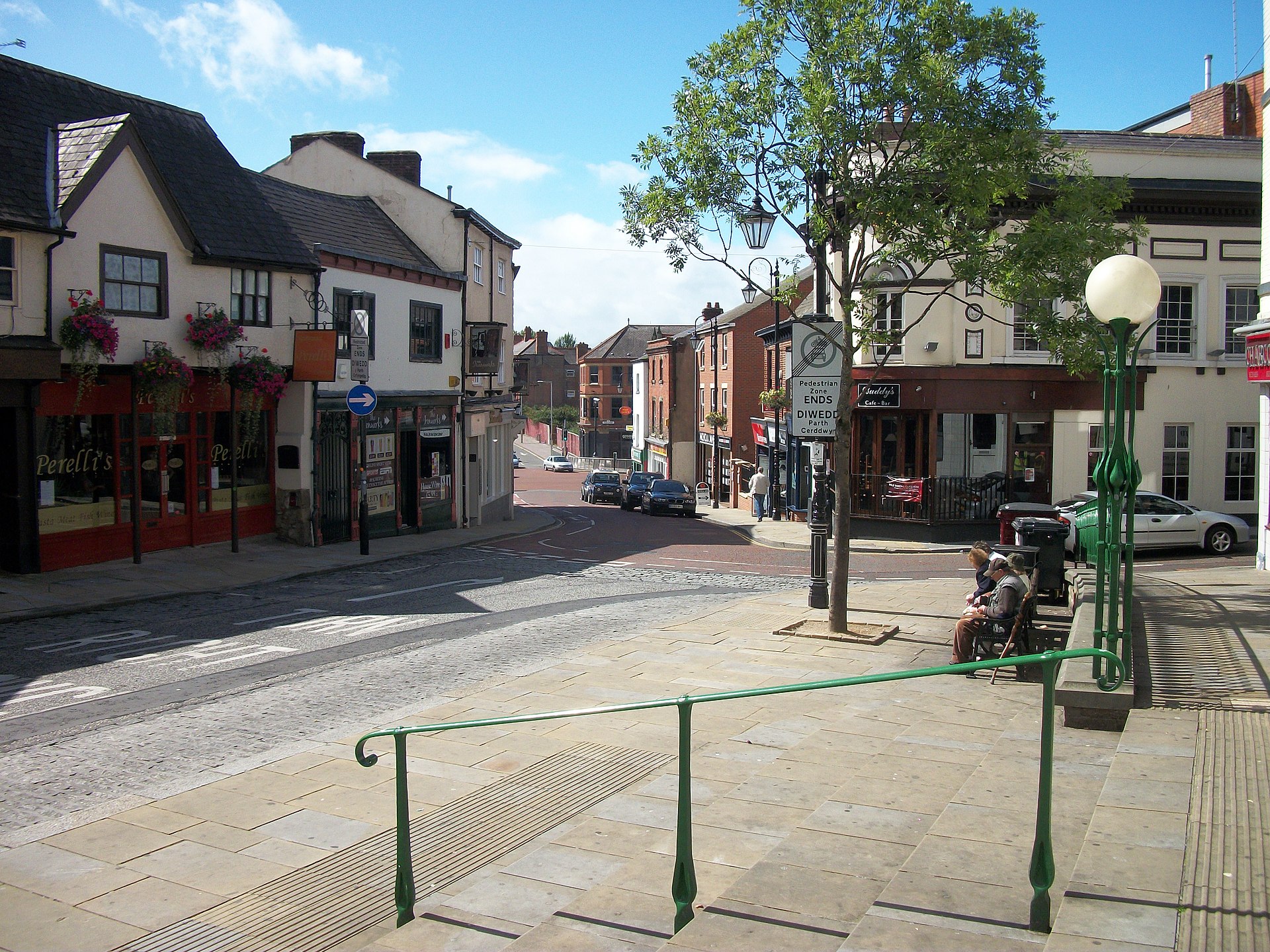
TL;DR: The Wrexham window opened in 2020. Six years on, the halo effect is real, the data is compelling, and the attention of international investors has arrived in Welsh football — but most of the best opportunities have not yet been priced in. Five clubs — The New Saints, Connah's Quay Nomads, Flint Town United, Haverfordwest County, and Cardiff City Women — each represent a distinct version of the same core thesis: undervalued sporting assets in a market that is structurally undergoing revaluation. The investors who move in 2026 will look, in five years, like the people who bought Wrexham in 2020.
Every gold rush has its early adopters who get rich, and its late arrivals who miss the moment. In Welsh football, the Wrexham window opened in 2020. Ryan Reynolds and Rob McElhenney did not merely buy a football club — they bought a story, and they told it to the world. The Disney+ documentary Welcome to Wrexham delivered Welsh football into the living rooms of a hundred countries, and the attention that followed has revalued an entire football pyramid. Sponsorship enquiries are up. Attendance is up. The FAW reports unprecedented international interest in Cymru Premier licensing. The clubs who benefit from the next wave of investment attention will be chosen now, in 2026 — before the prices adjust. Here are the five best positioned.
What Makes a Club "The Next Wrexham"?
Before naming names, it is worth being precise about what made the Wrexham story possible. The Reynolds–McElhenney acquisition succeeded not because Wrexham was exceptional, but because it was the right combination of factors arriving at the right moment. Those factors are identifiable, and they are replicable — which is the entire basis of this analysis.
1. A genuine, emotionally resonant community story. Wrexham is Wales's oldest professional club. It is a working-class town with a deep football identity that was, by 2020, in a state of managed decline. The emotional raw material was already there. Investors did not manufacture the story; they amplified one that already existed.
2. Historic identity. Age and heritage matter enormously to the media narrative. Wrexham was founded in 1864. The club has FA Cup history, European history, and a fanbase that remembers better times. That intergenerational loyalty — the grandparent who took the grandchild to their first game — is not something you can create from scratch. It either exists or it does not.
3. Geographic catchment with growth potential. Wrexham sits at the junction of North Wales and the English Midlands, drawing on a population that includes Cheshire, Shropshire, and Deeside as well as the Welsh valleys. Cross-border catchments are commercially valuable in ways that isolated rural clubs are not.
4. A ground that can be upgraded. The Racecourse Ground had existing capacity and character, and it needed investment, not demolition. A club with a stadium that can be sympathetically developed — expanded, improved, given premium hospitality — is far more investable than one that would require building from scratch.
5. Current underperformance versus latent potential. This is the most important factor of all. The gap between what a club is and what it could be is where the investment return lives. Wrexham was an EFL club that had slipped to the National League. The gap between its infrastructure, heritage, and catchment and its actual on-pitch level was enormous. Closing that gap was the investment thesis.
Apply these five criteria systematically across Welsh football in 2026, and five clubs emerge as genuinely compelling opportunities.
Club 1: The New Saints — The Benchmark That Could Go Global
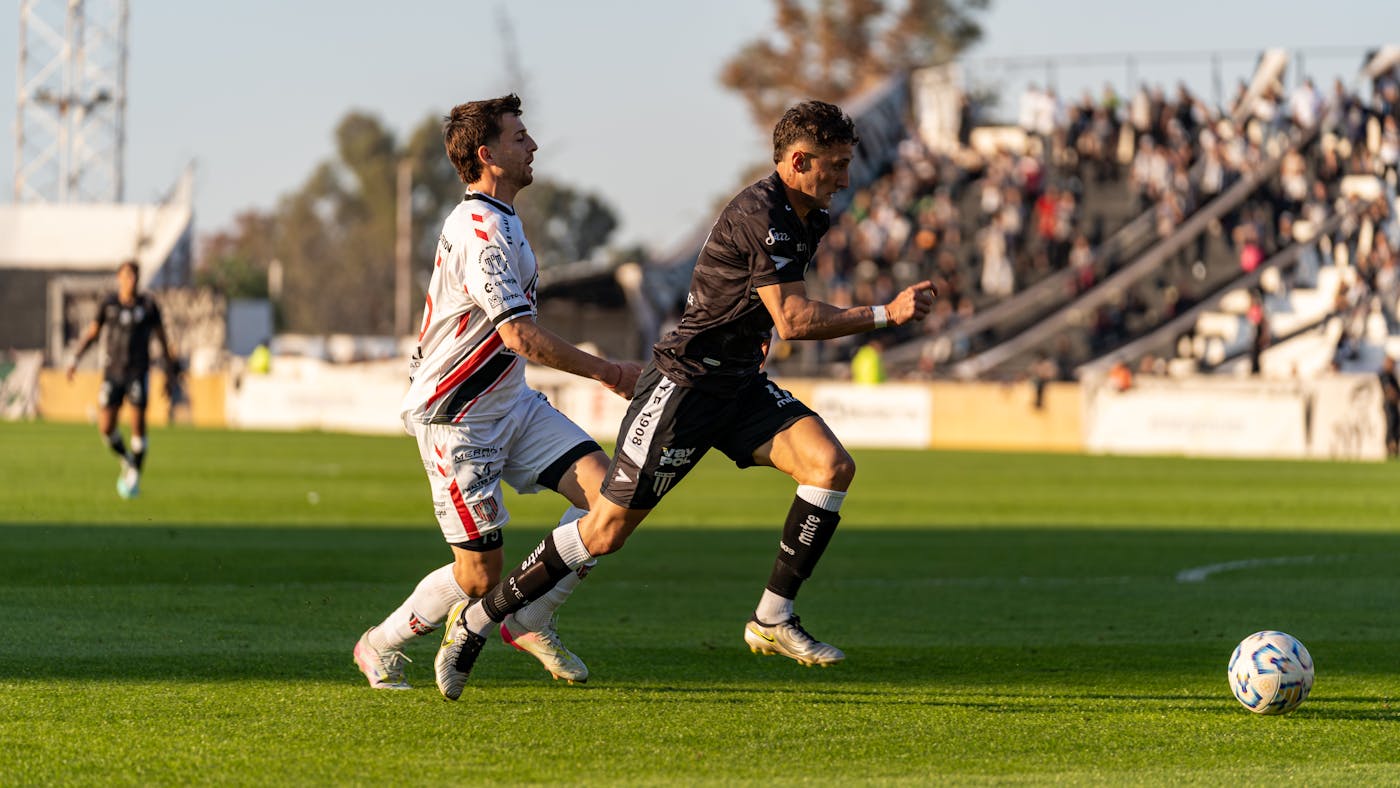
The New Saints are the most professionally run football club in Wales. That is not a contested claim — it is a statistical fact, visible in every metric the club publishes and in every competition it enters. Fifteen or more consecutive Cymru Premier titles. Revenue of £3.2 million, the highest figure in Welsh domestic football. A squad valued at £2.5 million on Transfermarkt. Park Hall stadium, with a UEFA-licensed 3G pitch. Regular appearances in the Champions League and Europa League qualifying rounds, generating prize money in the range of £500,000 to £1 million in a competitive European campaign.
TNS is, in football terms, the anomaly that disproves the assumption that Welsh football cannot be run professionally. The club has built a sustainable model — youth development feeding the first team, commercial revenue supplementing prize money, European exposure driving brand recognition — in a market where most of its rivals operate on budgets one-tenth the size.
The investment case: TNS does not need a new football operation. It needs a media and brand layer. The infrastructure is there. The European platform is there. What is missing is the storytelling architecture that transforms a dominant domestic club into a recognisable global brand. Reynolds and McElhenney understood this about Wrexham: the club was not the product, the story of the club was the product. TNS has a story — fifteen titles, European nights, a club that has turned the Cymru Premier into its personal fiefdom — but that story is being told almost exclusively to Welsh football enthusiasts rather than to the global sports media audience that is now actively searching for the next Welsh football narrative.
The geographic complication is real. Oswestry, where TNS plays its home games, straddles the English-Welsh border in a way that complicates the "Welsh club" identity essential to the media narrative. This is a challenge, not a disqualifier — and it is, in practical terms, a commercial advantage, since the club draws a catchment that extends into Shropshire and the West Midlands.
What is needed: a committed ownership group willing to invest in digital content strategy, commercial partnership development, and the kind of sustained media storytelling that turns sports performance into cultural moments. The football is already there. The platform is already there. The investment required to add the missing layer sits in the range of £500,000 to £2 million — exceptionally modest for a club with TNS's European profile.
The upside: with the right ownership narrative and a disciplined content strategy, TNS could become the first Cymru Premier club to attract global sponsorship. The club's consistent European qualification means guaranteed continental visibility every summer. That is a commercial asset that no other Welsh club can offer, and it is currently dramatically under-monetised.
Investment required: £500K–£2M | View club profile: The New Saints
Club 2: Connah's Quay Nomads — North Wales's Best-Kept Secret
There is a compelling media story that has not yet been written, and it goes like this: while Hollywood descended on Wrexham, twelve miles up the road in Deeside, a two-time Cymru Premier champion was quietly building one of the most competitive squads in Welsh football, playing in front of a fraction of the crowd it deserves, and waiting for the moment when someone with vision and capital notices what they are looking at.
That story is Connah's Quay Nomads. Two Welsh Premier League titles. A revenue base of £1.8 million, placing them firmly in the second tier of Welsh football by financial resource. Deeside Stadium, situated on the border between North Wales and north-west England, in a location that makes commercial partnerships in both markets genuinely accessible. Competitive European campaigns that demonstrate the club is not merely a domestic also-ran.
The investment case: The narrative tension is the first thing. Connah's Quay sits in the shadow of the most talked-about football club story in the world. "The club next door to Hollywood" is not a tagline that requires invention — it is literally the geographical truth. The underdog positioning, the proximity to the global media machine that has made Wrexham famous, the specific North Wales working-class identity of Deeside — these are the ingredients of a media story that writes itself, provided someone is willing to back it.
The cross-border location at Deeside is a commercial opportunity that has not been properly exploited. North-west England — Greater Manchester, Liverpool, Chester — represents one of the most sports-obsessed regions in Britain. Connah's Quay is accessible to that audience in a way that clubs deep in the Welsh interior are not. A commercial strategy built around cross-border partnerships, with hospitality and sponsorship marketed simultaneously in both Wales and England, would be a genuine differentiation.
The squad is young and hungry. The fanbase is loyal if understandably modest in scale. The stadium has development potential — expanding Deeside Stadium's capacity is not a theoretical exercise but a practical possibility on a site with room to grow. And the North Wales derby with Wrexham, if both clubs continue on upward trajectories, would be one of the most marketable fixtures in the domestic Welsh calendar: the Hollywood club against the upstart from next door.
What is needed: ground development to create genuine matchday atmosphere and hospitality capacity, a commercial strategy to exploit the cross-border catchment, and the kind of media investment that turns competitive football results into a narrative people outside Deeside want to follow.
Investment required: £750K–£1.5M | View club profile: Connah's Quay Nomads
Club 3: Flint Town United — The Town That Time Forgot

If the Wrexham template is a blueprint — small industrial town, proud heritage, forgotten by football's commercial mainstream, crying out for someone to show up and take it seriously — then Flint Town United is the club that template fits most precisely.
Flint is a North Wales town with deep industrial history: copper smelting, chemical manufacturing, the tidal estuary of the Dee defining its landscape and its identity. It has a castle — the oldest stone castle in Wales, built in 1277, the first of Edward I's Iron Ring of fortifications — that is one of the most visually dramatic medieval ruins in Britain. It has a football club that has been part of the community for well over a century. And it has, at present, a mid-table position in the Cymru Premier and an infrastructure profile that reflects decades of modest means rather than genuine ambition.
The investment case: The Wrexham comparison is not impressionistic — it is structural. Wrexham worked because the gap between what the club was and what it could be was enormous. That gap exists at Flint in its purest form. The club's revenue base is modest. Cae-y-Castell stadium is functional rather than impressive. There is no commercial operation to speak of. The digital presence is minimal. And yet the community story is rich, the heritage is vivid, and the location — within easy reach of Chester, Liverpool, and the Deeside industrial corridor — provides a catchment that a professionally managed club could genuinely exploit.
The heritage marketing angle alone is remarkable. A football club in the shadow of Wales's oldest stone castle, in a town that has been continuously inhabited since the Iron Age, with an industrial story that connects working-class Wales to the broader narrative of British manufacturing history — this is not a backdrop, it is a brand. The Wrexham story is partly about place. Flint has as strong a sense of place as any club in Welsh football.
The entry cost is what sets Flint apart from TNS and Connah's Quay. North Wales property values remain relatively affordable, meaning that the broader economic impact of a properly managed, ambitious football club — regeneration, hospitality, tourism, commercial activity — can be delivered at a fraction of the cost that a similar exercise would require in urban England. The investment required to make a material difference at Flint — full professional management structure, 3G pitch installation at Cae-y-Castell, media strategy, commercial partnerships — sits in the range of £300,000 to £800,000. For investors who want the authentic Welsh football grassroots story, and who are prepared to do the work of building rather than acquiring, Flint Town United is the most compelling opportunity in Welsh football.
Investment required: £300K–£800K | Entry cost: the lowest of any Cymru Premier club with this story potential.
Club 4: Haverfordwest County — West Wales's Hidden Champion
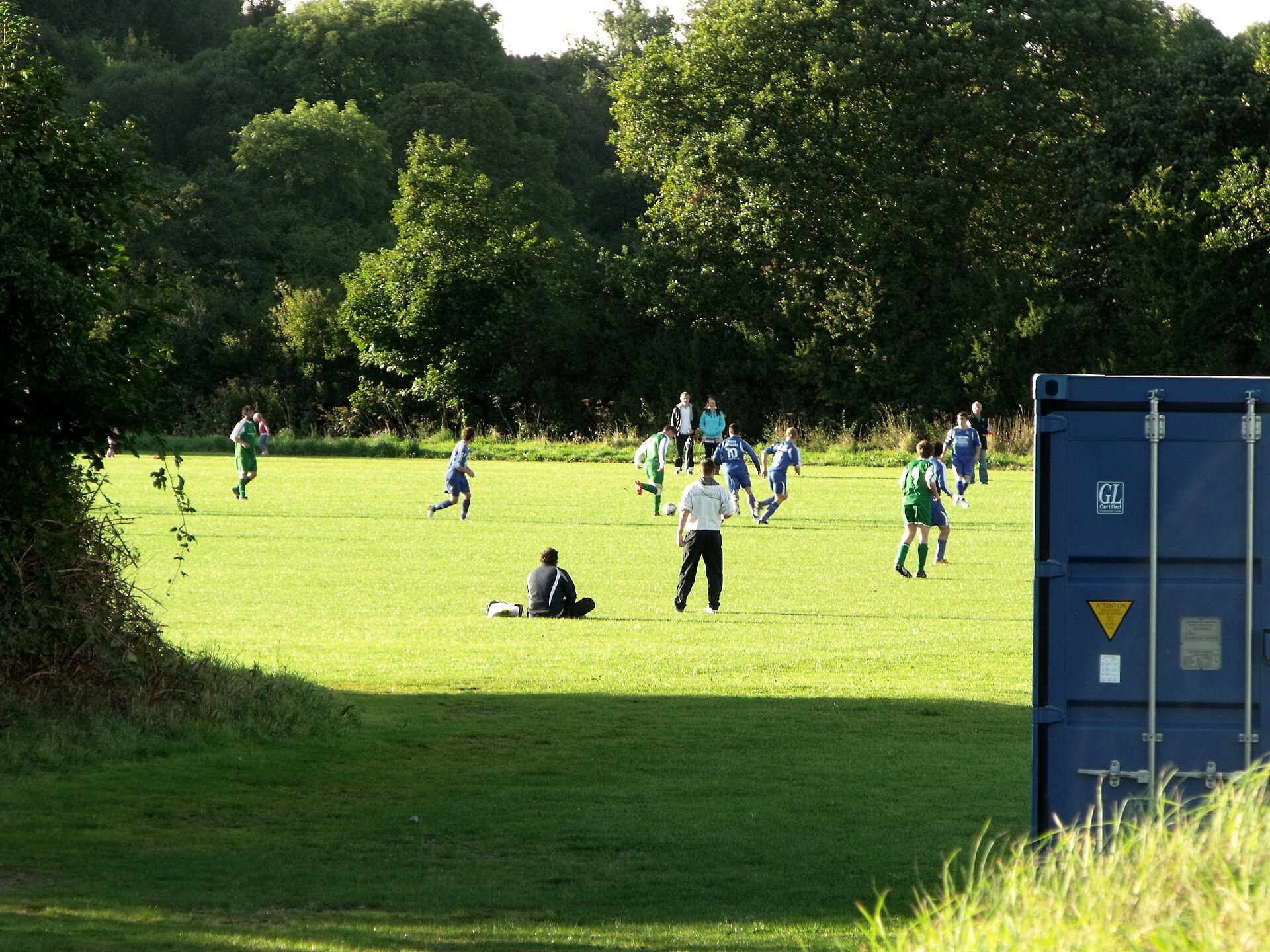
Every major Welsh football investment thesis to date has been focused on North Wales. The Wrexham effect is a North Wales phenomenon. The TNS story is a North/Mid Wales story. Connah's Quay and Flint are North Wales clubs. This creates, for investors willing to look south and west, a structural opportunity: a well-run, infrastructure-ready club in a region with exceptional commercial potential, that has not yet attracted the attention its fundamentals deserve.
That club is Haverfordwest County. An established Cymru Premier presence with revenue of £1.4 million. Bridgeway Stadium, equipped with a 4G artificial pitch that is arguably the best artificial playing surface in Welsh football outside Park Hall. FAW licensing standards already met. A women's section that is developing alongside the men's team. And a location that no other Welsh football club can claim: the service town for Pembrokeshire, Wales's most visited county.
The investment case: Pembrokeshire receives over five million visitor nights per year. It is Wales's premier holiday destination, drawing visitors from across Britain and increasingly from mainland Europe. Haverfordwest is the commercial and administrative hub for this activity — the market town that Pembrokeshire revolves around, with direct access to Milford Haven, Tenby, St Davids, and the Pembrokeshire Coast National Park. This is not a rural football club in a declining post-industrial town. This is a football club in the gateway town to one of the most economically active tourism regions in Wales.
The commercial implications of this positioning are significant and largely unexplored. A properly resourced Haverfordwest County could position itself as the investment portal for West Wales — partnering with tourism businesses, coastal and outdoor leisure brands, and the broader Pembrokeshire commercial ecosystem in ways that are simply not available to any other Cymru Premier club. The surf culture of the Pembrokeshire coast, the natural beauty narrative, the sustainable and outdoor lifestyle positioning that resonates with modern sponsorship categories — these are not niche interests but mainstream commercial opportunities.
The infrastructure is already there. The stadium is already there. The licensing is already there. What Haverfordwest needs is a commercial strategy that matches its geography, and a brand-building investment that connects the club's identity to the Pembrokeshire story that already attracts global attention.
Investment required: £400K–£1M | View club profile: Haverfordwest County
Club 5: Cardiff City Women — The Women's Market Opportunity
The four clubs profiled above are men's clubs in the Cymru Premier. The fifth opportunity is structurally different — and in some respects more compelling than any of them.
Welsh women's football is growing at 15 per cent or more per year. The FAW is actively promoting women's football investment. S4C and BBC Wales are expanding their coverage of the women's game. Participation rates are rising, driven by a generation of girls who grew up watching the Welsh national women's team qualify for major tournaments and who are now looking for clubs that match their ambition. The structural conditions for a Wrexham-style transformation in Welsh women's football are in place — and the window is open now, before the category becomes fully priced in.
Cardiff City Women are the most compelling entry point. The largest city in Wales. An existing connection to Cardiff City FC's infrastructure, supporter base, and commercial relationships. A presence in the Adran Premier, the top tier of Welsh women's football. And a cost of entry that is a fraction of what any Cymru Premier men's club would require.
The investment case: The Wrexham effect has a precedent in women's football that is more recent and more relevant than most investors appreciate. The WSL's explosion in commercial value over the past decade — broadcast deals, record attendances, global sponsorship — was driven by a relatively small number of early-mover clubs that built genuine brands before the category became competitive. Welsh women's football is at an earlier stage of the same cycle. The clubs that invest now — in professional coaching structures, media content, commercial partnerships, and supporter experience — will be the equivalents of the early WSL adopters who are now sitting on transformationally valuable assets.
Cardiff City Women has the building blocks: a city of 370,000 people, an established parent club with brand recognition, a growing domestic fanbase, and a national women's football ecosystem that is receiving unprecedented institutional support. The investment required to make a material difference — to turn Cardiff City Women into a genuine flagship for Welsh women's football — sits between £150,000 and £500,000. That is a figure at which serious impact is achievable, and at which the risk profile, relative to the potential upside, is lower than any other opportunity in this analysis.
The timing argument is simple. WSL-ification — the process by which the leading clubs in women's football absorb the commercial momentum and leave the rest behind — will eventually reach Welsh women's football. It has not happened yet. The investors who arrive before it does will look, in ten years, like those who understood something the market had not yet priced.
Investment required: £150K–£500K | View club profile: Cardiff City Women
The Investment Comparison Table
| Club | Entry Cost | 5-Year Upside | Story Strength | Infrastructure | Risk |
|---|---|---|---|---|---|
| TNS | £2M–£5M | £10M+ | ★★★☆☆ | ★★★★★ | Low |
| Connah's Quay | £1M–£2M | £5M+ | ★★★★☆ | ★★★★☆ | Medium |
| Flint Town | £300K–£800K | £3M+ | ★★★★★ | ★★★☆☆ | Medium-High |
| Haverfordwest | £500K–£1M | £4M+ | ★★★★☆ | ★★★★☆ | Medium |
| Cardiff City Women | £150K–£500K | £2M+ | ★★★☆☆ | ★★★☆☆ | Low-Medium |
The table above is a framework for comparison, not a definitive valuation. Entry costs will vary significantly depending on the deal structure — whether ownership is acquired outright, whether a majority stake is taken, or whether the investment is structured as a commercial partnership or development loan. Upside projections are based on comparable trajectories in the nearest analogous markets: the Wrexham model itself, the early WSL growth clubs, and smaller-nation football markets in Iceland, Ireland, and the Faroe Islands, all of which have seen significant commercial revaluation over comparable timeframes.
The risk ratings reflect the operational complexity of the investment, not the commercial potential. TNS is rated low risk because the infrastructure is already professional-grade and the operational model is proven. Flint Town is rated medium-high risk because the transformation required is more substantial — but it is also the club where the gap between current state and potential is largest, and therefore where the return on successful execution would be most pronounced.
How to Move Forward
The investment window in Welsh football is open. The Wrexham halo is real and measurable. International investors are arriving. But the market has not yet fully adjusted — the clubs profiled here are not yet priced as the assets they could become, and the due diligence process for a serious evaluation of any of them remains accessible to investors who move with purpose in 2026.
A serious acquisition or partnership process for any of the clubs above would involve six to eight weeks of structured due diligence: financial review, ground inspection, community engagement assessment, licensing and regulatory review, and commercial opportunity mapping. The FAW's licensing and registration requirements are not onerous for a well-advised investor, and the organisation has demonstrated a clear appetite for encouraging the kind of professional investment that raises standards across the pyramid.
The first step is simpler than you might expect: explore the club profiles on this site, identify the story that matches your investment thesis, and begin the conversation. The clubs in this analysis are not secrets — they are opportunities that have not yet been widely noticed. That will not be the case indefinitely.
Further reading: